
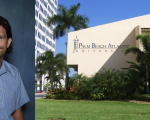
‘Woke Wars’ Infiltrate Christian Colleges, Prof Under Fire for Racial Justice Unit
An English professor at a private Christian university in Florida has been accused of “indoctrinating students.” Samuel Joeckel, who has taught at the university for over 20 years, reports that his contract renewal is being delayed while his lessons on racial justice are reviewed.
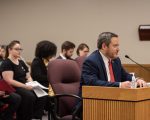
Debate Over Allowing Missouri Campus Groups to Limit Membership Focuses on Discrimination
A Missouri bill that would allow religious and other "belief-based" organizations to refuse membership to certain students raised concerns Wednesday evening that it could open the door to discrimination on college campuses, especially against LGBTQ students.

How Far Must Employers Go To Accommodate Workers’ Time Off for Worship? The Supreme Court Will Weigh In
Professor Charles J. Russo explores the context surrounding a U.S. Supreme Court case that will soon address the extent to which employers must make “reasonable accommodations” for the religious beliefs and practices of employees. What exactly that means has been unclear for decades.
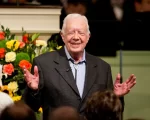
A Leader, For a Change
With the announcement on Saturday that the 98-year-old Jimmy Carter would enter hospice care at home, this issue of A Public Witness reflects on the moral exemplar he offered not only after his presidency but also during his underappreciated time in the Oval Office.
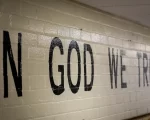
Putting ‘God’ in Schools
This issue of A Public Witness offers a quick class on the history of our national motto “In God We Trust” and recent Christian Nationalistic efforts to display it in public schools before considering the elementary flaw with such legislation.
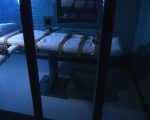
Religious Leaders Fight Bill to Reinstate Iowa Death Penalty
Religious leaders with the Iowa Catholic Conference, Episcopal Diocese of Iowa, Interfaith Alliance of Iowa, and United Church of Christ of Iowa, argued the death penalty is immoral in all circumstances and underlined that we can deter and prevent horrific crimes without ending a person’s life.
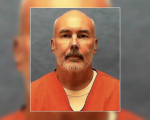
Latino Evangelicals Launch Campaign Against Florida Execution of Donald David Dillbeck
Latino Christian leaders, as part of their faith-led effort dubbed “Evangélicos for Justice,” are urging Florida Gov. Ron DeSantis — who signed Dillbeck’s death warrant on Jan. 23 — to consider his disability and to offer him clemency.
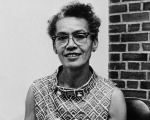
Trailblazing Episcopal Priest Pauli Murray To Be Featured on US Quarters
The first Black woman to be ordained in the Episcopal Church, who was also a trailblazing lawyer, civil rights activist, and writer, will be honored on the U.S. quarter next year. Pauli Murray has been chosen as one of five honorees for the American Women Quarters Program.
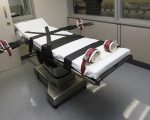
Denying Religious Freedom During an Execution
This issue of A Public Witness explores how Leonard “Raheem” Taylor was killed without a spiritual advisor at his side, the U.S. Supreme Court’s recent record of requiring states to allow clergy in the death chamber, and the advocates who were pushing Missouri’s leaders to do better on Tuesday.
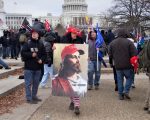
Poll: A Third of Americans Are Christian Nationalists and Most Are White Evangelicals
A new Public Religion Research Institute and the Brookings Institution survey finds that 10% of Americans are avowed Christian nationalists and an additional 19% are sympathetic to its ideals. Among both groups combined, nearly two-thirds are white evangelicals.