

Sign up to receive full essays in your inbox!

Featured
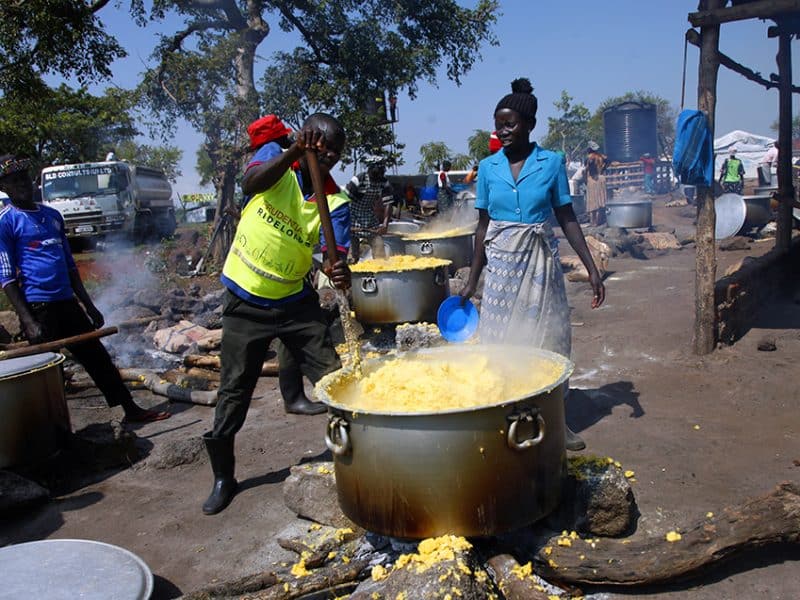
120 Christian Leaders Urge Trump Administration Not to Withhold $1B in Global Health Funds
The group, which included a religious adviser to Trump, sent a letter to Trump officials — an unusual instance of evangelical leaders urging the administration to change course.
The Rise of the Jim Crow Theobros
A group of Reformed pastors and influencers has wedded old-school segregationist theology with the hypermasculinity of the manosphere and the savvy of the attention economy to preach and sell White supremacy, antisemitism, and patriarchy to angry young men. Its audience is small but growing, and their movement has ties to powerful religious and political figures.
An Act Against One Church Is An Act Against All
This issue of A Public Witness looks at how some Republican politicians are attacking the faith of mainline Christians and how United Methodists are pushing back against the bigotry.
Church
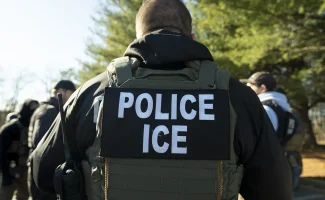
Empty Pews and Fear of ICE on Maryland’s Eastern Shore After TPS Ends for Haitians
Like other Haitians losing protection, they face an agonizing choice: try to stay in the U.S. and find underground work, constantly fearful of being caught by ICE. Or return to a nation so overwhelmed by gang violence and poverty that deportation is tantamount to a death sentence.
Thou Shalt Not … Amend the State Constitution?
This issue of A Public Witness takes you inside a hyperpartisan church for a taste of how the gospel of Jesus is being supplanted by an imperial lust for political power.
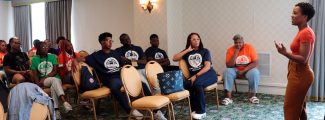
Progressive National Baptist Young People See Signs of Welcome but Seek Less Judgment
‘I feel like also seasoned adults complain about what we're wearing,’ said one teen about her historically Black denomination.
Nation
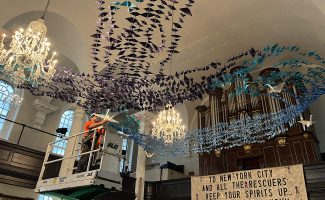
A Chapel Near Ground Zero Was a Relief Center After 9/11. Now, an Exhibit Honors Its Victims.
A new origami installation strings 2,977 paper cranes: one for each person killed in the attacks. The 'Ever Present' exhibition also features artifacts left there in the months after 9/11.

One Year After Charlie Kirk’s Death, Can Faith Hold Turning Point Together?
Religious language wasn’t always a mainstay of Turning Point. When Charlie Kirk first founded the organization in 2012, it focused on fiscal responsibility, free markets, and limited government.
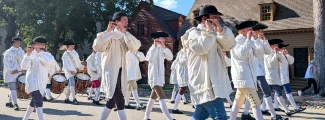
Celebrating Religious Liberty at Colonial Williamsburg
This issue of A Public Witness takes you inside a recent conference that celebrated America’s heritage of religious freedom, with a special Seventh-day Adventist flavor.
World

Seeking Faithful Stewardship in a Toxic Political Environment
This issue of A Public Witness considers some dangerous voices against climate action and then the Christians working to love their neighbors and the Creator by addressing our pressing environmental crisis.
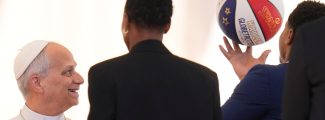
Pope Leo Says He Does Not Fear Trump, Citing Gospel As He Pushes Back in Feud Over Iran War
Trump delivered an extraordinary online attack against Leo on Sunday night after the first U.S.-born pope suggested that a ‘delusion of omnipotence’ is fueling the U.S.-Israel war in Iran.
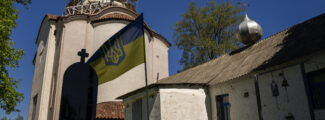
Russia and Ukraine Accuse Each Other of Violating Putin’s Easter Ceasefire
The General Staff of Ukraine’s armed forces said in a statement Sunday that it had recorded 2,299 ceasefire violations by 7 a.m., including assaults, shelling, and small drone launches.
Editorials
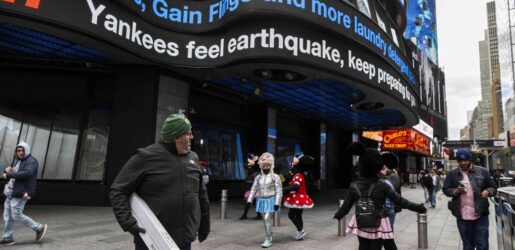
The Lord Was Not in the Earthquake
Brian Kaylor reacts to claims that God is sending a message through a 4.8 magnitude earthquake shook the northeastern part of the U.S. on Friday or a solar eclipse going across much of the U.S. on Monday.
When Bad Theology Leads to Bad Laws
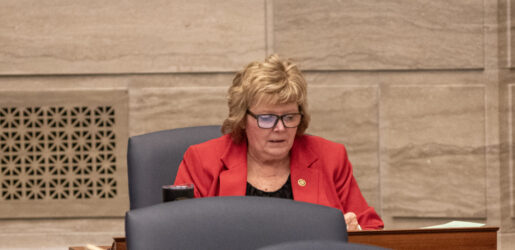
During a recent debate in the Missouri Senate over a proposal to create rape and incest exemptions to Missouri’s abortion ban, one lawmaker argued against such exceptions by defaming God.

Unsettling Advent 2023, Day 21
For the final devotional exploring Advent in a time of bloodshed in Israel, Brian Kaylor reflects on how Gaza is significant in a biblical story that doesn’t explicitly mention the place.
Word&Way Voices
The Enemy Within: Apocalyptic Nationalism and the Corruption of Christian Witness
When Christianity becomes publicly associated with nationalist aggression and eagerness for war, it presents a face to the world that is, by any honest reading of the New Testament, a misrepresentation of the faith.

Shutting the Back Door
Contributing writer Sarah Blackwell explores the importance of ‘theodiversity’ on college campuses, where student ministries are often dominated by conservative evangelicals.
The Extraordinary Ordinariness of Black Female Laity
Rev. Dr. James Ellis III reflects on the often contentious issue of ordination in the Black Church — particularly the rift that can exist between women who feel called to vocational ministry and women who do not.
E-Newsletter
USDA Serves Up Rightwing Christian Worship Services
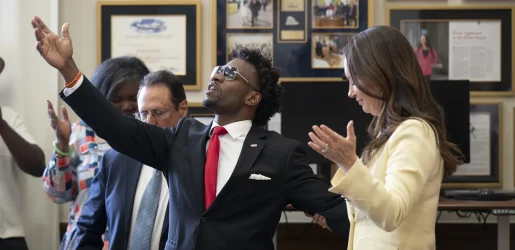
This issue of A Public Witness documents several outlandish events beyond those named in a recent church-state lawsuit by employees or a complaint from the Freedom From Religion Foundation.

Global Baptists Meet in Toronto to Work for Justice and Peace
This issue of A Public Witness treks to The Six to cover the recent gathering of the Baptist World Alliance.
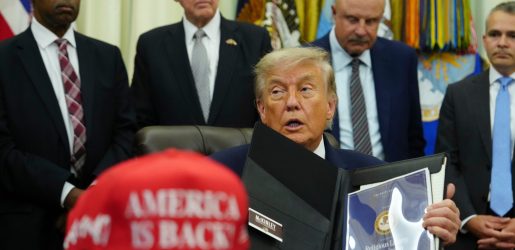
Add Your Voice for Church-State Separation
Trump’s ‘Religious Liberty Commission’ is now receiving public comments that it will review before issuing a final report. While they will not repent of their Christian Nationalism, it can still be an important sign of how unpopular their agenda is if they are swamped with public opposition.
-
Claiming God's Name in Politics, War, & Sports
 This episode of Dangerous Dogma features a conversation between Word&Way Editor Brian Kaylor, Lutheran minister and journalist Angela Denker, and Disciples pastor and author Beau Underwood. The conversation includes discussion about a botched execution in Tennessee, religious issues in political campaigns, and Pete Hegseth's misuse of the Bible. And Beau shows off his White Sox…
 -
Backslide with Robert P. Jones
This episode of Dangerous Dogma features a conversation between Word&Way Editor Brian Kaylor and Robert P. Jones, author of the forthcoming book Backslide: Reclaiming a Faith and a Nation After the Christian Turn Against Democracy. Jones is also the founder and president of PRRI. He previously appeared on Dangerous Dogma in 2023. You can watch a… -
DHS Spies on Churches & White Sox Honor Pope Leo
This episode of Dangerous Dogma features a conversation between Word&Way Editor Brian Kaylor, Lutheran minister and journalist Angela Denker, and Disciples pastor and author Beau Underwood. The conversation includes discussion about revelations that the Department of Homeland Security has been spying in churches, a controversial golf ad, and a White Sox night celebrating Pope Leo.… -
The State of the Senate, from SC to ME to TX to KS
This episode of Dangerous Dogma features a conversation between Word&Way Editor Brian Kaylor, Lutheran minister and journalist Angela Denker, and Disciples pastor and author Beau Underwood. The conversation includes discussion about the death of Sen. Lindsey Graham as well as issues of faith and morality in Senate races in Maine, Texas, and Kansas. You can… -
Southern Baptists, the Pentagon, & UFC
This episode of Dangerous Dogma features a conversation between Word&Way Editor Brian Kaylor, Lutheran minister and journalist Angela Denker, and Disciples pastor and author Beau Underwood. The conversation includes discussion about the Southern Baptist Convention's push against women in ministry, the Pentagon changing how it codes the faith of military members, and the latest in… -
Southern Baptists, Women in Ministry, & a Billboard
In this episode, Word&Way President Brian Kaylor talks with Meredith Stone, executive director of Baptist Women in Ministry. The conversation includes discussion of efforts in the Southern Baptist Convention to further target women serving in churches and how BWIM is advocating for women (including with a billboard to greet SBC messengers next week in Orlando,… -
Divergent Visions for Rededicating the Nation
This episode of Dangerous Dogma features a conversation between Word&Way Editor Brian Kaylor, Lutheran minister and journalist Angela Denker, and Disciples pastor and author Beau Underwood. The conversation includes discussion about Rededicate 250, gerrymandering, Adam Hamilton's Senate campaign in Kansas, and the MAHA movement. You can watch a video version of the conversation here. Here are a few pieces… -
The Christian Past That Wasn't
In this episode, Word&Way President Brian Kaylor talks with Warren Throckmorton, a retired professor who has spent years debunking false claims by Christian Nationalist pseudo-historian David Barton. Throckmorton is the author of the new book, The Christian Past that Wasn't: Debunking the Christian Nationalist Myths that Hijack History. You can watch a video version of… -
Trump vs. Leo
This episode of Dangerous Dogma features a conversation between Word&Way Editor Brian Kaylor, Lutheran minister and journalist Angela Denker, and Disciples pastor and author Beau Underwood. The conversation includes discussion about President Donald Trump's attacks on Pope Leo XIV, Leo's witness against the Iran war, Trump's AI image of himself as Jesus, and the electoral… -
Fight Like Jesus with Jason Porterfield (Reissue)
In this episode, Word&Way President Brian Kaylor talks with Jason Porterfield about his book Fight Like Jesus: How Jesus Waged Peace. This episode originally aired in 2023, except for a new introduction noting a violent prayer by Pete Hegseth during a recent Pentagon worship service and Palm Sunday comments by Pope Leo XIV. Note: Don't forget…


Books
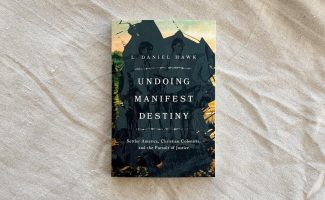
Review: Undoing Manifest Destiny
L. Daniel Hawk exposes the belief systems and practices that settlers developed to justify the displacement, destruction, and cultural erasure of Indigenous peoples, beginning in the early American colonial period and extending to the present day.
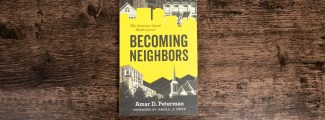
Review: Becoming Neighbors
Amar D. Peterman explores how the common good can be cultivated through the practice of neighbor love and encourages Christians to join their neighbors at what he calls ‘the shared table.’
Review & Giveaway: Beyond Deconstruction
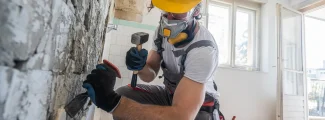
If HGTV decided to cast a show about fixing up your old religion, few could compete with James McGrath to be the star who transforms outdated edifices into contemporary spiritual structures.

Review: Beyond Deconstruction
Writing in a personal, conversational style, New Testament scholar James McGrath shares his experiences of outgrowing a narrowly defined Christianity and learning how to inhabit a more dynamic Christian faith.