
Sign up to receive full essays in your inbox!

Featured
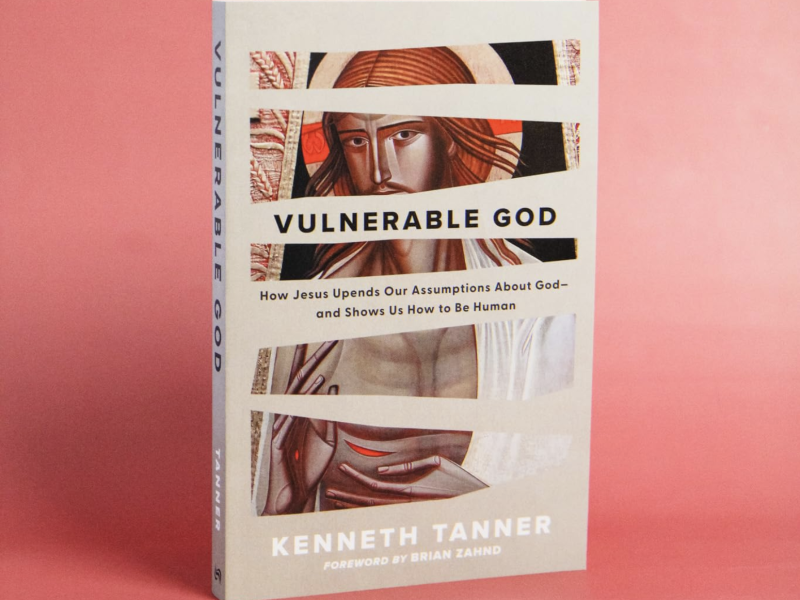
Review: Vulnerable God
Tracing the events of Jesus's life as told in the Bible and the rhythms of the church year, pastor and theologian Kenneth Tanner invites us to recapture our wonder that God has become human.
Taxpayers Are Funding Private School Tuition. It’s Helping Classical Christian Schools Expand
Securing public money for private education raises issues over church-state separation but fulfills a longstanding goal for Christian Nationalists like Doug Wilson, who founded the Association of Classical Christian Schools.

Book Recommendation: My Disability is Divine
As a scholar and disability rights advocate, Amy Kenny illuminates aspects of our own lives, our congregations, and our society that continue to harm our neighbors living with disabilities and hold all of us back from enjoying true community.
Church
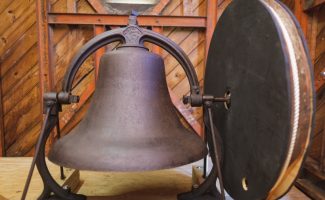
Congregants Celebrate the Reconstruction of One of America’s Oldest Black Churches
Hundreds of residents gathered for a community-wide re-dedication of the original First Baptist Church of Williamsburg, which was established in 1776 by enslaved and free African Americans in defiance of laws that prevented them from congregating.
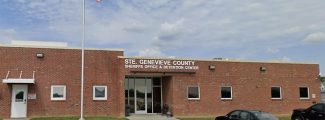
For the First Time, a Catholic Archbishop Sues Trump Over Access to Immigrant Detainees
The lawsuit, from Archbishop Mitchell Thomas Rozanski along with the Archdiocese of St. Louis, accused the Department of Homeland Security and ICE of instituting policies that violate 'core constitutional values.'
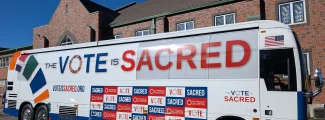
Clergy Rally for Voting Rights, Against Gerrymandering at Start of Interfaith Bus Tour
This issue of A Public Witness drives over to the opening stop of the 2026 'The Vote Is Sacred Tour' at a Missouri church that’s seen firsthand the efforts this year to distort elections and dilute the voting power of Black communities.
Nation
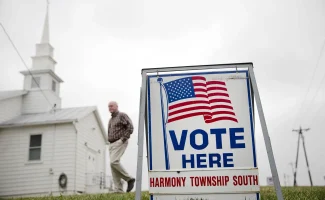
Faith Leaders Unite Across Religions to Counter Voter Intimidation on Election Day
While the idea of poll chaplains has been around for several years, 2026 will likely be different because there is widespread concern that the presence of federal immigration agents could create a chilling effect.

Reflecting on ‘Pastor Spies’ in Minnesota
This issue of A Public Witness contemplates historical parallels between the Stasi secret police force in East Germany targeting activist Lutheran congregations and DHS agents spying inside ELCA churches today.
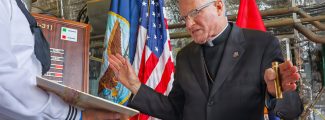
After Religious Pushback, Trump Says Pentagon Won’t Livestream Execution
President Donald Trump announced Thursday (Oct. 15) that the Pentagon will not livestream the execution of the Fort Hood shooter, backing away from a proposal that triggered widespread pushback from prominent religious leaders.
World
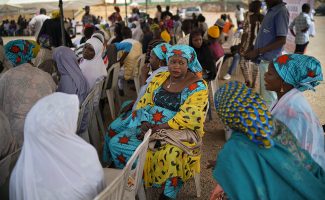
As Violence Escalates in Nigeria, Christian and Muslim Leaders Unite
Amid surging kidnappings and attacks on communities and places of worship, faith leaders are forming partnerships aimed at countering religious division and building peace.
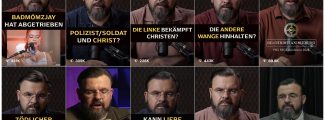
In Germany, Right-Wing ‘Christfluencers’ Hope to Follow the US Religious Right
Radicalized by COVID-19 and anger over immigration, right-wing pastors like Tobias Riemenschneider in Germany hope to gain followers by promoting conservative Christian views and politics. They have looked to religious right leaders and conservative influencers in the US for inspiration.
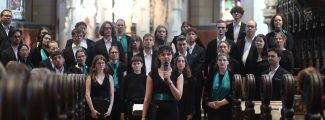
What the AfD’s Victory Means for German Churches’ Influence
The Alternative für Deutschland (AfD) Party scored a pivotal victory for the far-right in Germany, an outcome churches fiercely fought to prevent. Their inability to stop it and the spread of the party’s anti-immigrant agenda expose a deeper rift in communities in which churches were a check on right-wing extremism.
Editorials
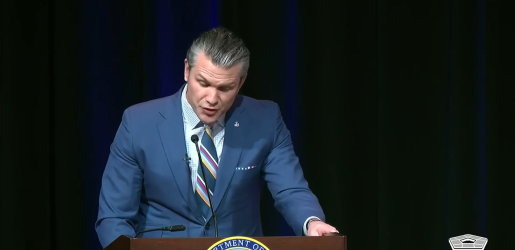
Pete Hegseth’s War Prayer
Editor-in-Chie Brian Kaylor reflects on a recent violent prayer by Pete Hegseth during a Christian worship service at the Pentagon and Mark Twain’s satirical work “The War Prayer.”
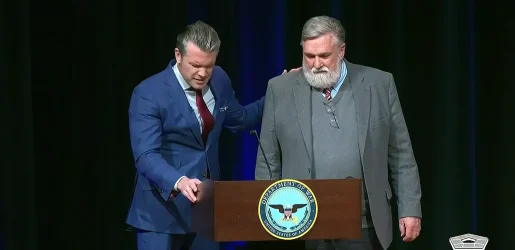
Doug Wilson’s Wrong on Why I’m ‘Whizzed Up’ About His Pentagon Sermon
Editor-in-Chief Brian Kaylor responds to Doug Wilson’s defense of Pete Hegseth holding Christian worship services in the Pentagon, including the one Wilson preached at earlier this month.
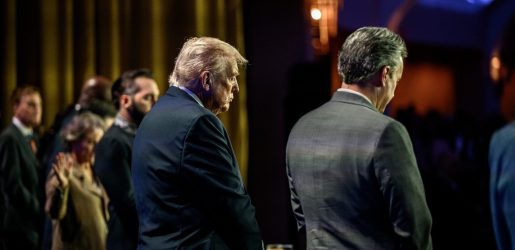
Michael W. Smith Worshipwashes Trump’s Profanity and Lies
After President Donald Trump rambled, lied, and cursed for 77 minutes at the National Prayer Breakfast, a prominent Christian musician went to the piano to bless it.
Word&Way Voices
MAGA Told Us We Were Getting Louis IX. We Got Louis XIV Instead.
Evangelicals have turned to various historical figures in an attempt to depict President Donald Trump as a fine Christian man. But the “Sun King” might be the best fit.
Those Far From God, and Those Who Are Heard
There is a way to interpret Scripture that leaves a person almost permanently reassured — difficult passages become instruments for identifying enemies rather than mirrors for examining the soul. But the Bible consistently resists that reading.
Read It Yourself
For the second entry in our series on religion and AI, a biblical scholar and ethicist unpacks how technological advances are influencing how her students might choose bullet-pointed information over learning to seek and love the truth.
E-Newsletter
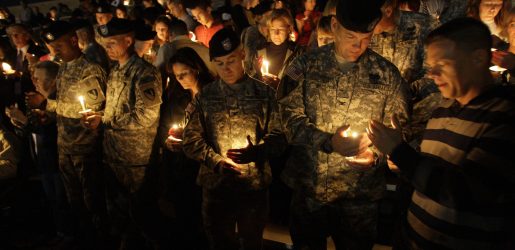
Planned Public Execution Sparks Debate of Biblical Proportions
This issue of A Public Witness considers the claims that ‘the Bible says so’ and the diverse Christian voices opposing the snuff film planned by the Crusader leading the Pentagon.
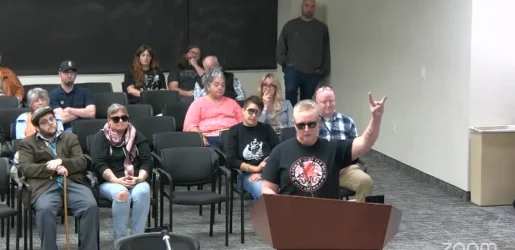
Christian Nationalism Backfires With Satanic City Council Prayers
This issue of A Public Witness pulls back the curtain to explore self-defeating efforts from the religious right in Washington and Iowa.
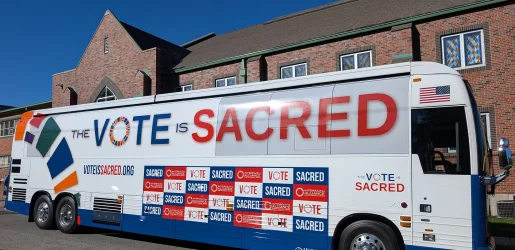
Clergy Rally for Voting Rights, Against Gerrymandering at Start of Interfaith Bus Tour
This issue of A Public Witness drives over to the opening stop of the 2026 'The Vote Is Sacred Tour' at a Missouri church that’s seen firsthand the efforts this year to distort elections and dilute the voting power of Black communities.
-
Claiming God's Name in Politics, War, & Sports
 This episode of Dangerous Dogma features a conversation between Word&Way Editor Brian Kaylor, Lutheran minister and journalist Angela Denker, and Disciples pastor and author Beau Underwood. The conversation includes discussion about a botched execution in Tennessee, religious issues in political campaigns, and Pete Hegseth's misuse of the Bible. And Beau shows off his White Sox…
 -
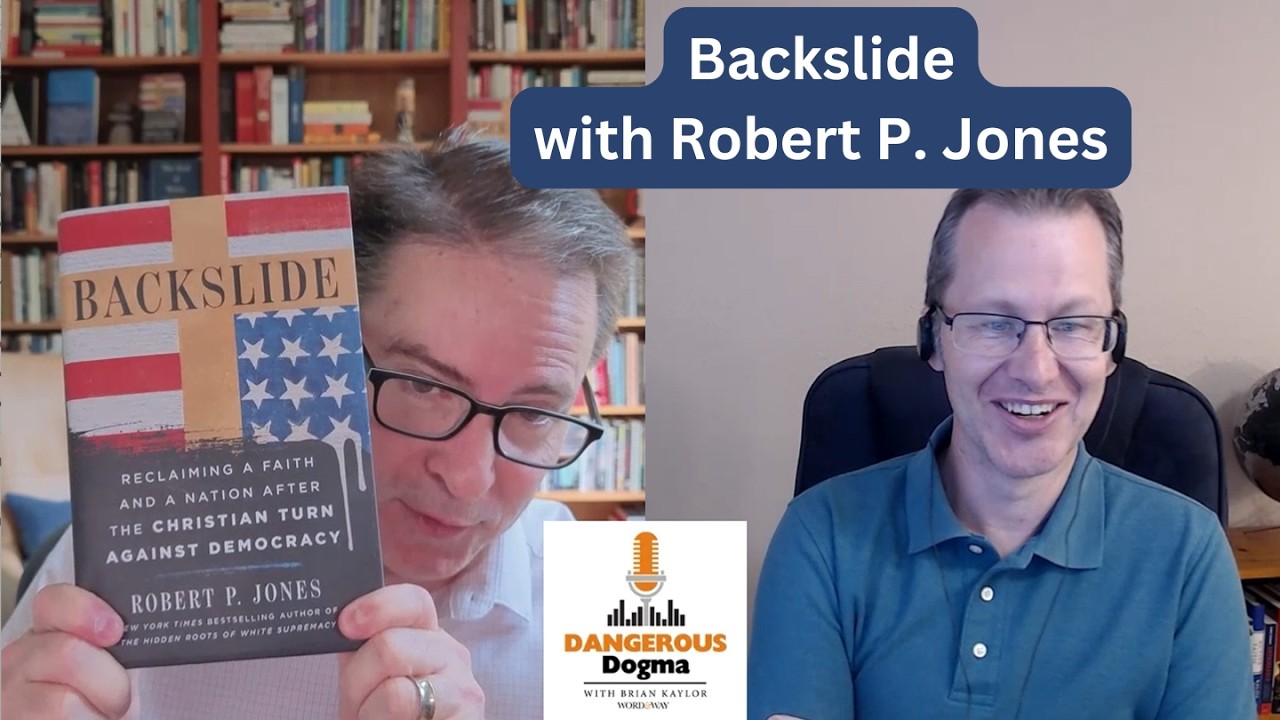
Backslide with Robert P. Jones
This episode of Dangerous Dogma features a conversation between Word&Way Editor Brian Kaylor and Robert P. Jones, author of the forthcoming book Backslide: Reclaiming a Faith and a Nation After the Christian Turn Against Democracy. Jones is also the founder and president of PRRI. He previously appeared on Dangerous Dogma in 2023. You can watch a… -
DHS Spies on Churches & White Sox Honor Pope Leo
This episode of Dangerous Dogma features a conversation between Word&Way Editor Brian Kaylor, Lutheran minister and journalist Angela Denker, and Disciples pastor and author Beau Underwood. The conversation includes discussion about revelations that the Department of Homeland Security has been spying in churches, a controversial golf ad, and a White Sox night celebrating Pope Leo.… -
The State of the Senate, from SC to ME to TX to KS
This episode of Dangerous Dogma features a conversation between Word&Way Editor Brian Kaylor, Lutheran minister and journalist Angela Denker, and Disciples pastor and author Beau Underwood. The conversation includes discussion about the death of Sen. Lindsey Graham as well as issues of faith and morality in Senate races in Maine, Texas, and Kansas. You can… -
Southern Baptists, the Pentagon, & UFC
This episode of Dangerous Dogma features a conversation between Word&Way Editor Brian Kaylor, Lutheran minister and journalist Angela Denker, and Disciples pastor and author Beau Underwood. The conversation includes discussion about the Southern Baptist Convention's push against women in ministry, the Pentagon changing how it codes the faith of military members, and the latest in… -
Southern Baptists, Women in Ministry, & a Billboard
In this episode, Word&Way President Brian Kaylor talks with Meredith Stone, executive director of Baptist Women in Ministry. The conversation includes discussion of efforts in the Southern Baptist Convention to further target women serving in churches and how BWIM is advocating for women (including with a billboard to greet SBC messengers next week in Orlando,… -
Divergent Visions for Rededicating the Nation
This episode of Dangerous Dogma features a conversation between Word&Way Editor Brian Kaylor, Lutheran minister and journalist Angela Denker, and Disciples pastor and author Beau Underwood. The conversation includes discussion about Rededicate 250, gerrymandering, Adam Hamilton's Senate campaign in Kansas, and the MAHA movement. You can watch a video version of the conversation here. Here are a few pieces… -
The Christian Past That Wasn't
In this episode, Word&Way President Brian Kaylor talks with Warren Throckmorton, a retired professor who has spent years debunking false claims by Christian Nationalist pseudo-historian David Barton. Throckmorton is the author of the new book, The Christian Past that Wasn't: Debunking the Christian Nationalist Myths that Hijack History. You can watch a video version of… -
Trump vs. Leo
This episode of Dangerous Dogma features a conversation between Word&Way Editor Brian Kaylor, Lutheran minister and journalist Angela Denker, and Disciples pastor and author Beau Underwood. The conversation includes discussion about President Donald Trump's attacks on Pope Leo XIV, Leo's witness against the Iran war, Trump's AI image of himself as Jesus, and the electoral… -
Fight Like Jesus with Jason Porterfield (Reissue)
In this episode, Word&Way President Brian Kaylor talks with Jason Porterfield about his book Fight Like Jesus: How Jesus Waged Peace. This episode originally aired in 2023, except for a new introduction noting a violent prayer by Pete Hegseth during a recent Pentagon worship service and Palm Sunday comments by Pope Leo XIV. Note: Don't forget…


Books
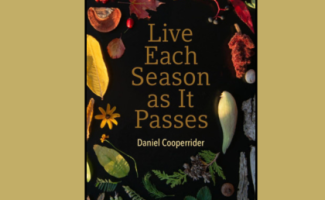
Review: Live Each Season As It Passes
Daniel Cooperrider reminds readers that God continues to speak in the context of nature and the ebbs and flows of the seasons. It’s a witness we need to heed, considering the climate challenges we face as human beings.

Review: Traveling by a Different Way
In this luminous and deeply comforting collection, Fr. Joel W. Huffstetler, rector of St. Luke's Episcopal Church in Cleveland, Tennessee, invites us to see life's upheavals through the steady light of grace.
Book Recommendation: American Caesar
Bradley Onishi’s new book details the rise of a class of ruling elites who seek to use religion and technology to replace democracy with authoritarian rule.

Review: Every Somewhere Sacred
We're often disconnected from the places we inhabit — cut off from nature, our neighbors, people different from us, and a sense of rootedness. Ben Norquist and Brian Miller show how Christians can develop a redemptive imagination for place.