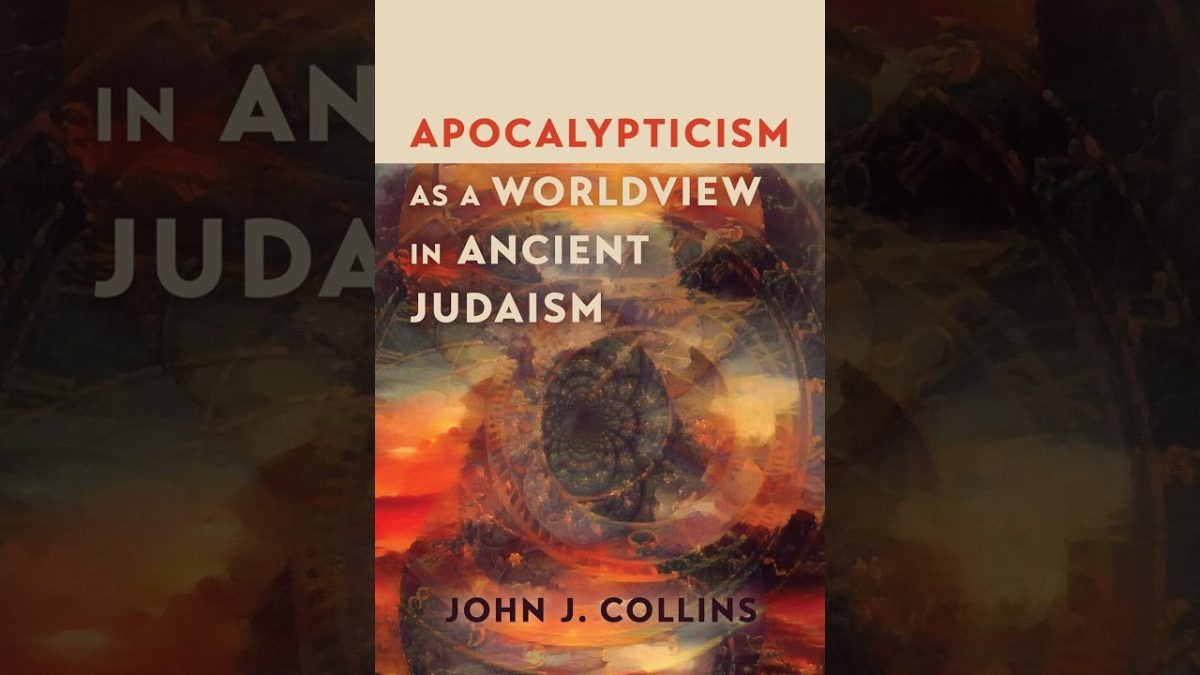
Review: Apocalypticism as a Worldview in Ancient Judaism
In this compelling study, renowned scholar John J. Collins shows that apocalyptic concerns extend beyond specific historical crises to fundamental questions of human mortality and limitation.

In this compelling study, renowned scholar John J. Collins shows that apocalyptic concerns extend beyond specific historical crises to fundamental questions of human mortality and limitation.
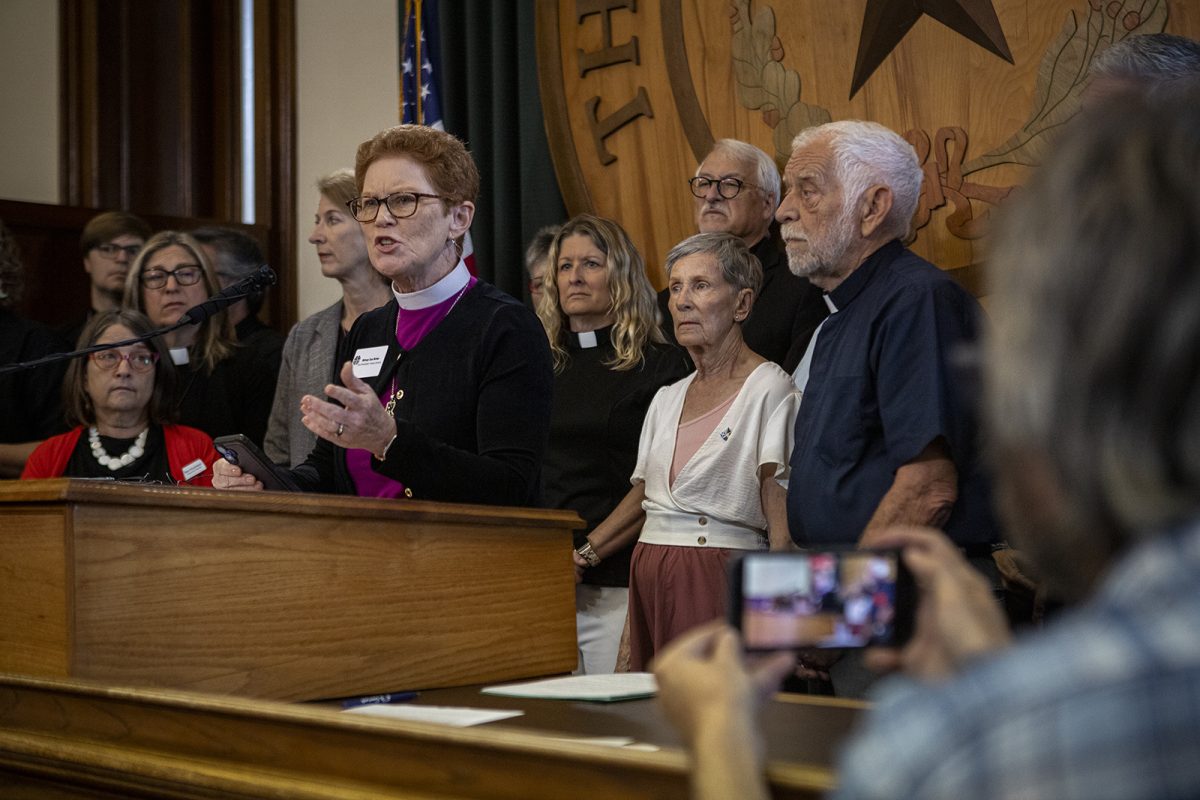
A news conference inside the state Capitol brought together about two dozen leaders from the United Methodist Church, the Episcopal Diocese of Texas, the South Central Conference of the United Church of Christ, the National Council of Jewish Women, and other faith-related groups.
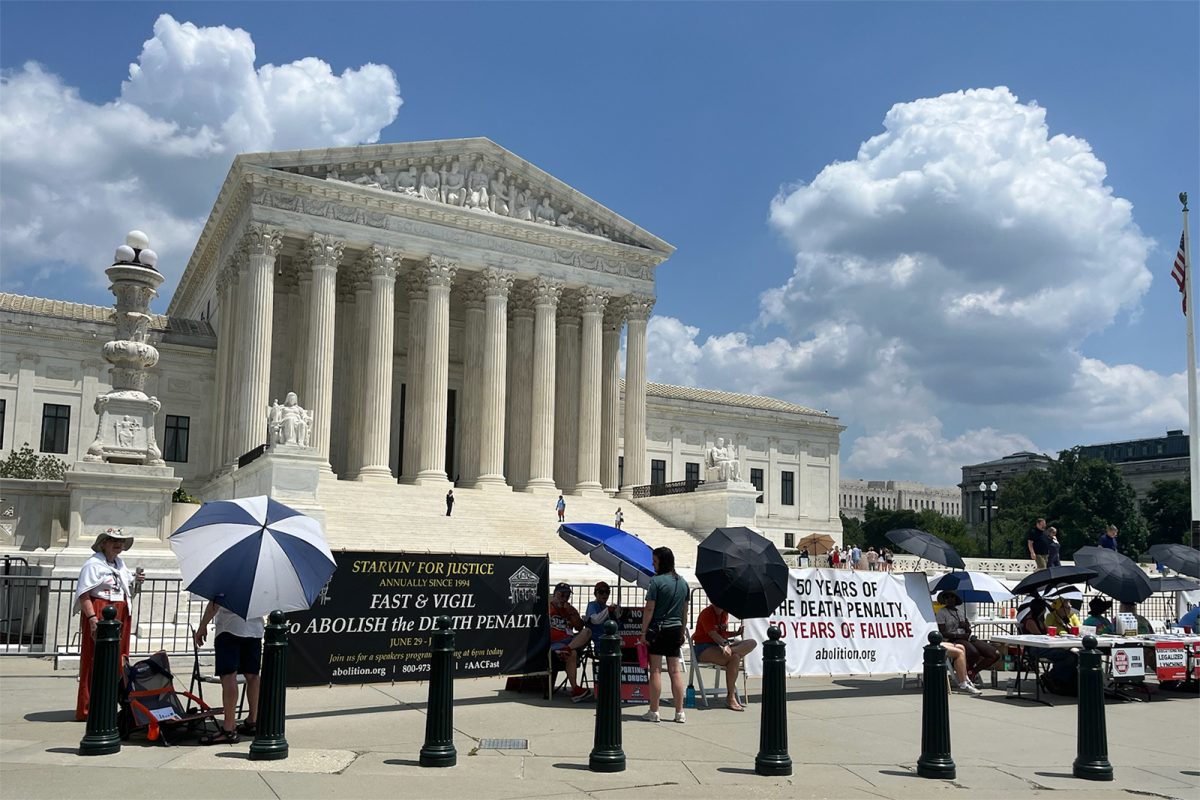
On the anniversary of a Supreme Court ruling reinstating the US death penalty, faith leaders, those affected by murder, and activists organize to call for an end to the death penalty.
The Israel-U.S.-Iran conflict has seen an appeal to scripture from many of the involved leaders. But the moment God is invoked as argument rather than moral motivation, the willingness to be wrong is surrendered.

Only about 1% of houses of worship in the U.S. today existed in 1776. Here are four that predate the revolution — and still hold services.

Given Pete Hegseth’s insistence on co-opting a biblical term and employing it out of context as an insult against reporters doing their job, this issue of A Public Witness takes a look at the real Pharisees and the lesson the ‘secretary of war’ is missing.
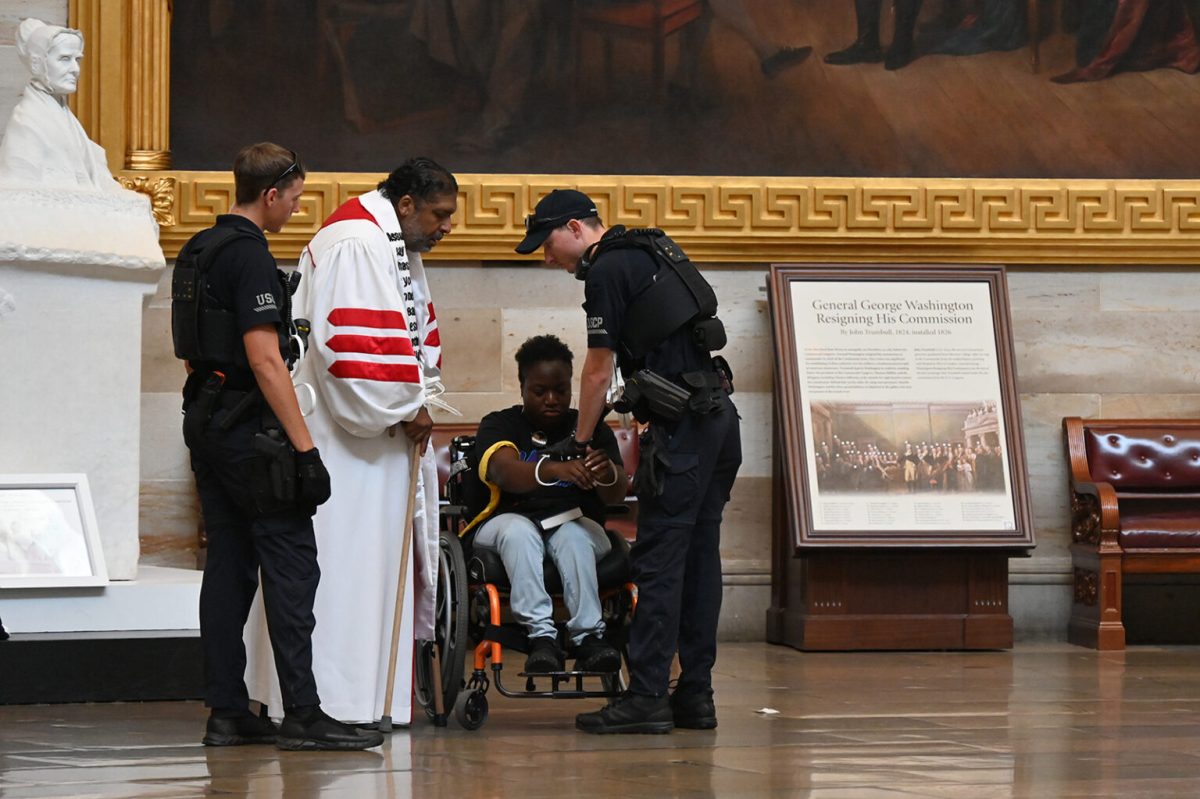
Not since the Civil Rights Era has the religious left so publicly and collaboratively protested in the name of a social question they regard as a spiritual one.

Anyone trying to build a bridge between faiths is liable to invoke Abraham — revered as a founding figure in Christianity, Islam, and Judaism — as someone they hold in common.
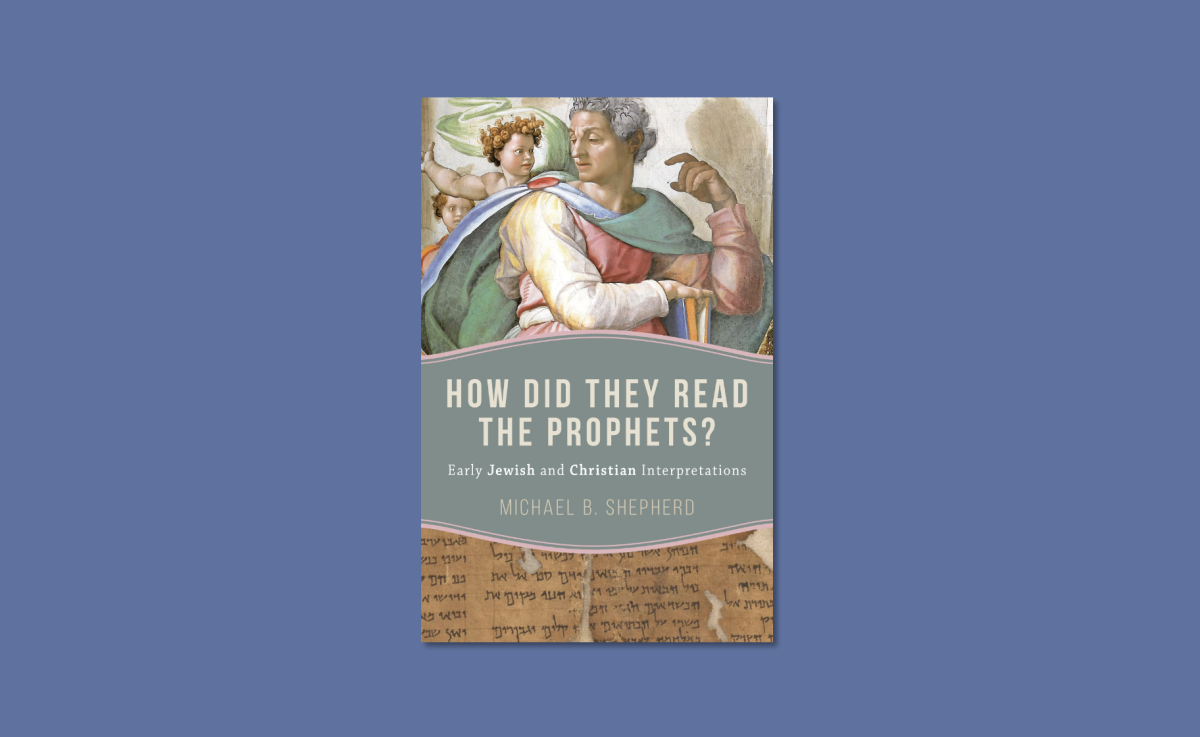
Old Testament scholar Michael B. Shepherd explores the world of ancient exegesis, focusing on how early Jewish and Christian readers understood the Hebrew Bible’s prophetic literature.
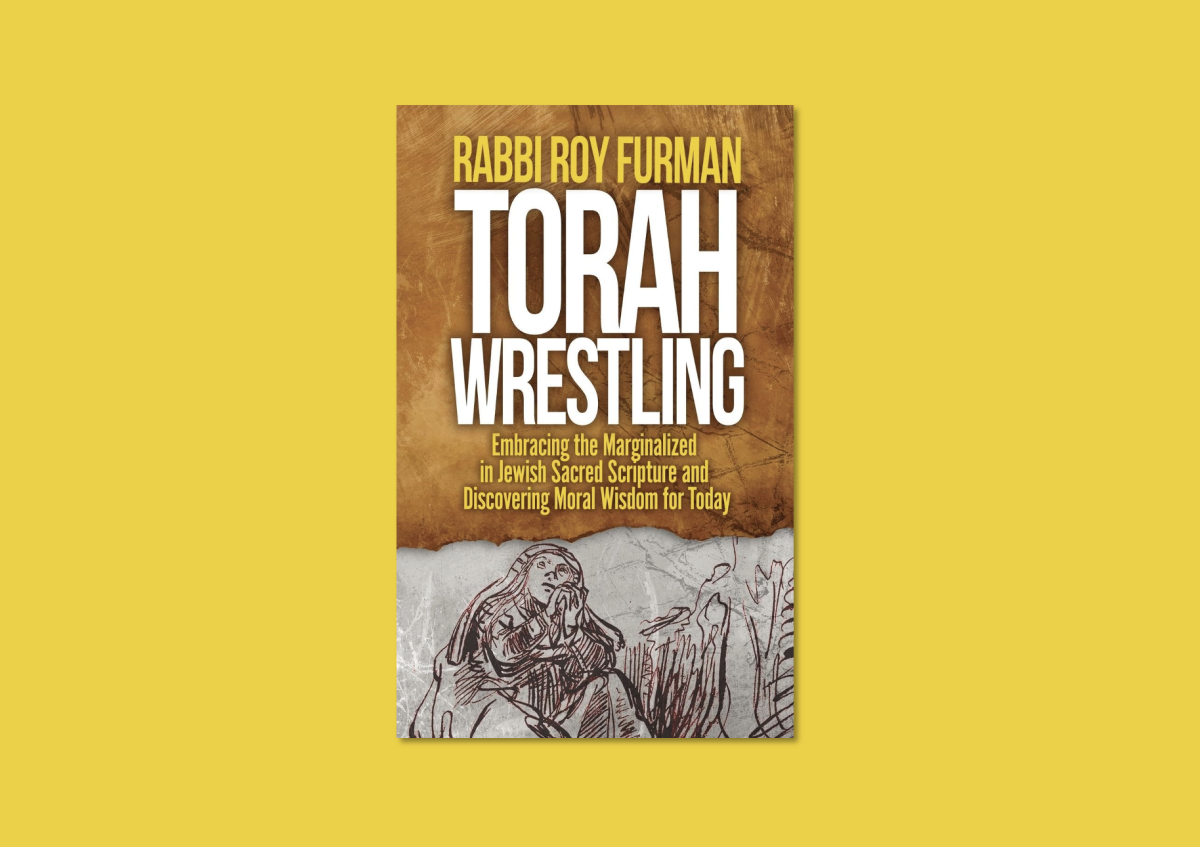
This book is ideal for Jews, Christians, and Muslims who wrestle with the moral dilemmas of our time while drawing wisdom from the most challenging and inspiring stories in the Bible’s first five books.