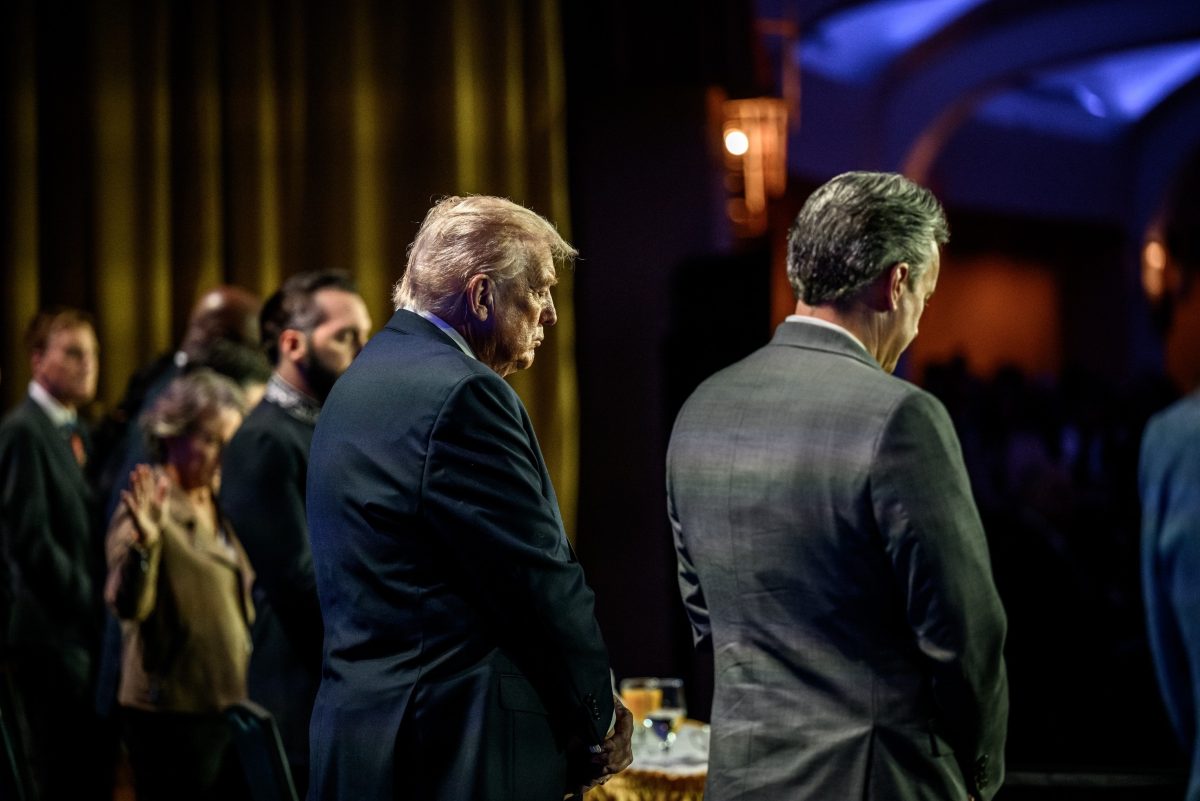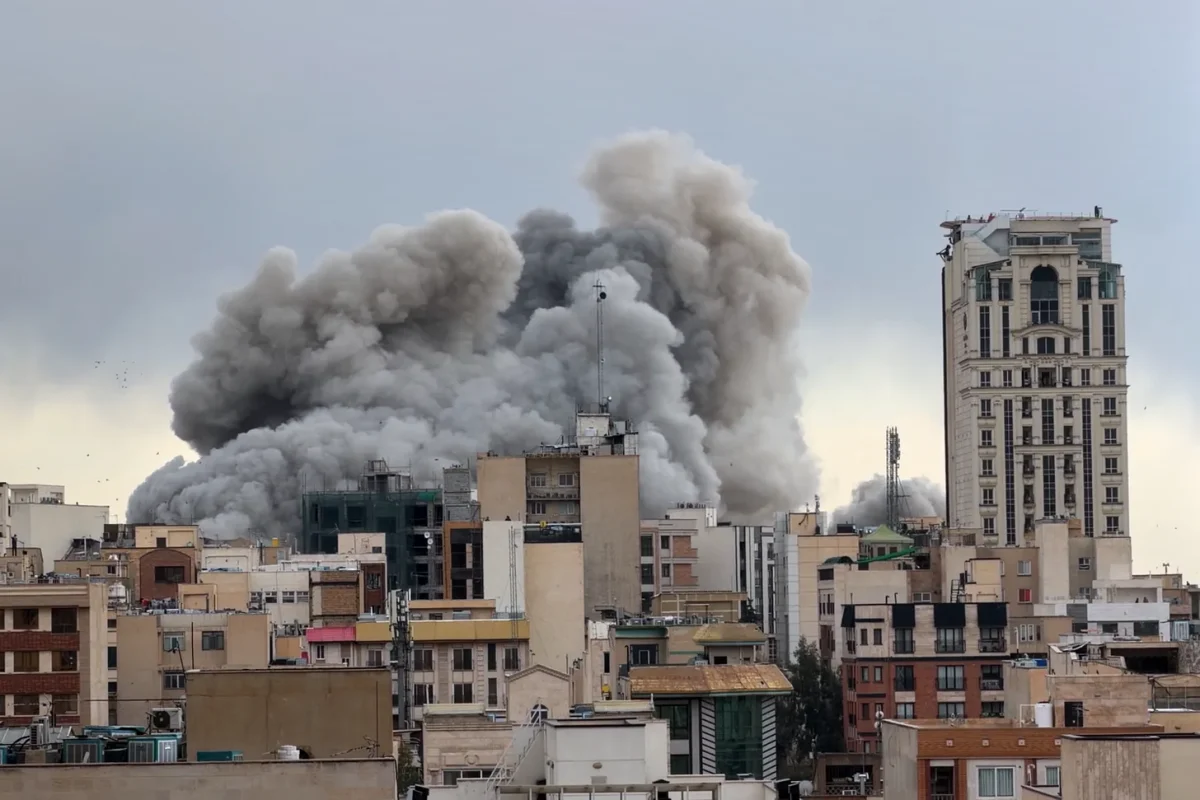
The increase in faith-fueled militaristic rhetoric is pitting the president against a growing list of faith leaders, ranging from local clergy to the pope.
‘For an administration that has been using religious language to justify the war, it’s remarkable that they have completely avoided engaging Christian moral theology on this point,’ said Robert P. Jones, a Christian Nationalism scholar.
In the last week, faith leaders were offered some of their first glimpses into ICE facilities, making use of a degree of access denied to most people — even members of Congress.
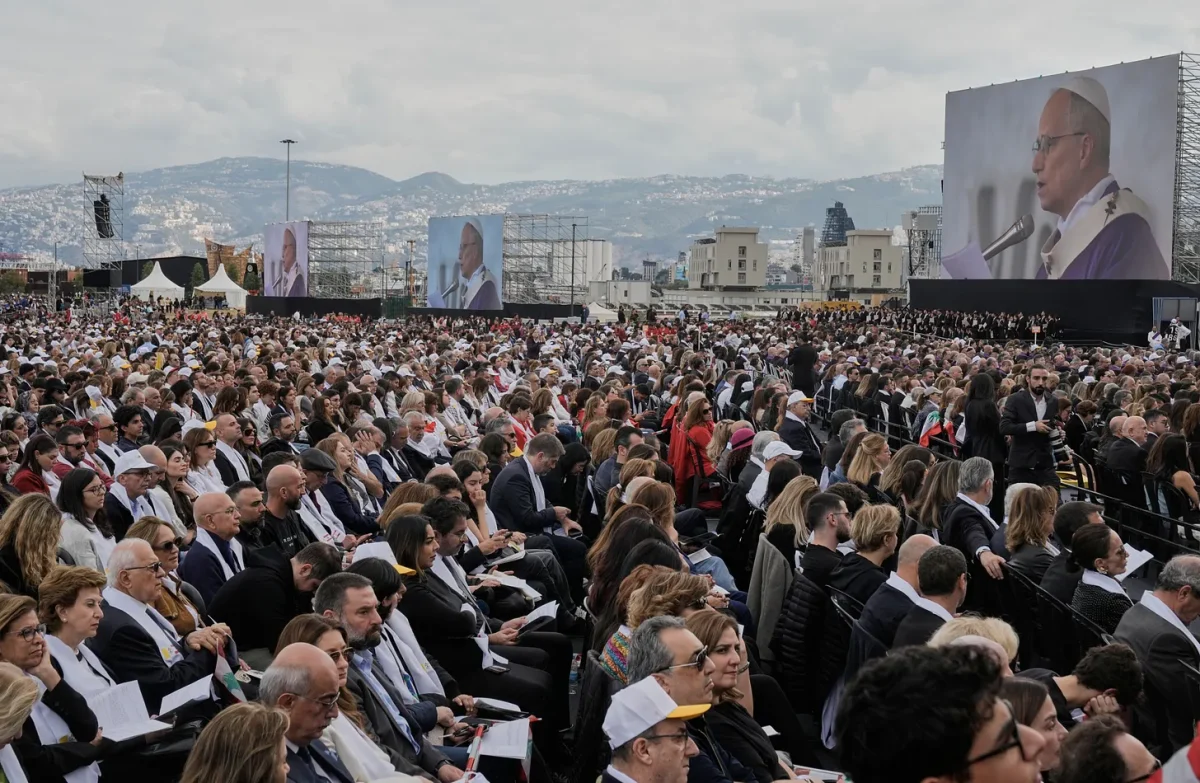
He said God doesn't listen to the prayers of those who make war or cite God to justify their violence, just after Israeli police prevented the Catholic Church’s top leadership from entering the Church of the Holy Sepulchre.
The phrase is often used as ‘a declaration of Christian Nationalism’ asserting that ‘the nation should be brought under the dictates of Christ,’ said Brian Kaylor.
The unusual statement marked the second time in recent months that members of the Catholic hierarchy have asserted their voice against a Trump administration many believe isn’t upholding the basic tenets of human dignity.
On the anniversary of the Council of Nicaea, the two Christian leaders pledged to unify their churches while warning world leaders to halt the spread of war and care for the environment.
Catholic, Orthodox, and most historic Protestant groups accept the Nicene Creed. Despite later schisms over doctrine and other factors, Nicaea remains a point of agreement — the most widely accepted creed in Christendom.
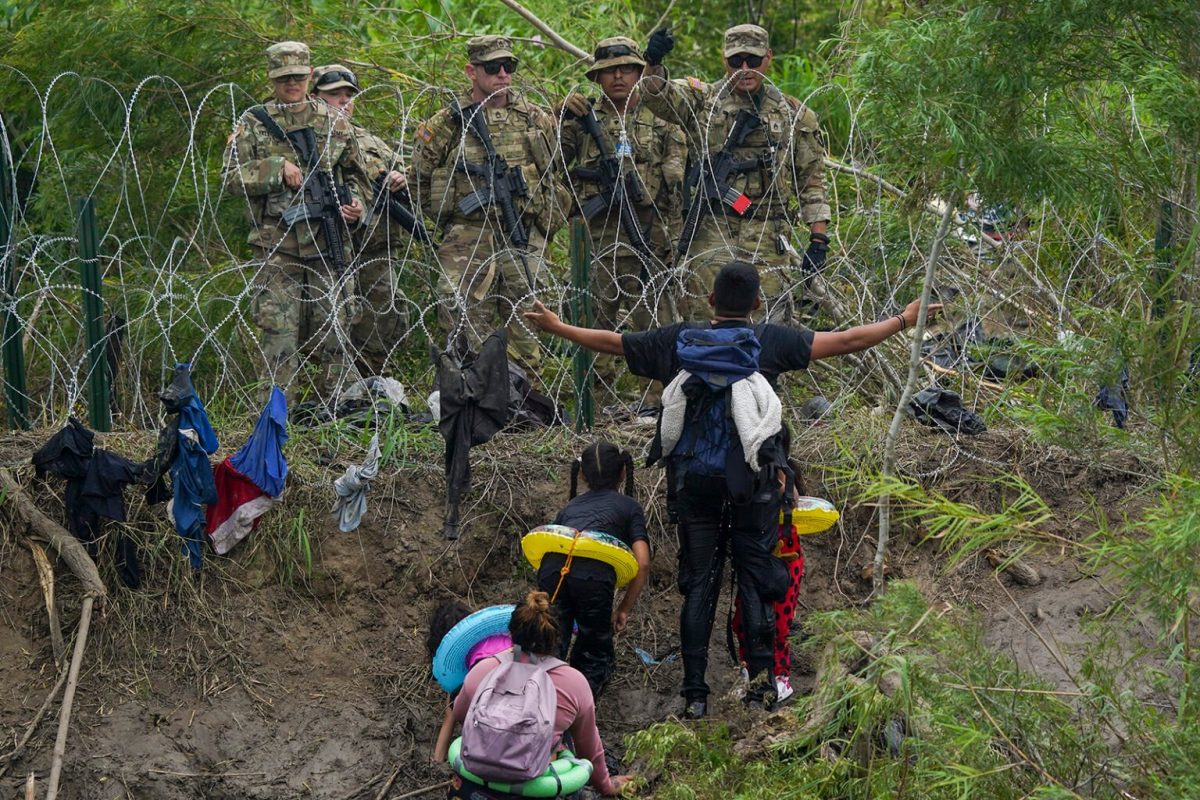
The Chicago-born pope was responding to a range of geopolitical questions, including what kind of spiritual rights migrants in U.S. custody should have, U.S. military attacks on suspected drug traffickers off Venezuela, and the fragile ceasefire in the Middle East.
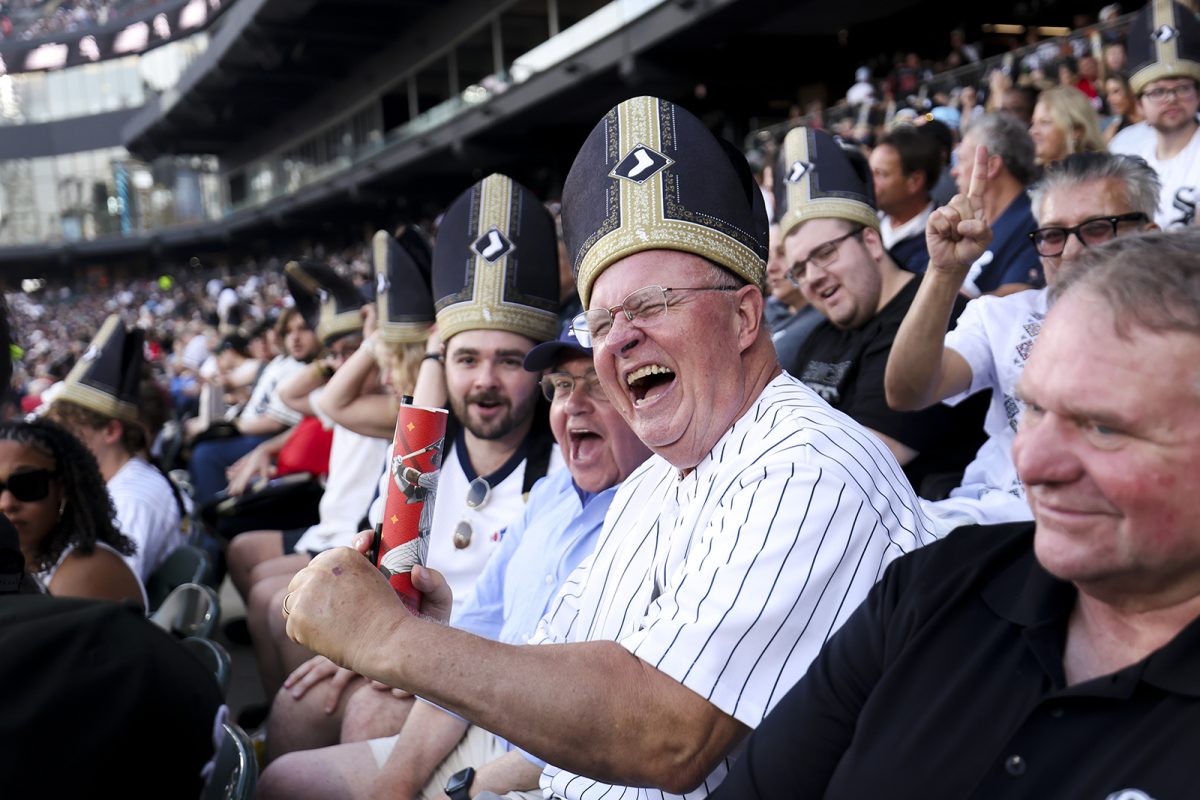
The first American pope weighed in on a controversy roiling the Chicago diocese, telling journalists the Catholic Church’s political positions include more than opposing abortion.