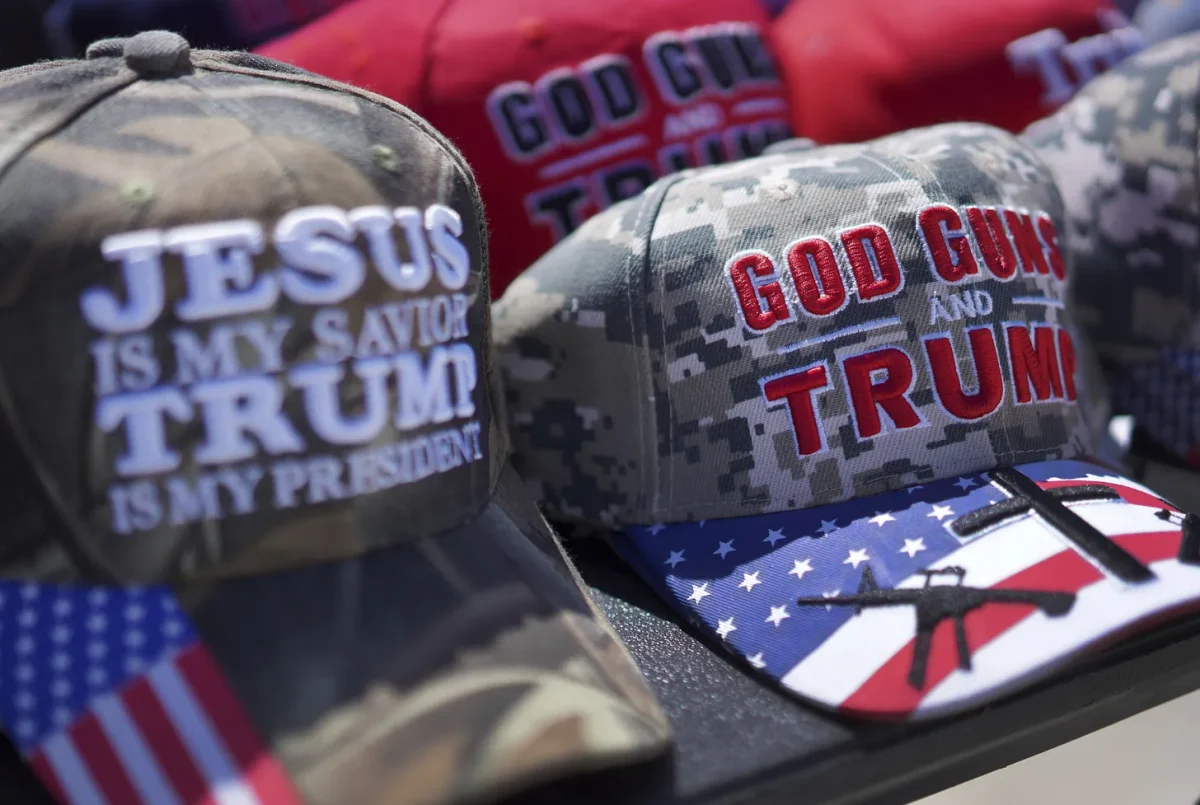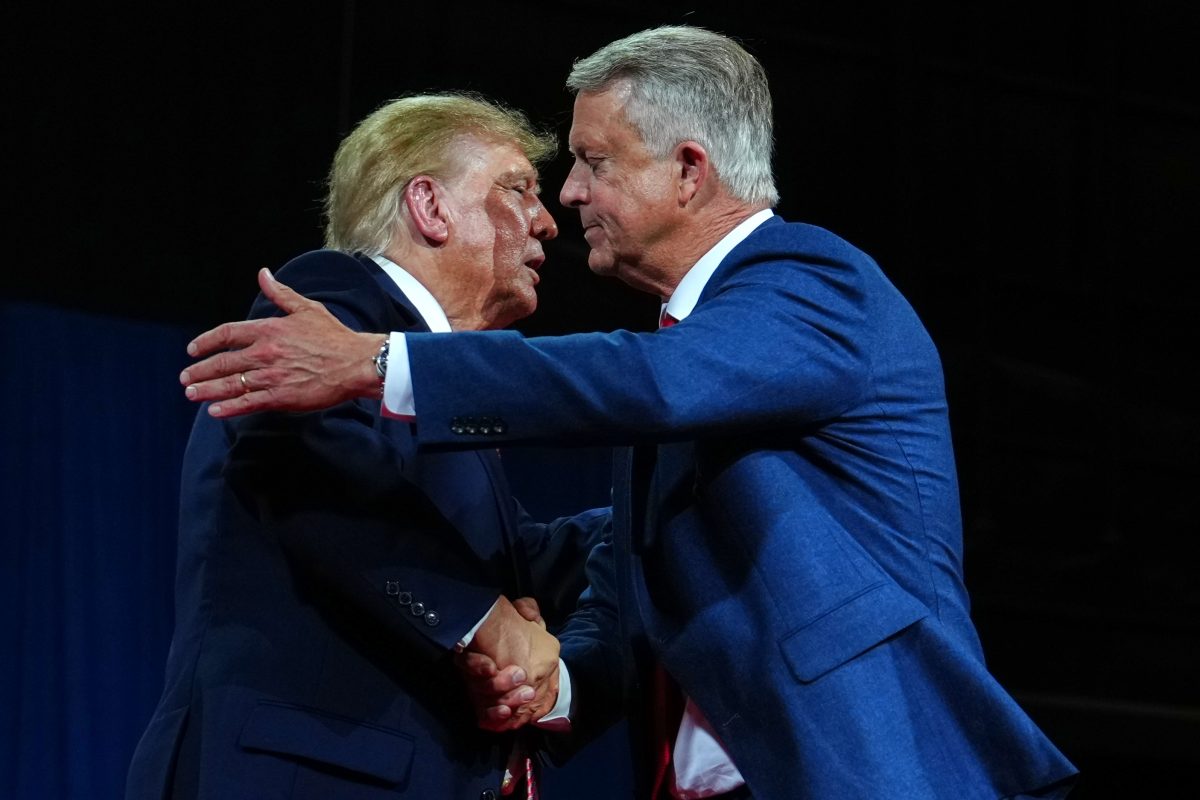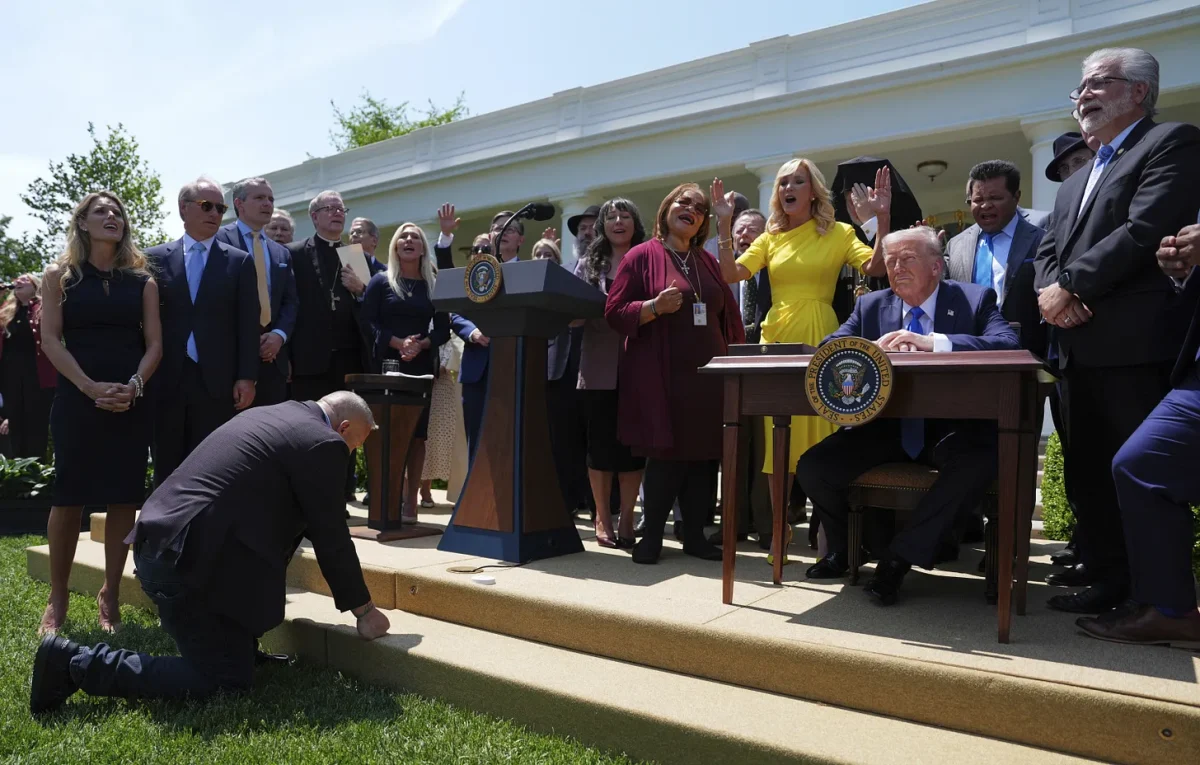
This issue of A Public Witness takes you through some of the highlights (or, uh, lowlights) of faith appeals at President Donald Trump’s ‘midterm convention.’
Religious language wasn’t always a mainstay of Turning Point. When Charlie Kirk first founded the organization in 2012, it focused on fiscal responsibility, free markets, and limited government.
This updated edition includes a chapter on the intersections between LGBTQIA identity and neurodivergence and extra attention to how churches can respond to the assault on diversity and transgender rights in the current political climate.
Faith leaders recently spoke out against the ICE activity after a decision by the U.S. Supreme Court allowed President Trump to end temporary protected status for the 330,000 Haitians who’ve fled violence.
'When I go to their house, they have to make sure it's me before they even go to the door,' Pastor Jean-Daniel Berard, who leads Passionate LightHouse of God, said of his church members. 'The fear is real.'
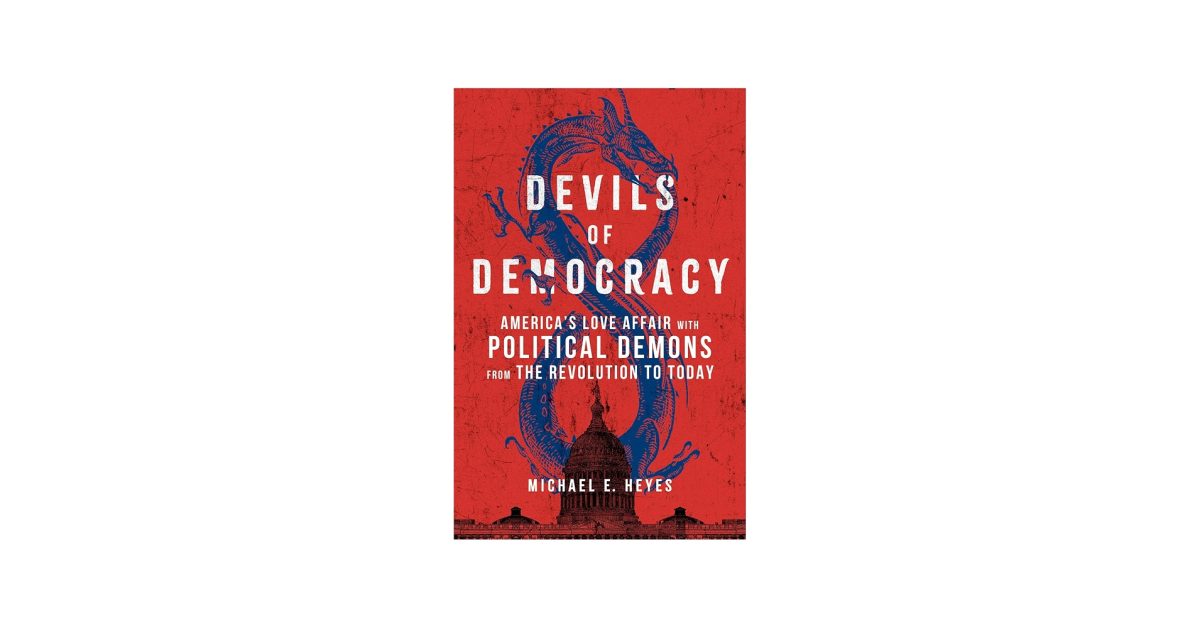
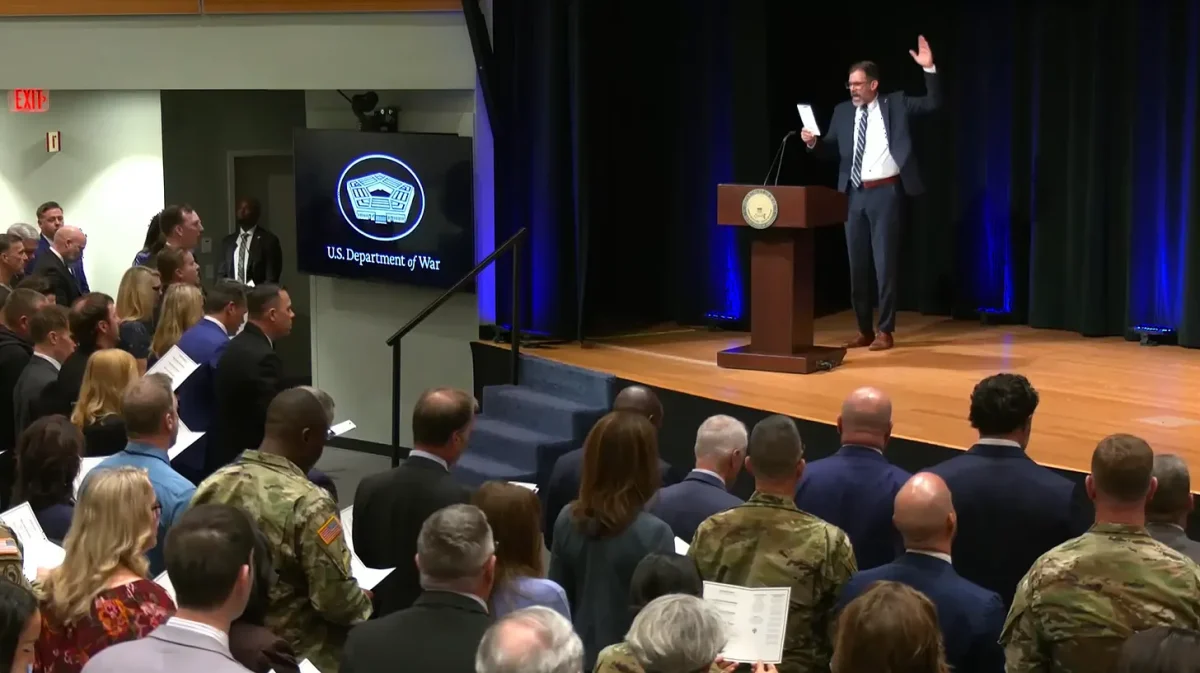
The leader of Pete Hegseth’s denomination recently said at a book promotion that ‘if America is a creedal nation, then you have to have creedal standards.’
Rodney Kennedy writes about religious issues and character matters in the the U.S. Senate race in Texas between Democrat James Talarico and Republican Ken Paxton.
In a state where two-thirds of the adult population identifies as Christian and 45% say religion is 'very important' in their life, the candidates are asking voters to choose between two dramatically different views of Christianity.
Congregations and other community groups in Socorro, Texas, organized against the sprawling $126 million complex. They cited moral objections and warned that the town's infrastructure couldn't support it.
In light of advocacy from figures like Doug Wilson and Micah Beckwith, it’s worth remembering why the American experiment includes a ban on religious tests for office.