In 1845, a group of pro-slavery Baptists created the Southern Baptist Convention to defend enslavers serving as missionaries. One hundred and eighty years later, SBC leaders defend a pastor serving as an ICE leader.
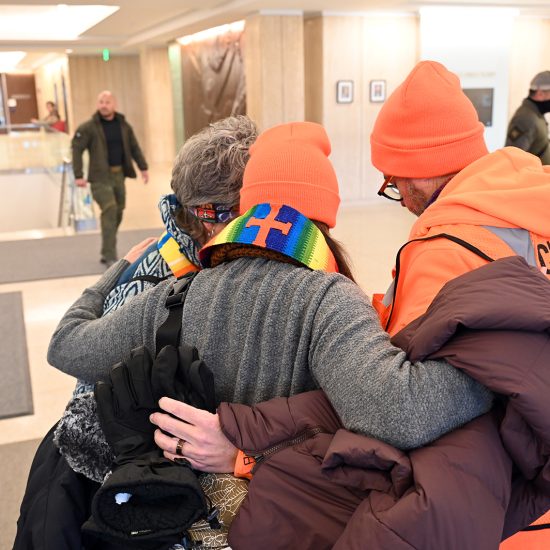
While ICE terrorizes people in the Twin Cities, the acting director for the St. Paul field office is also one of the pastors at a Southern Baptist congregation there. After learning about the dual roles of David Easterwood, a group of activists interrupted Sunday worship on Jan. 18 to protest ICE, Easterwood, and the church. The U.S. Department of Justice quickly promised to press charges against the protesters and many pastors, with three individuals arrested on Thursday.
Southern Baptist leaders were quick to support the Cities Church and its leadership. But they’ve also made it clear they have no problem with a pastor overseeing a militarized force terrorizing the community. Clearly, they’ve yet to detox from their theological sins of the past.
As a former Southern Baptist pastor (and someone now part of the Cooperative Baptist Fellowship), I remain alarmed about how the moral rot at the foundation of Southern Baptist theology continues to justify new waves of oppression today. Whether it’s enslaver missionaries criticizing Baptist minister Martin Luther King Jr. or defending an ICE pastor, Southern Baptists have yet to shake their original sin.
Consider the response of Albert Mohler, a leading Southern Baptist theologian who has served as president of the convention’s flagship seminary for over a quarter-century. Mohler waited nine days before addressing the ICE murder of Renee Good on either social media or his daily news podcast. And when he did finally weigh in, he sided with ICE over the Christian woman who was shot despite clear video evidence showing the officer was not in danger and did not need to repeatedly fire his weapon.
By contrast, Mohler took to social media within hours of the protests and devoted his podcast to the issue the next day. He strongly criticized the protest for disrupting worship. But then he also backed the pastor who leads the local ICE field office. Citing Romans 13, Mohler defended ICE and said they should “be recognized for their authority and for the legitimacy of their mission.” I can almost hear his spiritual predecessors saying the same thing about the slave patrols that hunted down enslaved people who ran away from the legal institution of slavery.
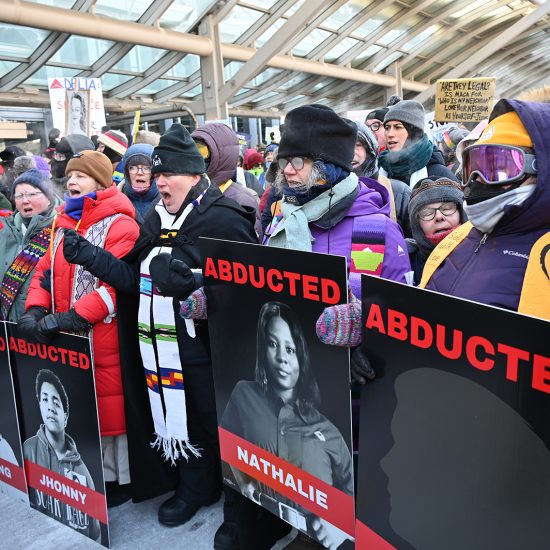
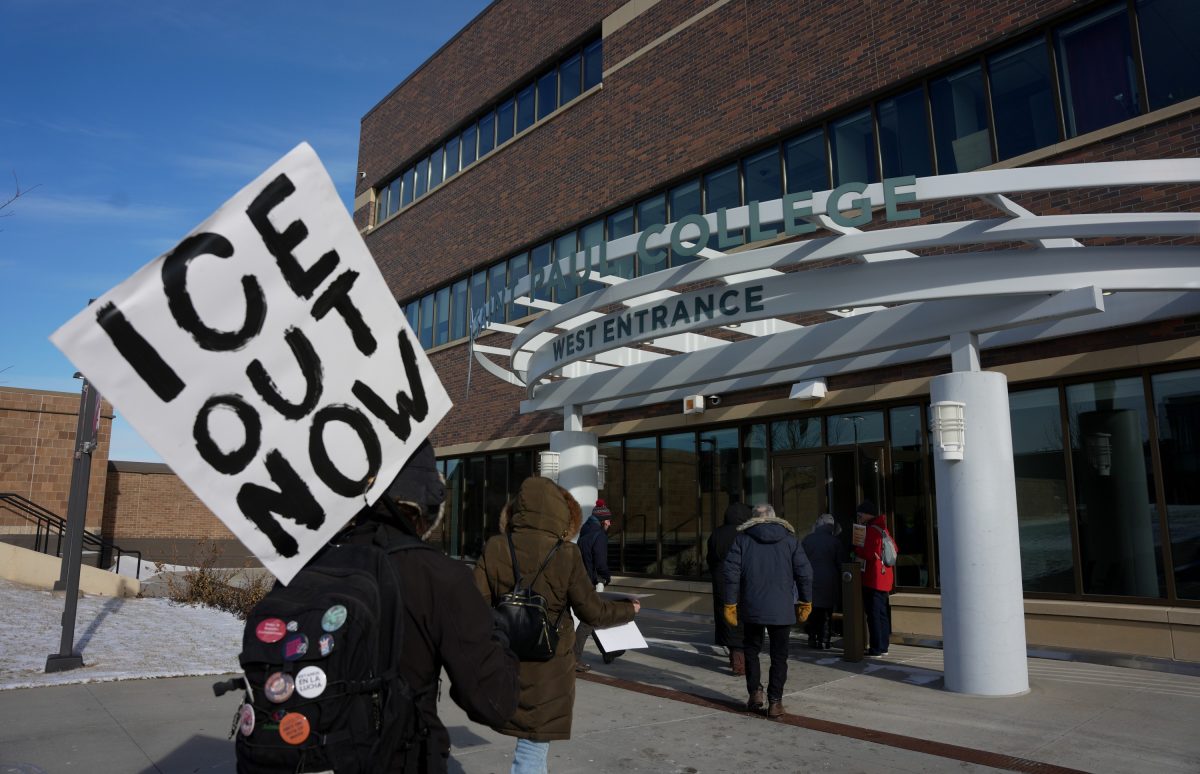
People arrive for an MLK Day rally on Jan. 19, 2026, in St. Paul, Minnesota. (Angelina Katsanis/Associated Press)
Like other Southern Baptist leaders, Mohler emphasized in his rebuke of the protest how the incident had scared children in the congregation. He said the protest left “children and teenagers clearly traumatized.” Yet, he hasn’t found the need to offer moral outrage about the “children and teenagers clearly traumatized” by ICE. In the Twin Cities in recent weeks, ICE agents pepper-sprayed students at their own high school and tear-gassed kids in their car just trying to get home (with their mother having to give CPR to an infant). Other children and teenagers have been separated from their families — either because their parents were kidnapped or they themselves were — and have otherwise been terrorized by ICE agents even when they are U.S. citizens. Just this week, ICE used a five-year-old boy walking home from preschool as bait and then detained him. Of course, this hypocrisy of only caring for some children isn’t new. Enslaver theologians used to claim they wanted to protect the white kids in their community while enslaving, raping, and killing black children and teenagers.
Despite the fact that the four founders of Southern Baptist Theological Seminary were all enslavers (and two fought for the Confederacy), Mohler still insists on affirming their “biblical orthodoxy.” Thus, he rejected calls to remove building names and other honors to those founders since they provided the “founding vision” and injected “their theology into the lifeblood” of the school. On the seminary campus today, Mohler studies in a library named for an enslaver and preaches in a chapel named for an enslaver. What kind of theology does he read and teach there? One that blesses a pastor serving as an ICE field director.
Throughout the Twin Cities and across the country, there are inspiring stories of clergy who are speaking out and standing up in defense of their immigrant neighbors. But then there are also those blessing ICE and even serving as an ICE leader. There’s a deep theological divide in the American church. And like in the 1840s when Baptists, Methodists, and Presbyterians all split over the issue of slavery, we have a choice today. Will we bless those oppressing our neighbors or will we side with justice? Will we serve the empire or get ICE out of our theology?
Brian Kaylor is president & editor-in-chief of Word&Way. You can follow him on Bluesky and YouTube. His latest book is The Bible According to Christian Nationalists: Exploiting Scripture for Political Power.