
Sign up to receive full essays in your inbox!

Featured
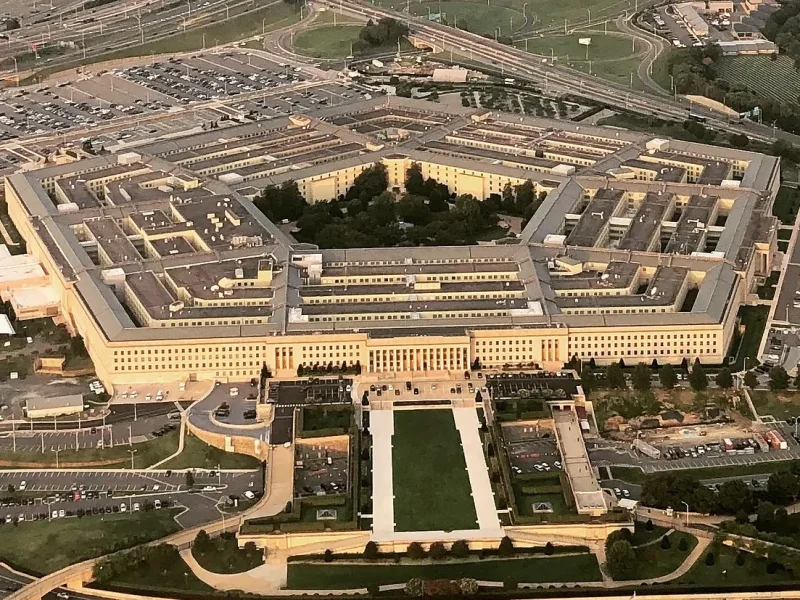
Latest Pentagon Revision of Religion Affiliation Codes Creates Fresh Problems
After complaints by Mormon politicians, a revised list of recognized religions now excludes denominations like the Disciples of Christ and United Church of Christ — whose churches boast membership among the founding fathers.

The Country’s Largest Protestant Adoption Agency Is Dropping LGBTQ Couples — Again
The reversal comes five years after the foster care and adoption agency first agreed to partner with LGBTQ couples.
Review: Baal and the Gods of More
Leading practical theologian Andrew Root reveals how Protestant churches have become dangerously dependent on growth-driven stabilization, a mindset inherited from the industrial revolution's golden era.
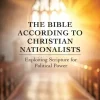
The Bible According to Christian Nationalists
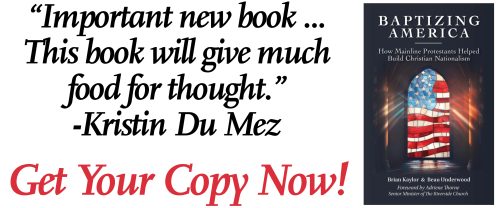
We are excited to announce a new book unpacking seven types of misuses of Scripture by influential preachers and politicians pushing Christian Nationalism today, officially out Oct. 7 from Chalice Press and available for pre-order now.
Church
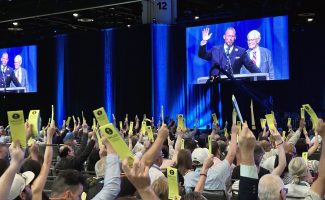
Southern Baptists Pass a Ban on Women Pastors Again. This Time, They Hope It Sticks.
The proposed ban on churches with women pastors or those that allow women to preach was approved by three-quarters of church messengers gathered in Orlando.

The Country’s Largest Protestant Adoption Agency Is Dropping LGBTQ Couples — Again
The reversal comes five years after the foster care and adoption agency first agreed to partner with LGBTQ couples.
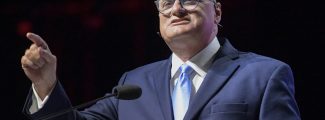
Willy Rice, Florida Pastor and Abuse Crisis Skeptic, Elected SBC President
Rice’s win is a triumph for critics who argue that the nation’s largest Protestant denomination has lost its way in recent years.
Nation
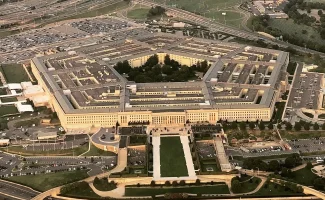
Latest Pentagon Revision of Religion Affiliation Codes Creates Fresh Problems
After complaints by Mormon politicians, a revised list of recognized religions now excludes denominations like the Disciples of Christ and United Church of Christ — whose churches boast membership among the founding fathers.
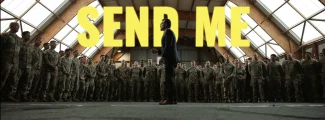
Hegseth Conscripts Call of Prophet Isaiah to Serve U.S. Military Interests
This issue of A Public Witness considers the theological problems with the defense secretary regularly quoting Isaiah 6:8 and how his use of Scripture aligns with Bible quotes in violent movies.
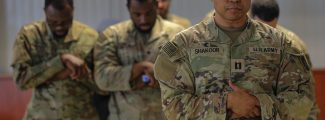
Defense Department Rejiggers List of Recognized Religions After Backlash, Narrows It to 30
The fast-evolving list was met with blowback from critics who suggested its changes were an attempt to impose Christian Nationalism on the military.
World
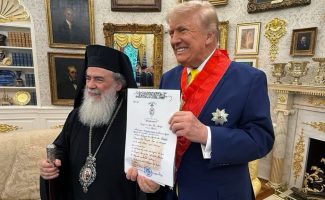
Trump’s Meeting With Orthodox Christian Patriarch Sows Confusion
The Greek Orthodox leader expects to meet with Russian President Vladimir Putin later this month.
Christian Leaders in Lebanese City of Tyre Call for Quick International Action After Israeli Warning
‘The old city is not merely a residential area,’ the clergy said in a statement. ‘It is the historical and human heart of Tyre, home to thousands of civilians, including families, children, and the elderly.’
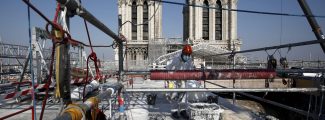
AP Exclusive: Under Notre Dame Cathedral, a ‘Dig of the Century’ Unearths 1,700 Years of History
Among the hundreds of objects already found: a fourth-century coin stamped with the face of the Emperor Constantine, and shards of medieval pottery painted on the inside with marks no expert has yet deciphered.
Editorials
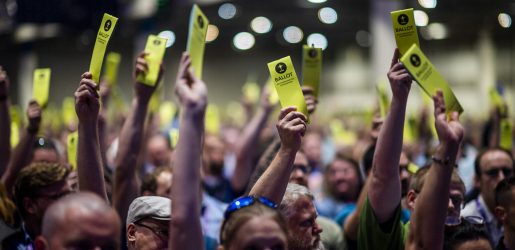
Southern Baptists Want to Shrink First Amendment Protections
Editor-in-Chief Brian Kaylor unpacks a significant problem with a proposed resolution for consideration at the 2026 annual meeting of the Southern Baptist Convention.
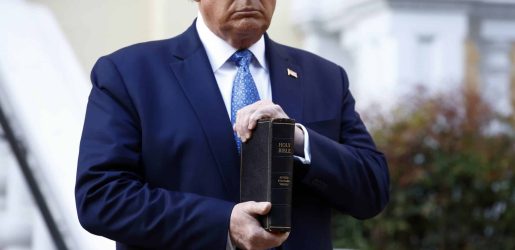
Trump’s Assigned Verse in Bible Marathon Is Red Meat for Christian Nationalists
The choice of ‘Two Chronicles’ is not a coincidence.
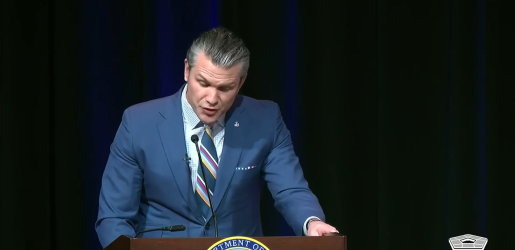
Pete Hegseth’s War Prayer
Editor-in-Chie Brian Kaylor reflects on a recent violent prayer by Pete Hegseth during a Christian worship service at the Pentagon and Mark Twain’s satirical work “The War Prayer.”
Word&Way Voices
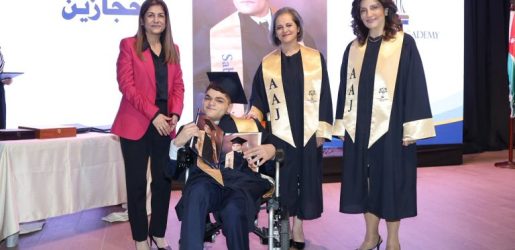
The Challenges of Graduating From a Christian School in the Age of AI
We live in an era saturated with more means of communication than ever before, and yet we also face unprecedented threats to our genuine human connections.
Evangelical Politics and the American Spirit
The desire for a sustainable authoritarianism among MAGA Calvinists, such as the ‘Theobros’ and a coalition of Southern Baptist Reformed leaders, has lovers of democracy sounding the alarm.

‘The Sheep Detectives’ Reveals Holy Mysteries
Besides being an enjoyable and charming moviegoing experience, the new film — based on a German book called ‘Three Bags Full’ by Leonie Swann — is full of unexpected Christian imagery.
E-Newsletter
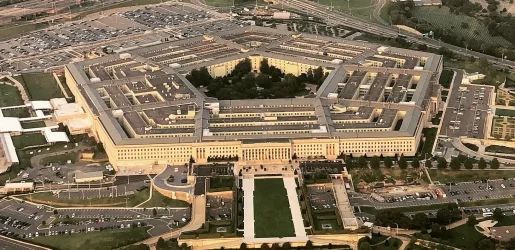
Latest Pentagon Revision of Religion Affiliation Codes Creates Fresh Problems
After complaints by Mormon politicians, a revised list of recognized religions now excludes denominations like the Disciples of Christ and United Church of Christ — whose churches boast membership among the founding fathers.
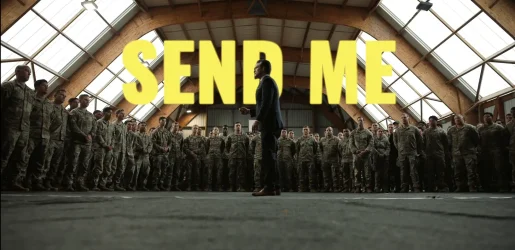
Hegseth Conscripts Call of Prophet Isaiah to Serve U.S. Military Interests
This issue of A Public Witness considers the theological problems with the defense secretary regularly quoting Isaiah 6:8 and how his use of Scripture aligns with Bible quotes in violent movies.

Catholic and Baptist Scholars Critique Christian Nationalism at Villanova Conference
This issue of A Public Witness takes you inside a recent gathering to hear from leading scholars as they offer constructive ways to push back against a dangerous and heretical ideology.
-
Southern Baptists, Women in Ministry, & a Billboard
 In this episode, Word&Way President Brian Kaylor talks with Meredith Stone, executive director of Baptist Women in Ministry. The conversation includes discussion of efforts in the Southern Baptist Convention to further target women serving in churches and how BWIM is advocating for women (including with a billboard to greet SBC messengers next week in Orlando,…
 -
Divergent Visions for Rededicating the Nation
This episode of Dangerous Dogma features a conversation between Word&Way Editor Brian Kaylor, Lutheran minister and journalist Angela Denker, and Disciples pastor and author Beau Underwood. The conversation includes discussion about Rededicate 250, gerrymandering, Adam Hamilton's Senate campaign in Kansas, and the MAHA movement. You can watch a video version of the conversation here. Here are a few pieces… -
The Christian Past That Wasn't
In this episode, Word&Way President Brian Kaylor talks with Warren Throckmorton, a retired professor who has spent years debunking false claims by Christian Nationalist pseudo-historian David Barton. Throckmorton is the author of the new book, The Christian Past that Wasn't: Debunking the Christian Nationalist Myths that Hijack History. You can watch a video version of… -
Trump vs. Leo
This episode of Dangerous Dogma features a conversation between Word&Way Editor Brian Kaylor, Lutheran minister and journalist Angela Denker, and Disciples pastor and author Beau Underwood. The conversation includes discussion about President Donald Trump's attacks on Pope Leo XIV, Leo's witness against the Iran war, Trump's AI image of himself as Jesus, and the electoral… -
Fight Like Jesus with Jason Porterfield (Reissue)
In this episode, Word&Way President Brian Kaylor talks with Jason Porterfield about his book Fight Like Jesus: How Jesus Waged Peace. This episode originally aired in 2023, except for a new introduction noting a violent prayer by Pete Hegseth during a recent Pentagon worship service and Palm Sunday comments by Pope Leo XIV. Note: Don't forget… -
Pete Hegseth's Crusader Bible (A Trick of State)
In this episode, Word&Way President Brian Kaylor considers Secretary of Defense Pete Hegseth's use of the English Standard Version of the Bible, patriarchy in the faith communities Hegseth has been a part of, and his Christian Nationalism. It also reveals that Hegseth's ESV Bible includes two Crusader symbols stamped onto the cover (and that match… -
An Unholy War
This episode of Dangerous Dogma features a conversation between Word&Way Editor Brian Kaylor, Lutheran minister and journalist Angela Denker, and Disciples pastor and author Beau Underwood. The conversation includes discussion about the Iran war, Christian opposition to the war, and viral claims of military leaders claiming this will bring "Armageddon." It also includes consideration of… -
Rewriting the Ten Commandments (A Trick of State)
In this episode, Word&Way President Brian Kaylor looks at legislation across the country that purports to want the Ten Commandments in public school classrooms. But the version mandated by lawmakers cannot be found in any Bible. Kaylor unpacks where the edited language came from, why such legislation is an attack on religious liberty, and the… -
198. American Christianity Divided in Responses to ICE
This episode of Dangerous Dogma features a conversation between Word&Way Editor Brian Kaylor, Lutheran minister and journalist Angela Denker, and Disciples pastor and author Beau Underwood. The conversation includes discussion about ICE actions in Minneapolis, how many clergy are leading protests against ICE while others are supporting ICE, and new research worried about the loss… -
197. Anna Piela and Michael Woolf on Confronting Islamophobia in the Church
In this episode, Word&Way President Brian Kaylor talks with American Baptist ministers Anna Piela and Michael Woolf on Islamophobia, immigration, and how Christians can better engage with interfaith efforts. Anna and Michael are coauthors of the new book, Confronting Islamophobia in the Church: Liturgical Tools for Justice. Watch a video version of this conversation here.…


Books
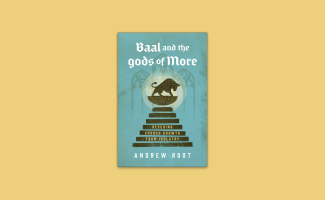
Review: Baal and the Gods of More
Leading practical theologian Andrew Root reveals how Protestant churches have become dangerously dependent on growth-driven stabilization, a mindset inherited from the industrial revolution's golden era.

Review: To Rebehold the Stars
For readers yearning for creative approaches to faith reconstruction, Tiffany Yecke Brooks points the way toward new and deeply meaningful encounters with God.

Summer Reads 2026
For this issue of A Public Witness, we offer our fifth annual list of books recommended by Word&Way writers that will be perfect for wherever you find your happy place this summer.

Review: Better Than Normal
Author and pastor MaryAnn McKibben Dana delivers a powerful critique of society’s restrictive expectations while offering a transformative vision for human flourishing.