
Hispanic Evangelicals Are Turning on Trump. But Will They Vote for Democrats?
In the absence of strong outreach from the Democratic Party, it’s an open question whether Hispanic evangelicals defecting from Trump will hold their nose to vote for Democrats or Republicans — or whether they’ll sit the race out altogether.

Survey Shows a Rise in Christian Nationalism in Britain
The Christian Nationalist movement is relatively new in Britain but has caused concern, including among bishops who have tried to disassociate the established Church of England from it, following large demonstrations and some well-known far-right, anti-migrant activists saying that they have become Christians.
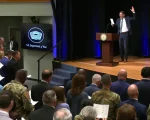
Hegseth’s Pastor Tells Pentagon Leaders ‘God Has Providentially Placed You’ There ‘For Such a Time As This’
With the midterm elections less than two weeks away, Pete Hegseth’s job security is increasingly uncertain — meaning this could be the final Pentagon worship service.

Review: Vulnerable God
Tracing the events of Jesus's life as told in the Bible and the rhythms of the church year, pastor and theologian Kenneth Tanner invites us to recapture our wonder that God has become human.
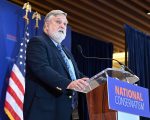
Taxpayers Are Funding Private School Tuition. It’s Helping Classical Christian Schools Expand
Securing public money for private education raises issues over church-state separation but fulfills a longstanding goal for Christian Nationalists like Doug Wilson, who founded the Association of Classical Christian Schools.
Book Recommendation: My Disability is Divine
As a scholar and disability rights advocate, Amy Kenny illuminates aspects of our own lives, our congregations, and our society that continue to harm our neighbors living with disabilities and hold all of us back from enjoying true community.
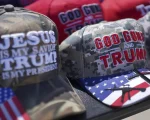
An ‘Empathy Gap’ Divides Americans Ahead of the Midterms, Says PRRI Report
A survey released Tuesday (Oct. 20) found that Republicans and evangelicals increasingly see empathy as a danger that can lead society away from God. The survey found that more than half of Americans see President Trump as a threat to democracy.
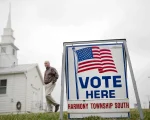
Faith Leaders Unite Across Religions to Counter Voter Intimidation on Election Day
While the idea of poll chaplains has been around for several years, 2026 will likely be different because there is widespread concern that the presence of federal immigration agents could create a chilling effect.

Florida Churches Turn Backpack Drives Into a Gateway to Immigration Advocacy
Beyond supporting families in distress, the group hopes to activate Christians — especially White or English-speaking evangelicals — who have been sitting on the sidelines in aiding immigrants as mass deportations have ramped up.

Reflecting on ‘Pastor Spies’ in Minnesota
This issue of A Public Witness contemplates historical parallels between the Stasi secret police force in East Germany targeting activist Lutheran congregations and DHS agents spying inside ELCA churches today.