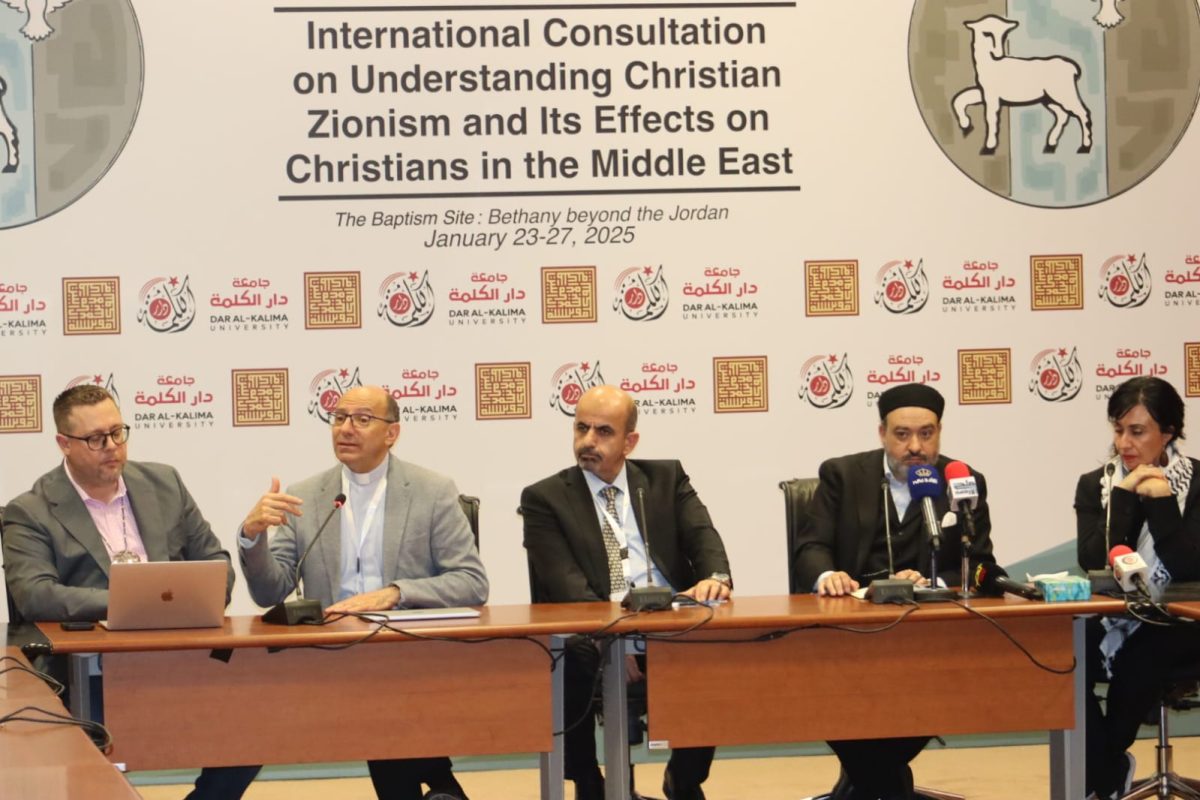
Jordan Hosts Landmark Conference on Christian Zionism’s Impact on Middle Eastern Christians
The event included a keynote presentation by Rev. Dr. Miguel A. De La Torre, who highlighted the dangers of using religious texts to justify oppression.

The event included a keynote presentation by Rev. Dr. Miguel A. De La Torre, who highlighted the dangers of using religious texts to justify oppression.
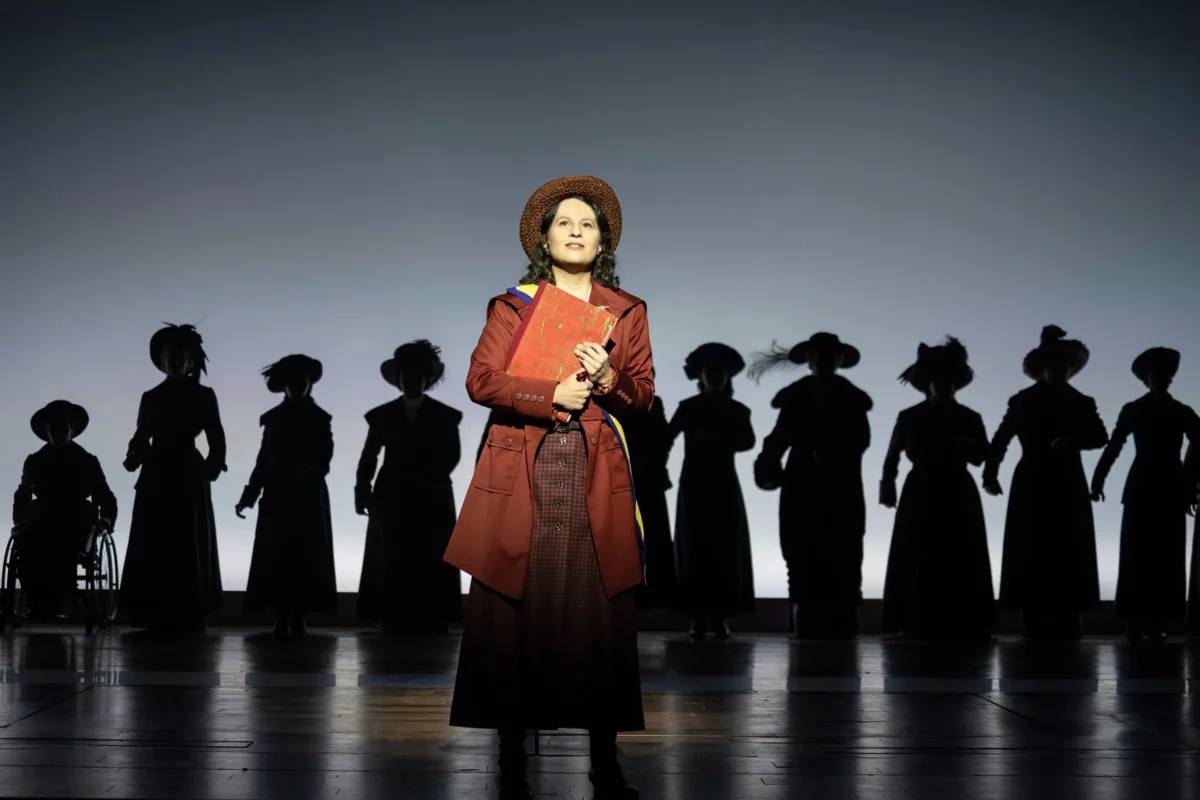
Contributing writer Sarah Blackwell reflects on how we can continue to move forward when equality, respect, and truth seem like they are evaporating in front of us.
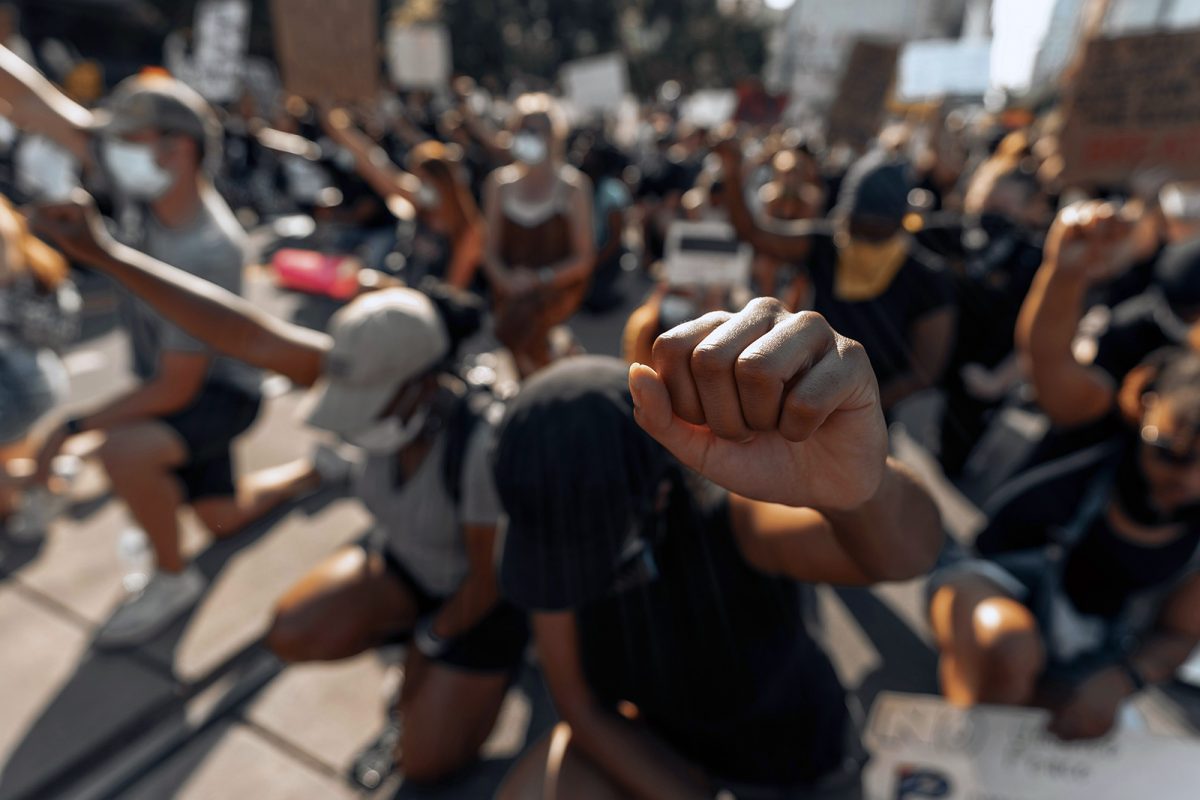
The ministers’ statement also criticized White evangelicals, whom it described as ‘drunk on the religion of White Christian Nationalism.’
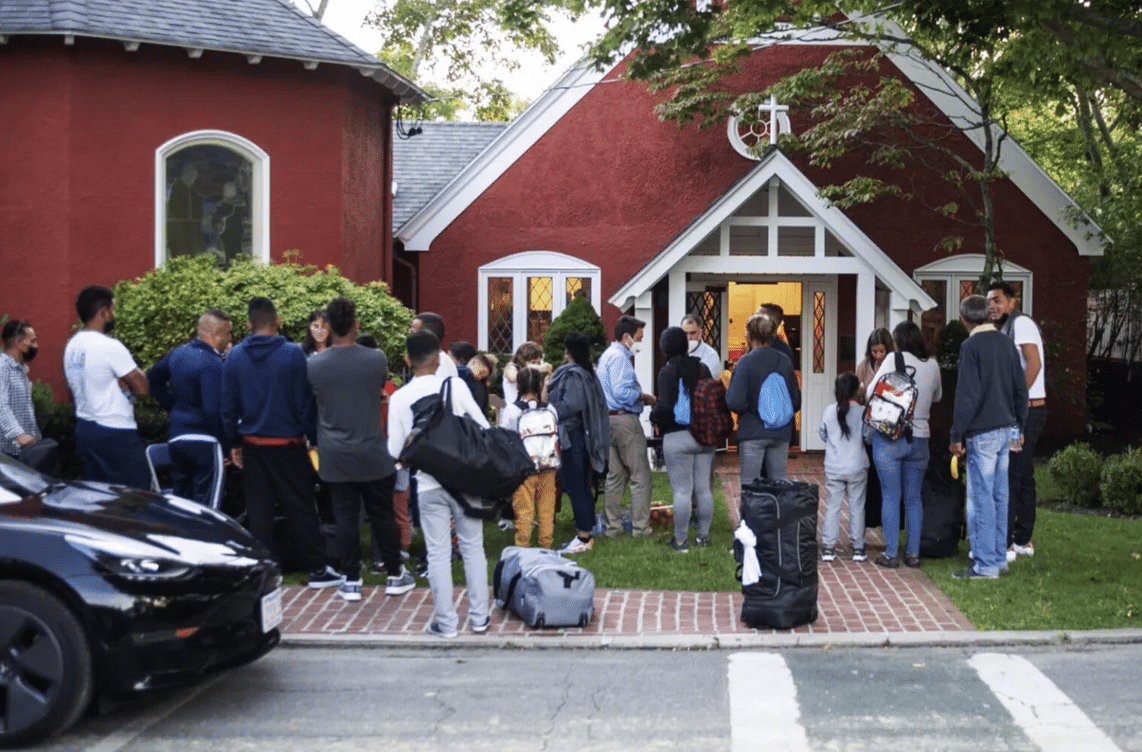
Facing misinformation and decreases in attendance, clergy whose congregations include immigrants are working to prepare their flocks for potential ICE raids while at worship.
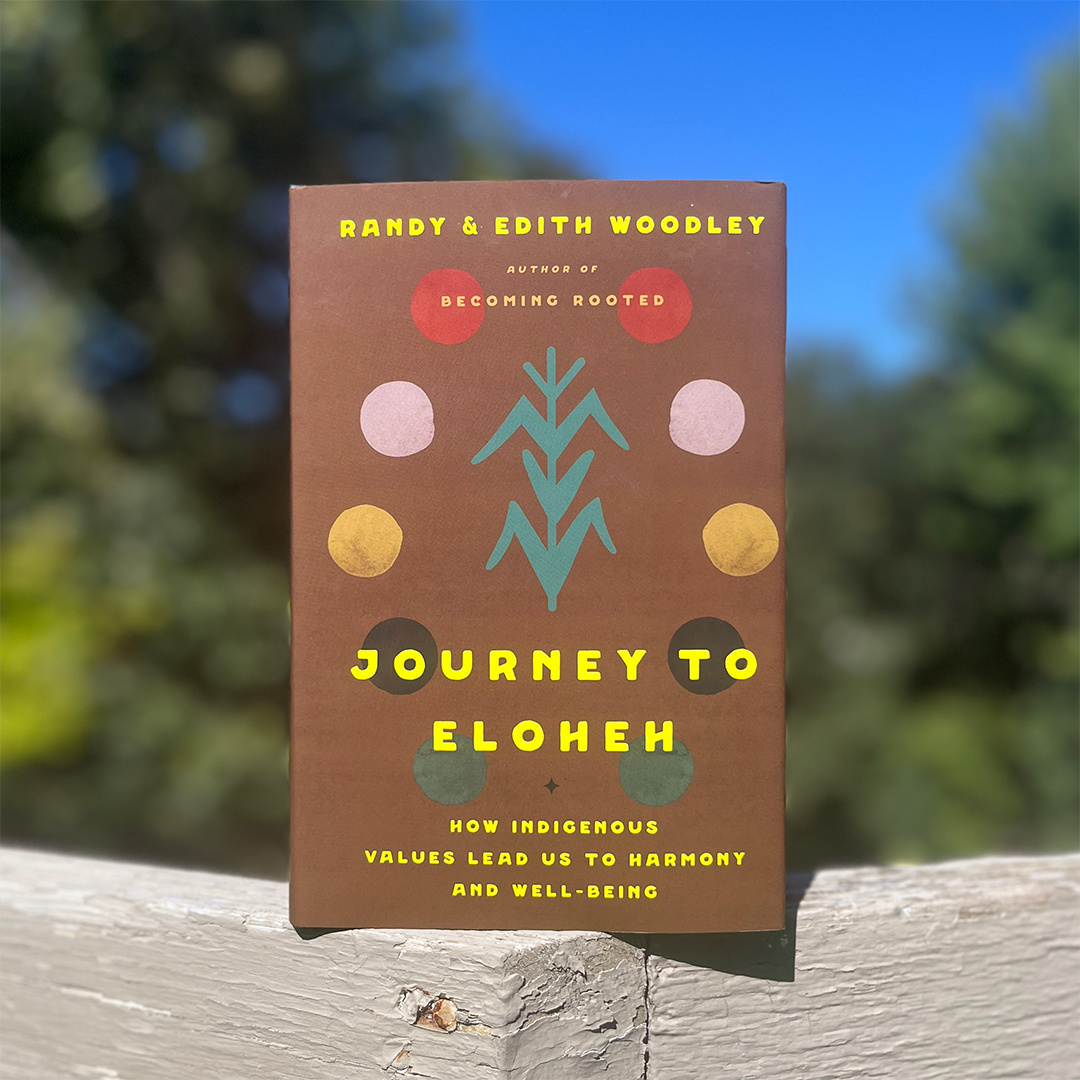
In “Journey to Eloheh: How Indigenous Values Lead Us to Harmony and Well-Being,” Randy and Edith Woodley help readers learn lifeways that lead to true wholeness and justice.

Trump's first term crippled much of the nation's resettlement infrastructure. Now a new executive order threatens to do the same.
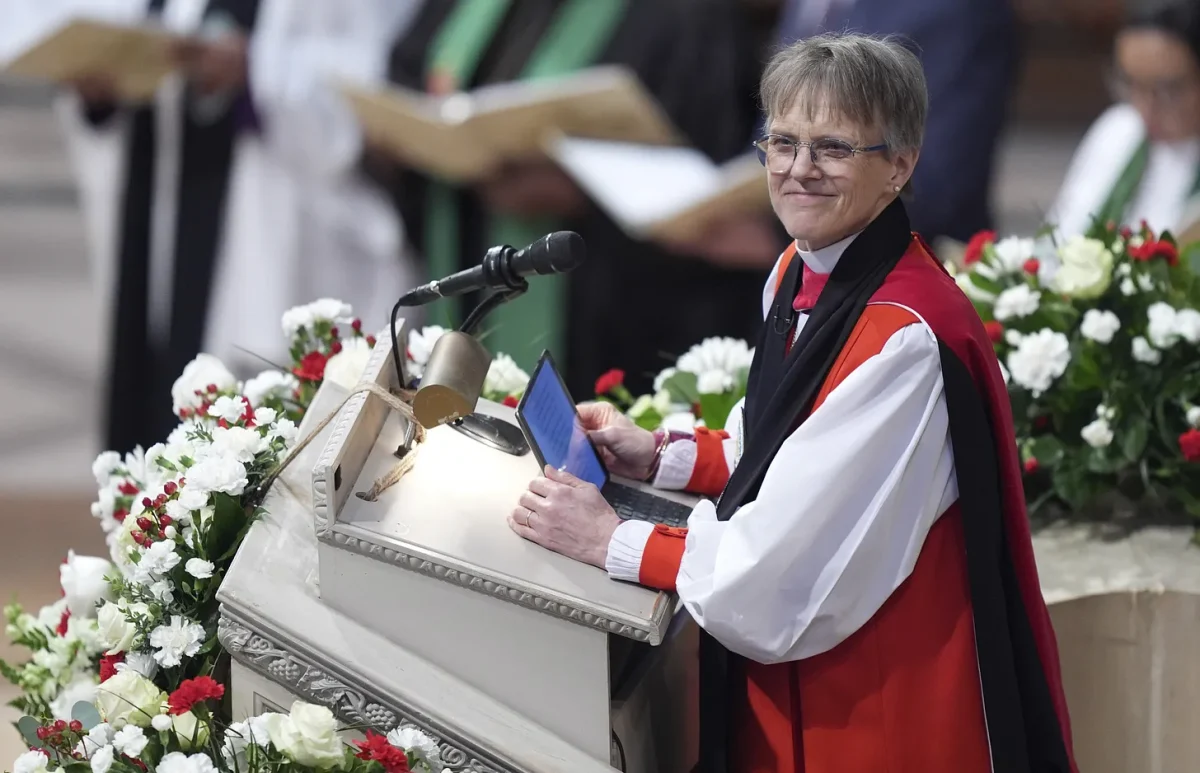
This issue of A Public Witness looks at numerous sermons by Episcopal and other mainline preachers across the country as they reflected on Luke 4, Bishop Budde, and showing mercy.
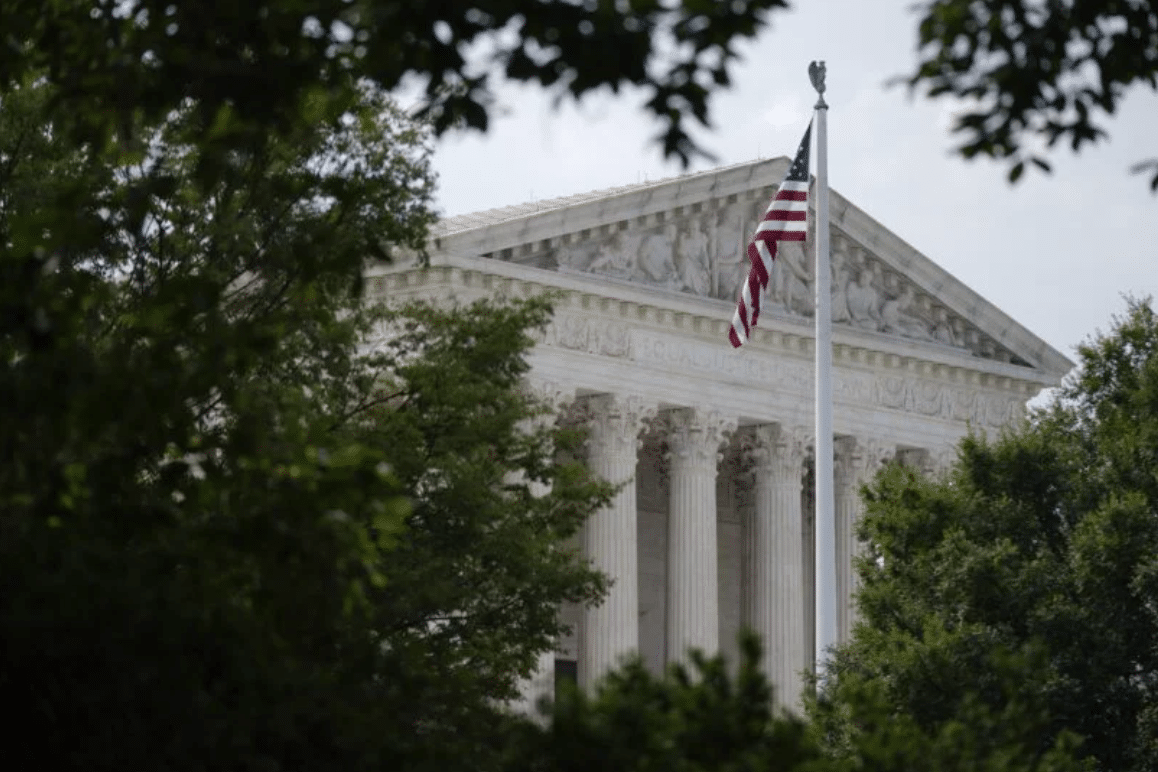
The conservative-dominated high court has issued several decisions in recent years signaling a willingness to allow public funds to flow to religious entities.
This issue of A Public Witness looks at the evolution of the WHO, its religious connections, and why it matters in the face of Trump ordering the U.S. to leave the valuable global agency.
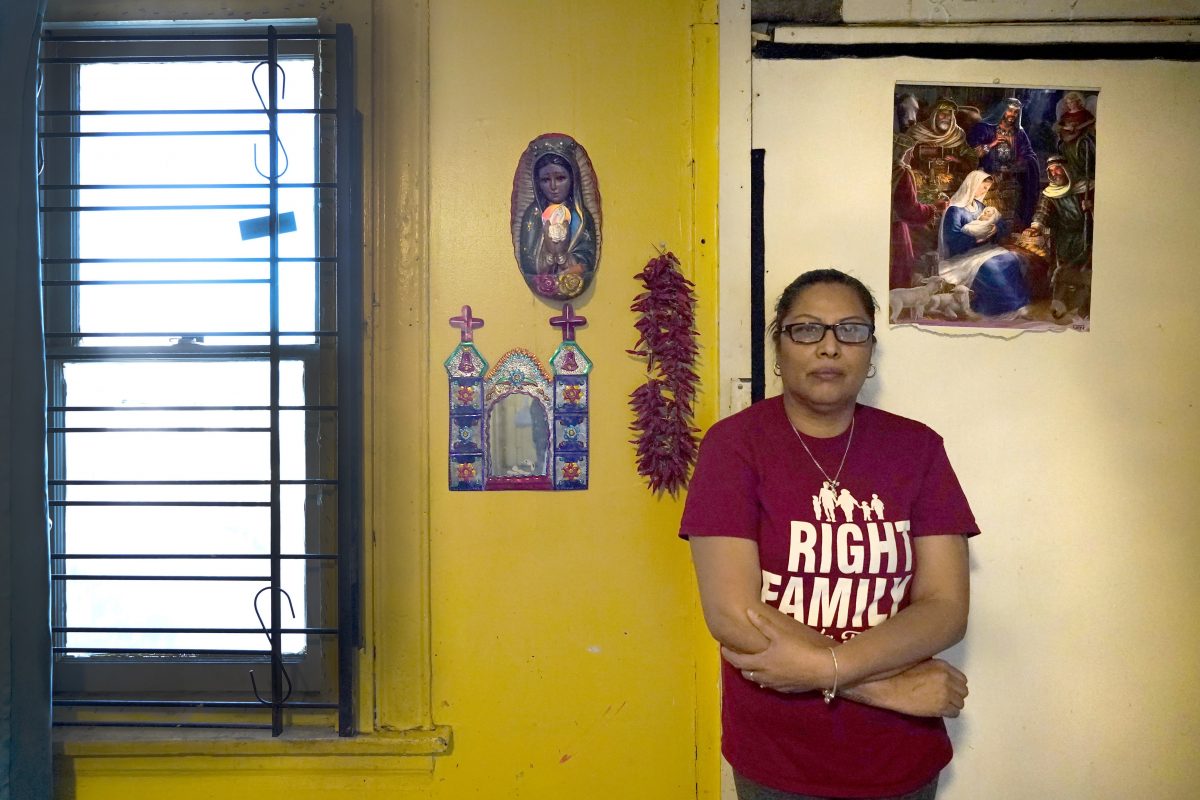
Numerous faith leaders across the U.S. say the immigration crackdown launched by President Donald Trump’s new administration has sown fear within their migrant-friendly congregations.