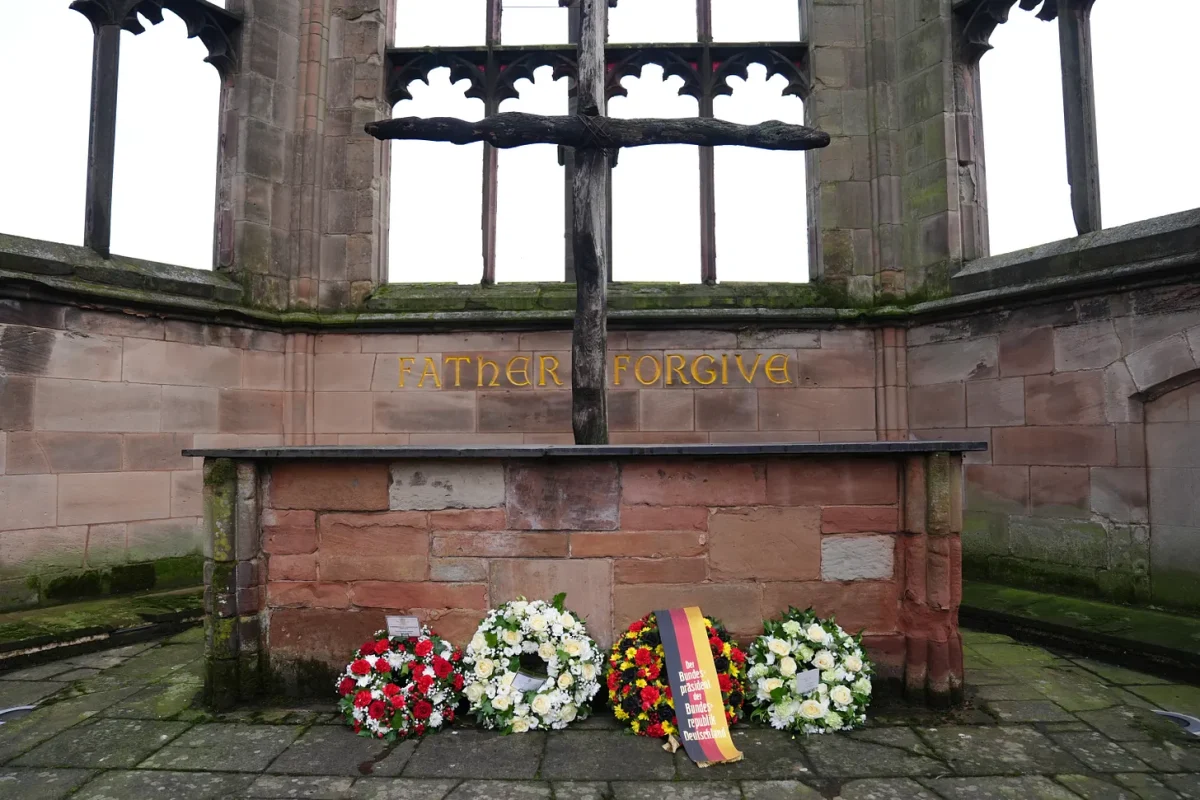
Unsettling Advent 2025, Day 25
In these unsettling times of hatred and violence as rulers rage like Herod, may we stand in the ruins of the empire and lift our voices. For unto us a child is born.

In these unsettling times of hatred and violence as rulers rage like Herod, may we stand in the ruins of the empire and lift our voices. For unto us a child is born.
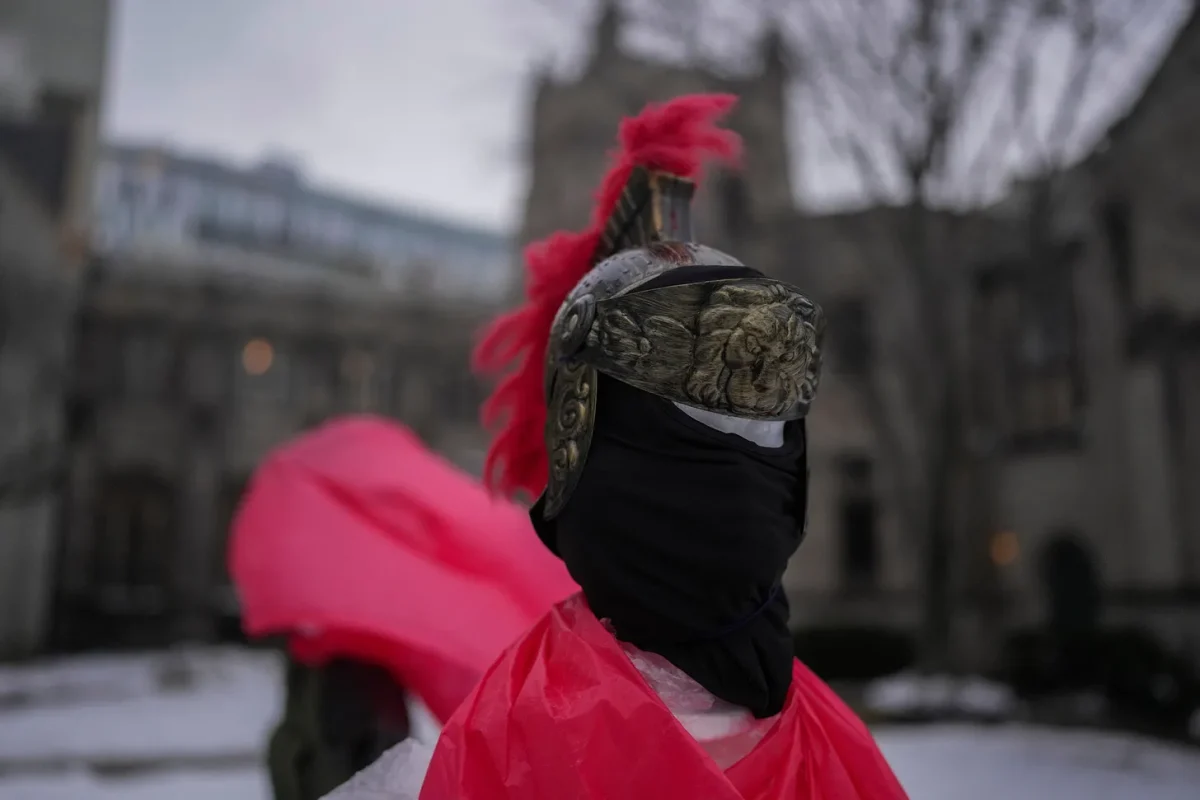
The fake ‘war on Christmas’ examples ginned up by culture war talk show hosts in recent years are nothing compared to misusing the birth of Jesus — and Christmas celebrations in general — to justify anti-immigrant policies.
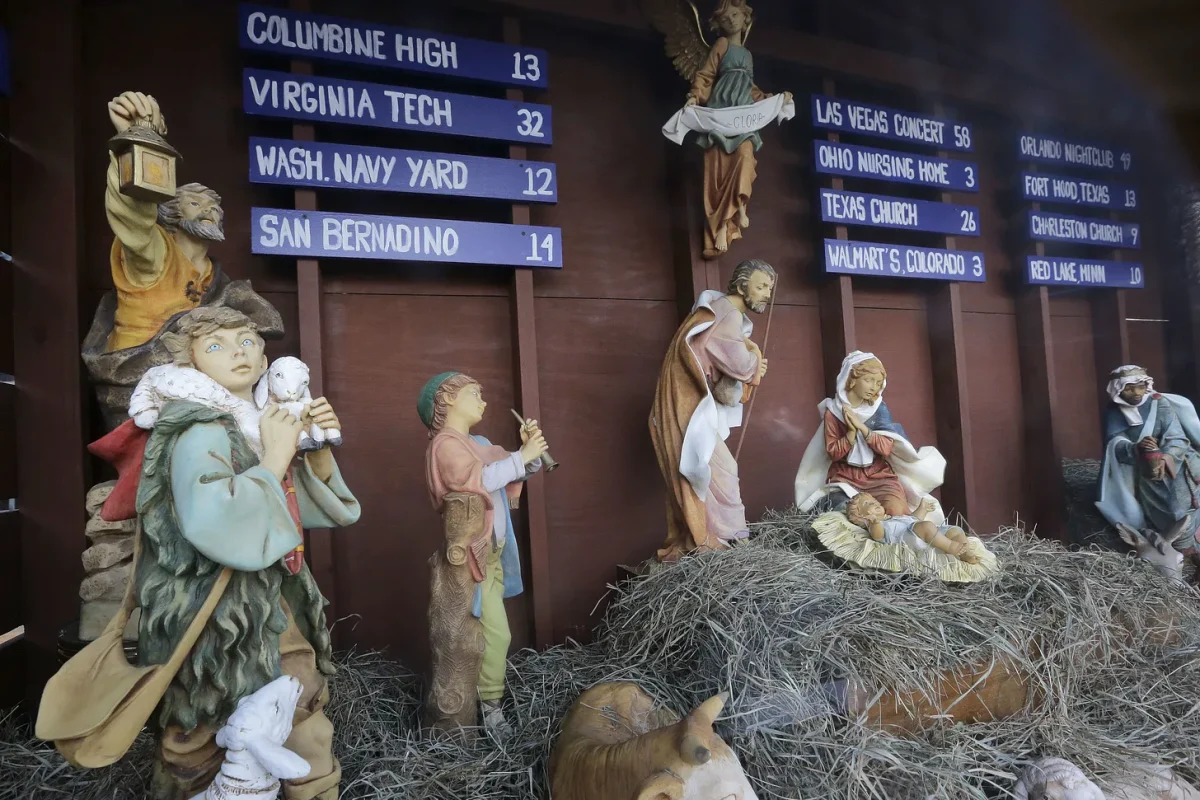
In our familiarity with the birth narrative, we often do not consider the long-term consequences for the secondary figures in the story. It was an unsettling time that left long and permanent scars on their lives.

Advent reminds us that God comes into a world already organized by power and exclusion — and does not accept its terms. If Christianity is used today to justify separation, the gospel calls us back to its center.
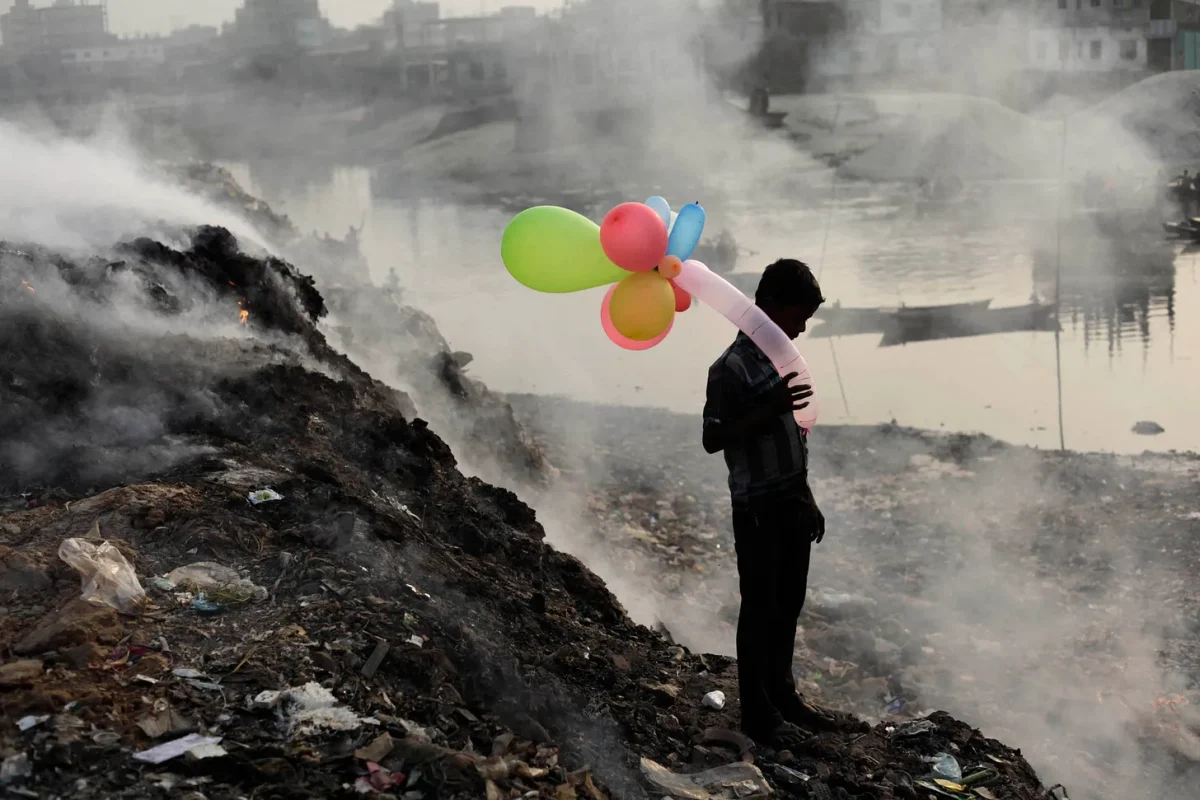
The cruel spectacle churns on for now, but Advent prepares us to see anew that there are countless ordinary acts of love happening quietly, out of sight, more than you and I will ever know.

We should all be concerned about government officials anointing themselves as the arbiters of what a Nativity scene should look like. Sadly, too many Christians today willingly side with Herod.

It must have seemed hopeless in first-century Palestine for plenty of people, but that is where the light of the world chooses to be born. God is still coming into being, even amidst the cruelty of ICE and the terror of state violence.

A difficult pregnancy made it feel like darkness was closing in. But still, there was a tiny burning ember of hope that kept glowing. In the midst of actual and metaphoric scar tissue from years of losses, something miraculous happened.
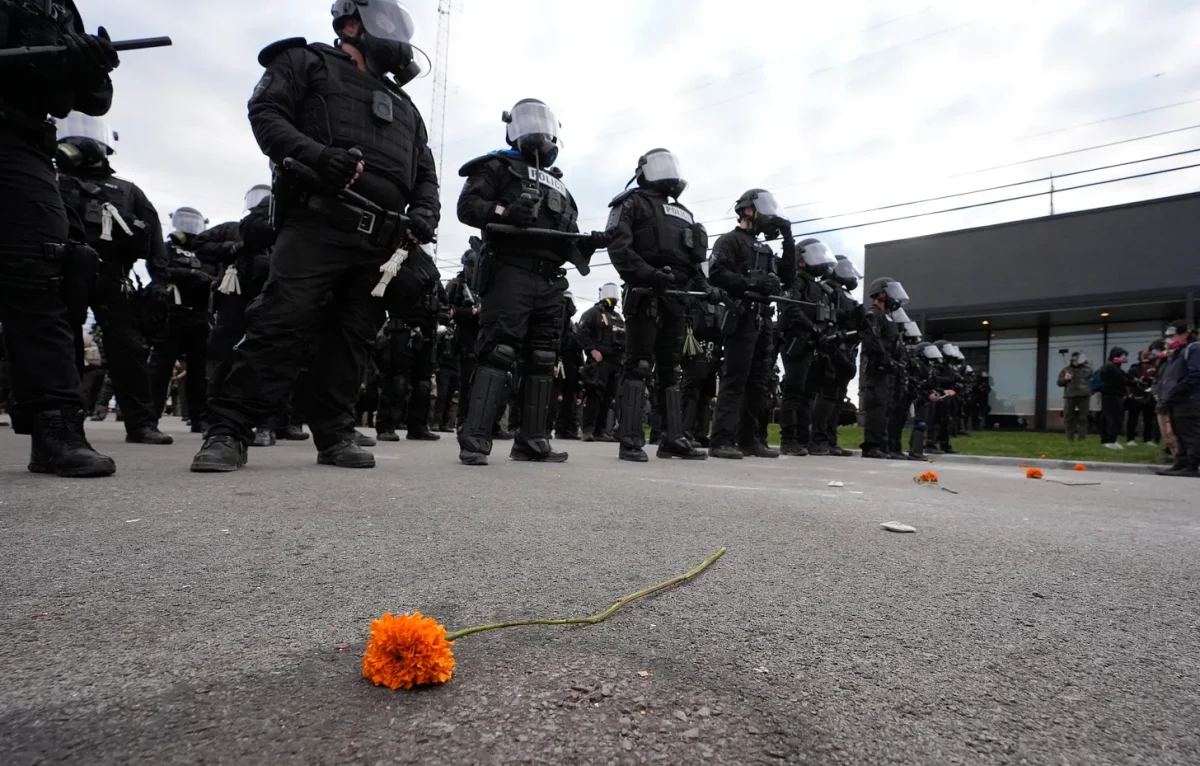
Jesus didn’t say ‘peace’ because the disciples were safe or because the soldiers went away, but precisely because they were waiting outside and yet peace was still possible.
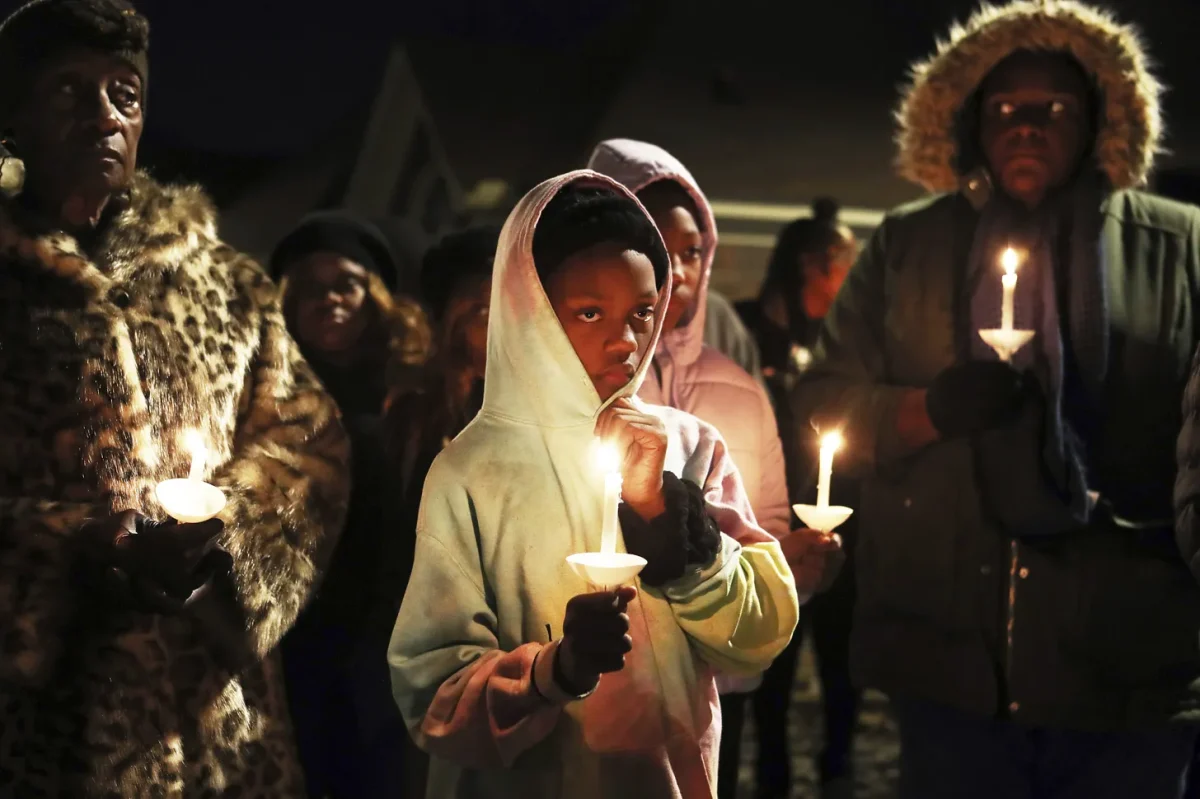
The season of Advent urges us to slow down; to dwell in the fullness of God’s good news. God offers us life-affirming joy even as calamity follows crisis like an ever-unspooling tragedy.