
America Has Eye Trouble
The ICE shooting in Minneapolis, like the Jan. 6 insurrection, brings into sharp relief two different visions in America. Many of us now filter what we see through a pair of political eyeglasses, blurring facts with ideology.

The ICE shooting in Minneapolis, like the Jan. 6 insurrection, brings into sharp relief two different visions in America. Many of us now filter what we see through a pair of political eyeglasses, blurring facts with ideology.
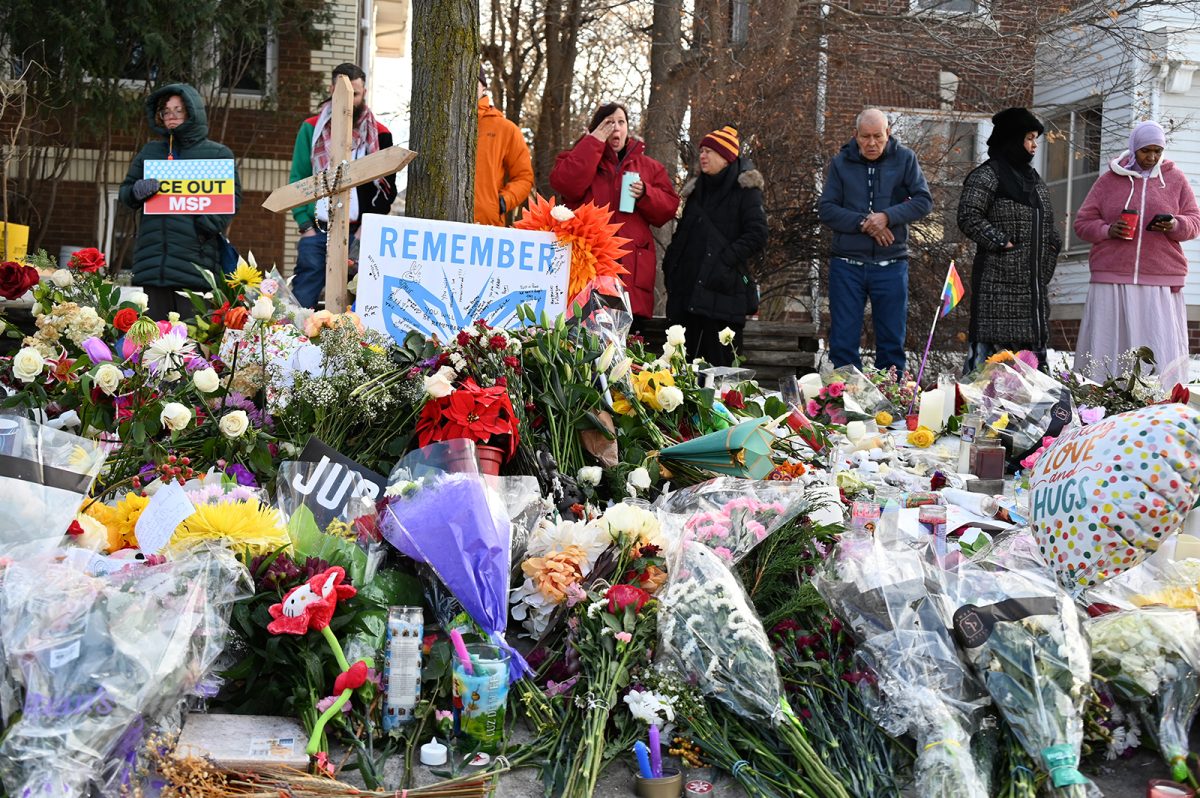
The Presbyterian Office of Public Witness, part of the Presbyterian Church (USA), says Good is part of ‘a sacred lineage of faithful witnesses who have risked and lost their lives in defense of human dignity.’
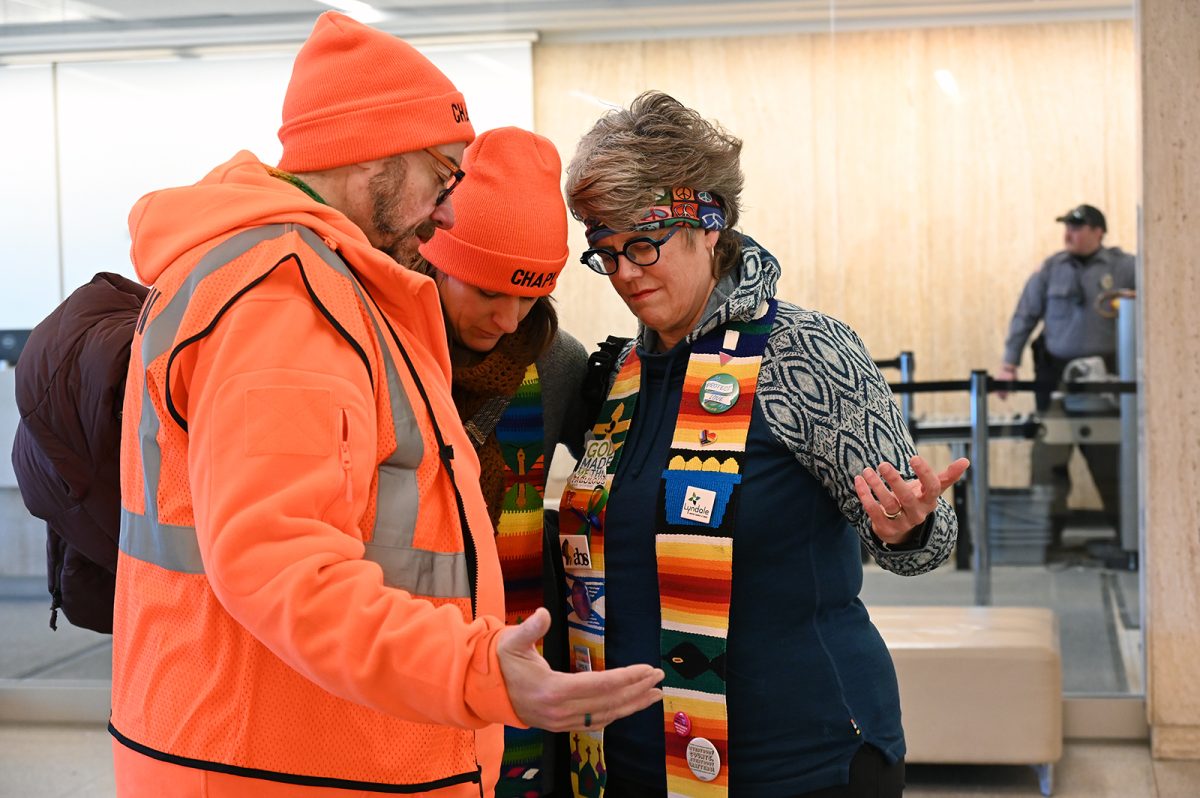
The question of offering pastoral care to immigrant detainees has become a theological and legal flashpoint since President Donald Trump launched his mass deportation effort last year.
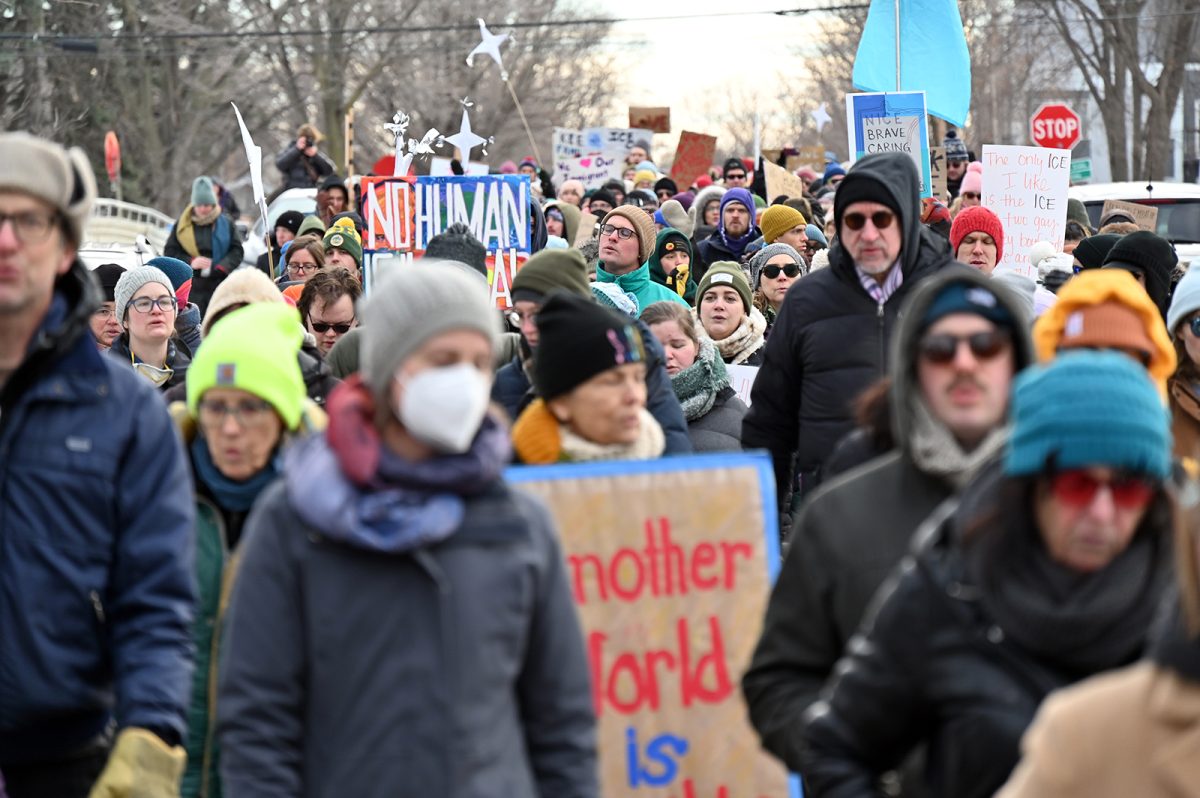
Worshippers took a moment to pause, mourn, and sing, even as they continued to organize resistance efforts against ICE's escalated presence in Minneapolis.
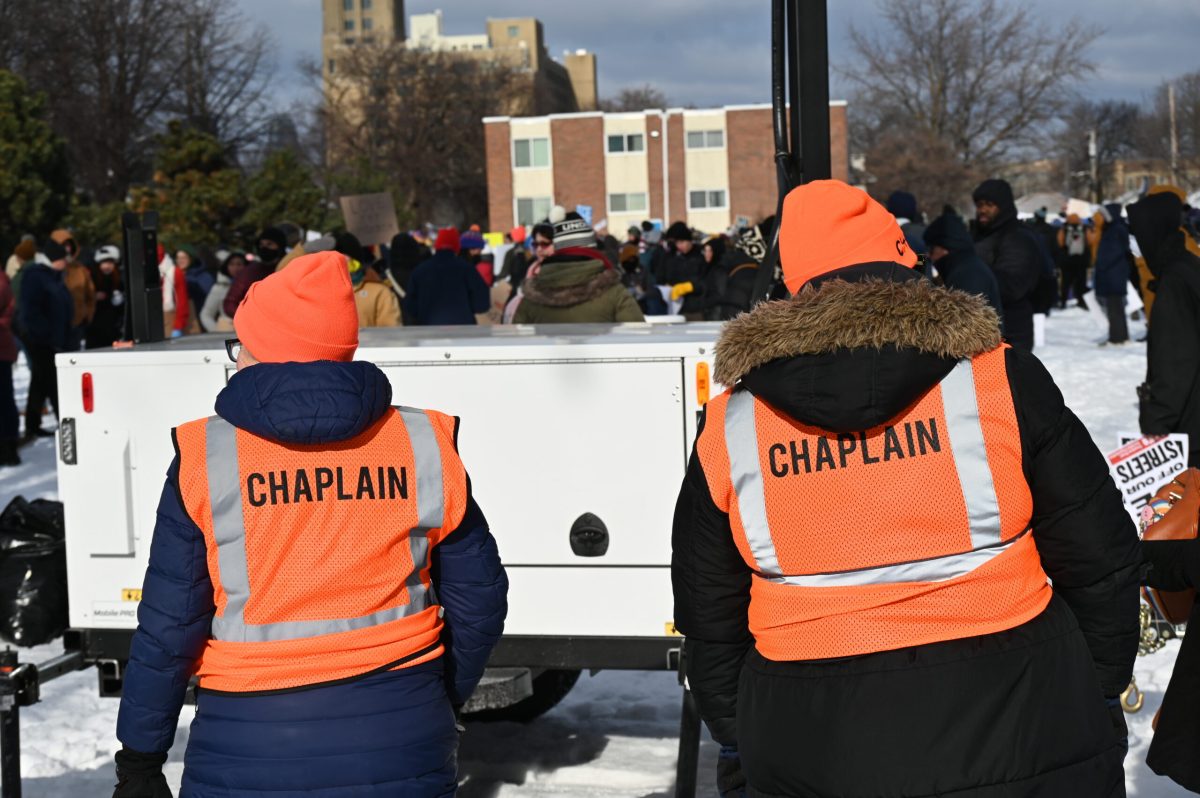
The faith-based networks, which developed organizing infrastructure and relationships during the Floyd era, are joined by newcomers as resistance efforts have intensified since Good’s shooting.

From the beginning, the U.S. has prided itself on being a haven for persecuted believers. But it has also demanded those believers demonstrate their loyalty in ways that blur the line between conscience and citizenship.
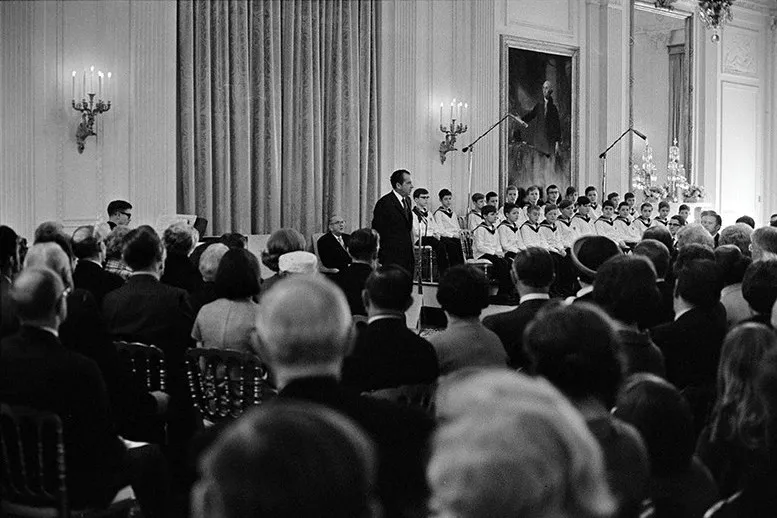
With the growth of worship services by leaders in a Christian Nationalist administration, it’s worth revisiting the most significant previous effort to craft religion within the federal government: the church of Nixon.
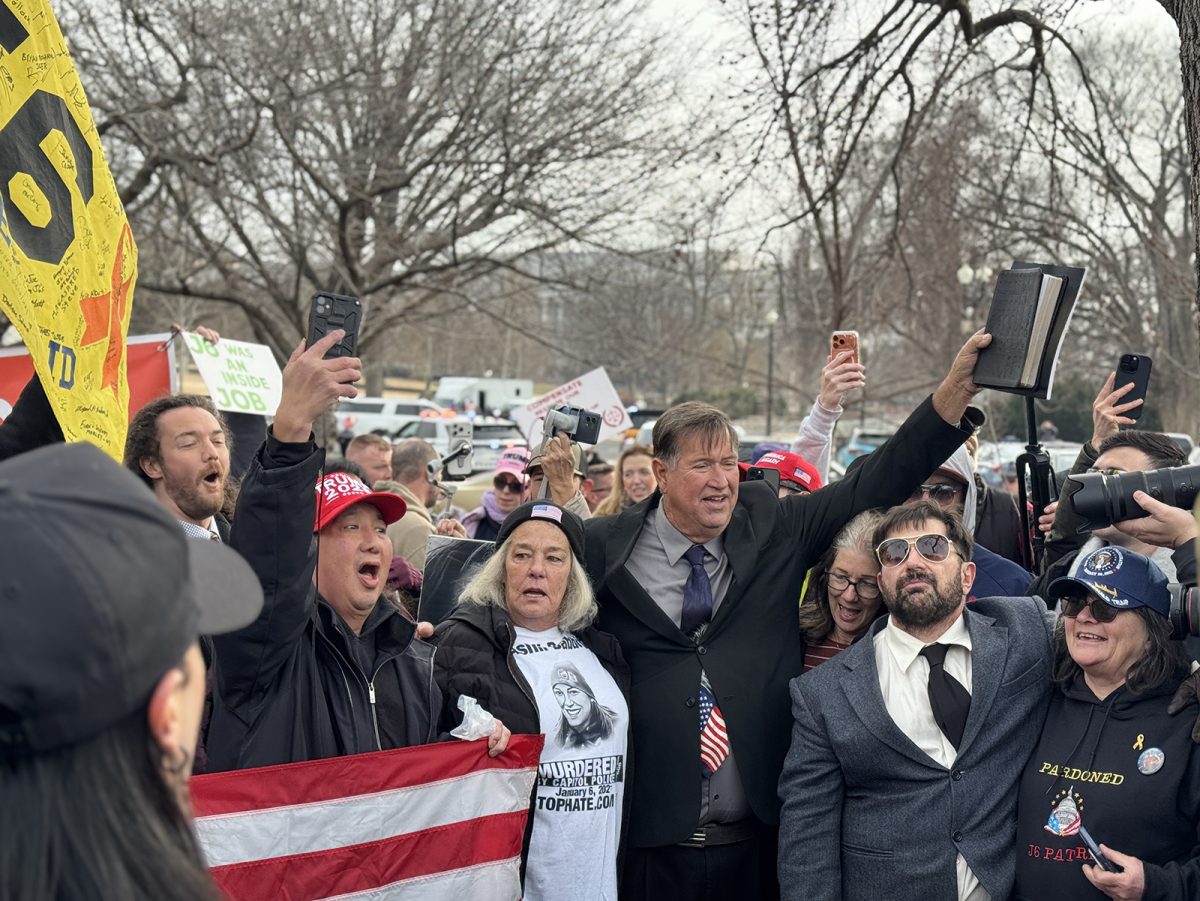
A mile apart, supporters of the Jan. 6 rioters and clergy whose churches were assaulted five years ago, commemorated the historic events at the U.S. Capitol.
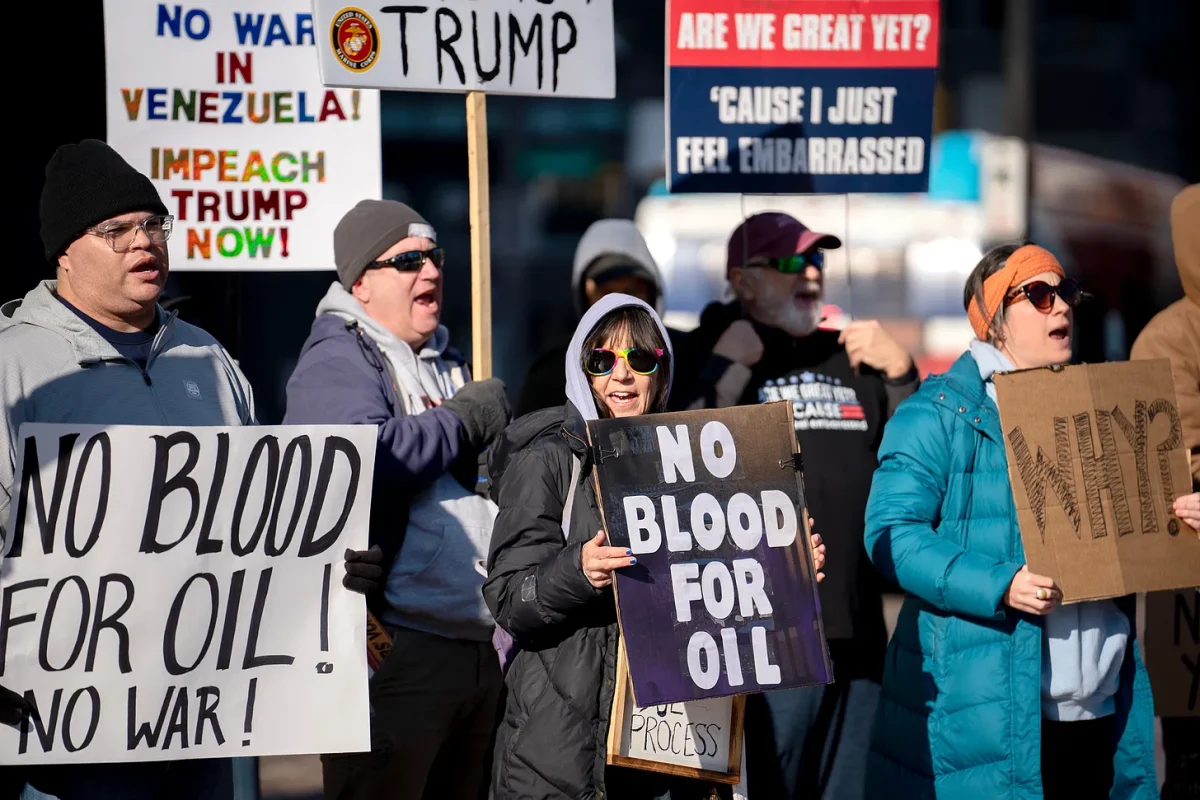
This issue of A Public Witness looks at criticism of the Trump administration’s actions in Venezuela by various Christian denominations and organizations, as well as pleas for peace by Venezuelan Christian leaders.
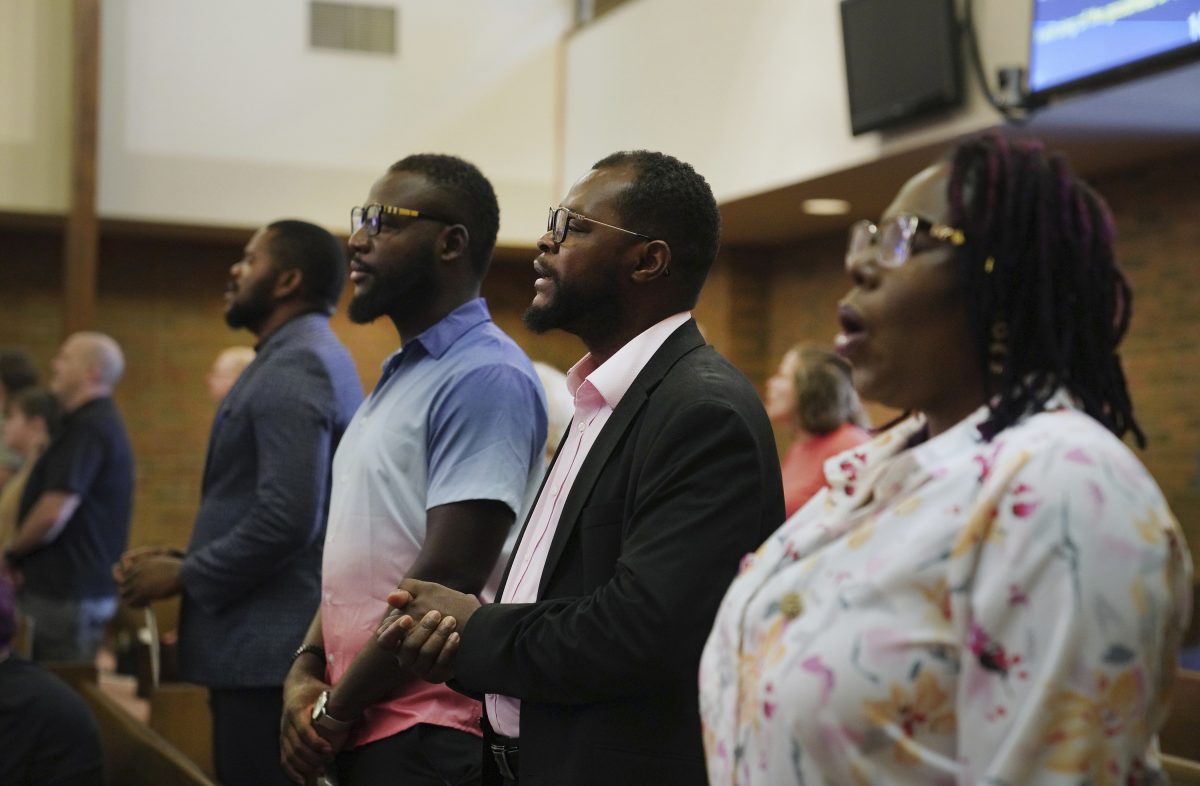
President Trump has become harsher with his contemptuous rhetoric and policy proposals, blaming immigrants for problems from crime to housing shortages and demanding “REVERSE MIGRATION.”