Contributing writer Sarah Blackwell explores the importance of ‘theodiversity’ on college campuses, where student ministries are often dominated by conservative evangelicals.
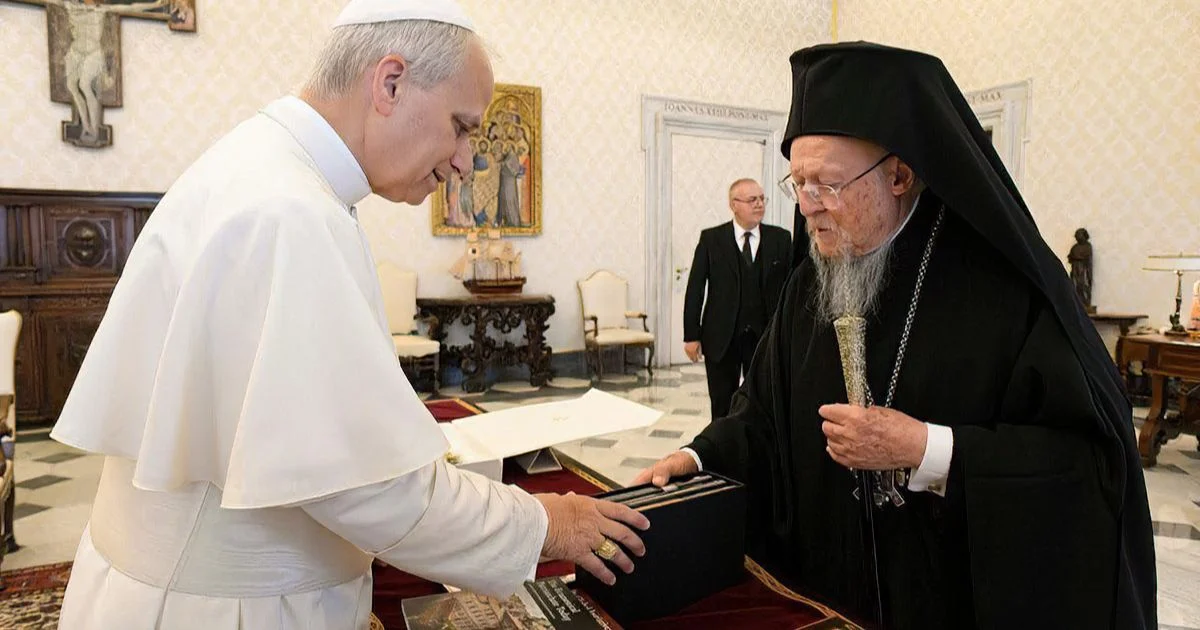
On the anniversary of the Council of Nicaea, the two Christian leaders pledged to unify their churches while warning world leaders to halt the spread of war and care for the environment.
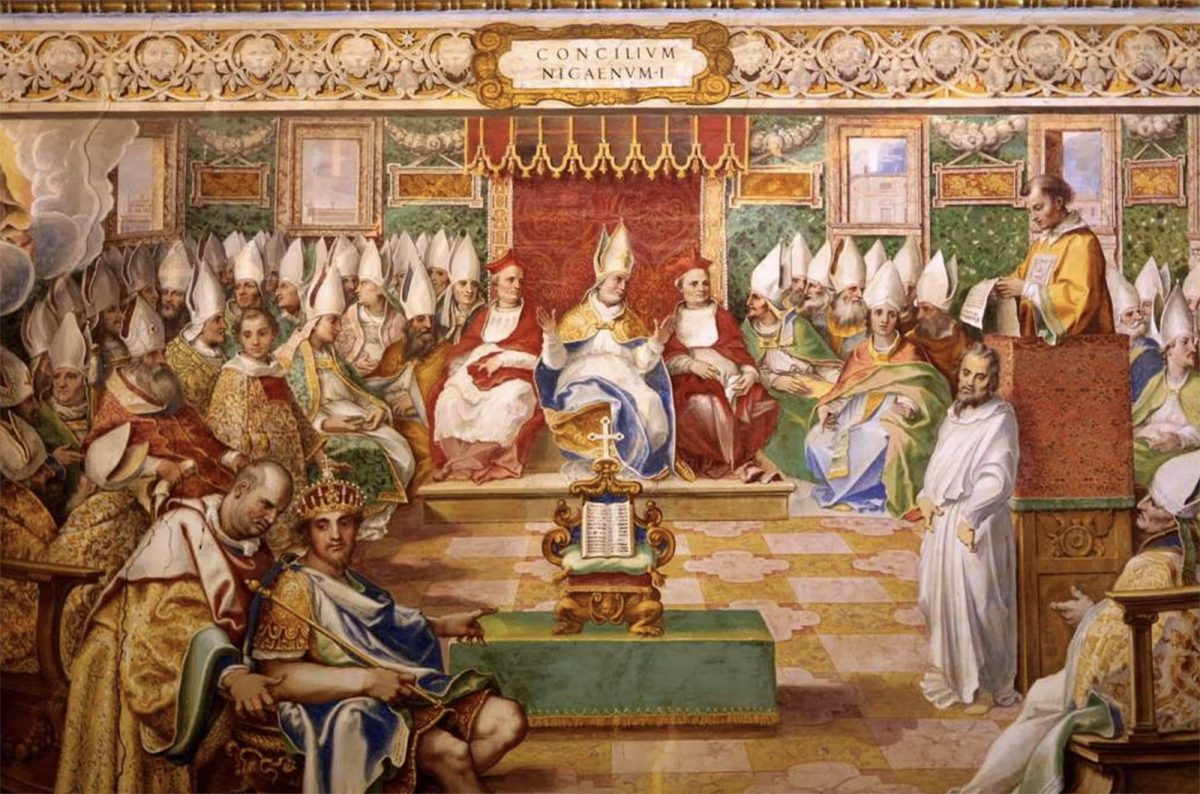
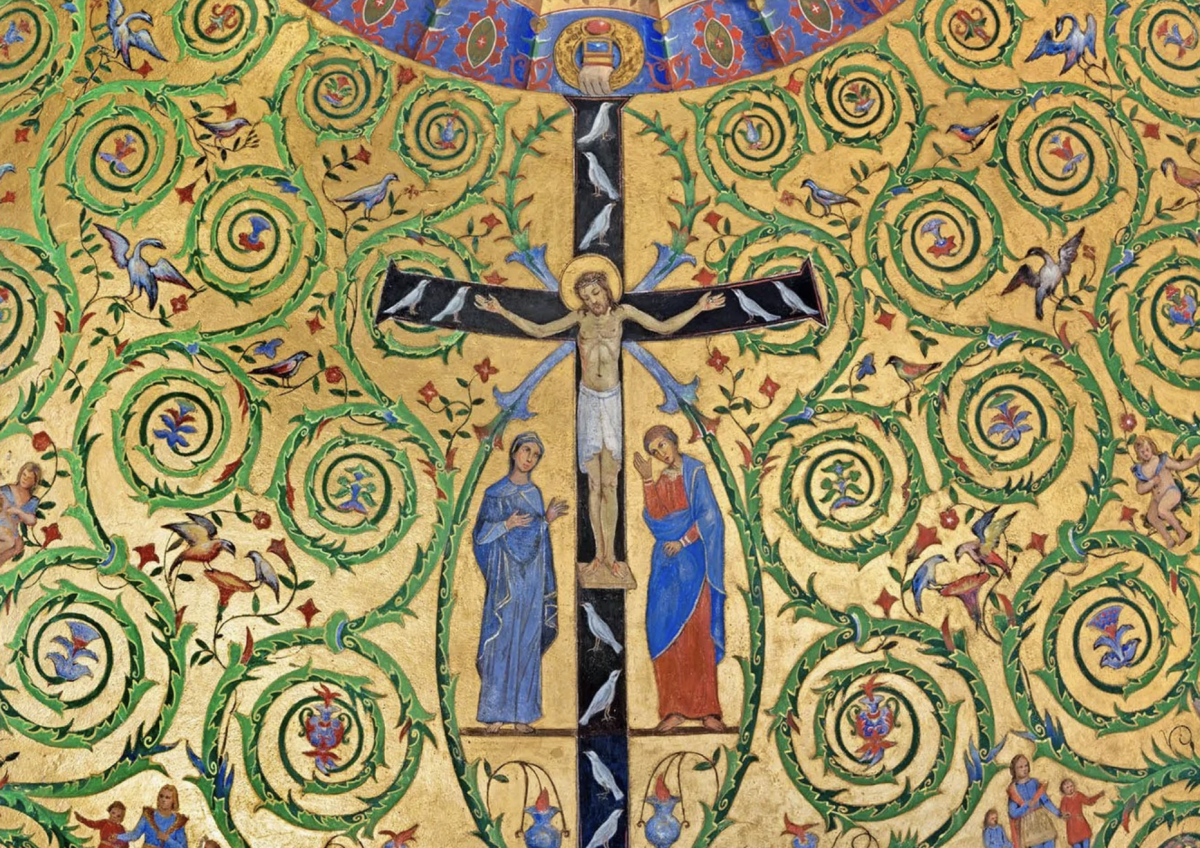
Catholic, Orthodox, and most historic Protestant groups accept the Nicene Creed. Despite later schisms over doctrine and other factors, Nicaea remains a point of agreement — the most widely accepted creed in Christendom.
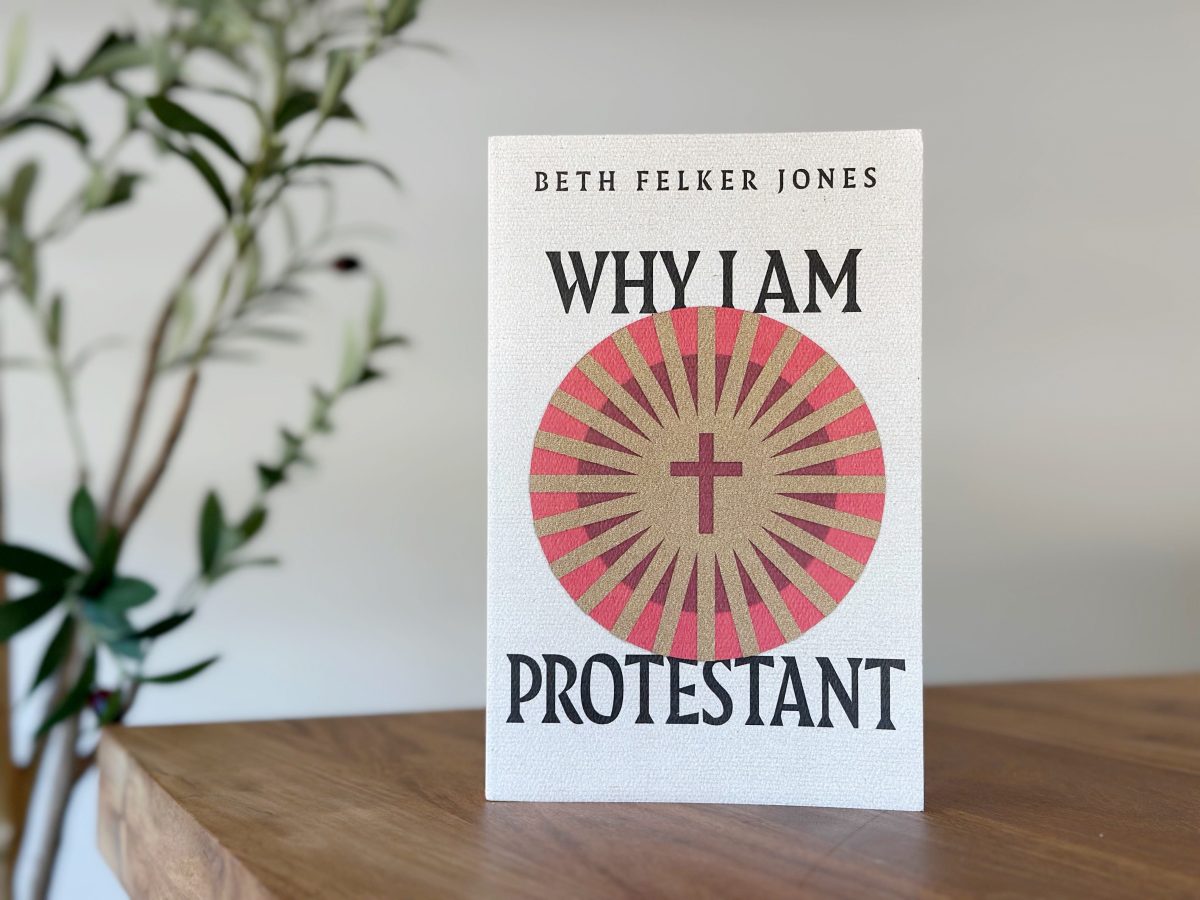
Beth Felker Jones offers a theologically grounded reflection on the beauty and complexity of the Protestant tradition, inviting a deeper understanding of Protestantism and its place in the broader Christian community.
In this book, Baptist theologian Myles Werntz explores the landscape of twentieth-century ecclesiology and shows how the four marks of the church were remade, contested, and reaffirmed in surprising ways.
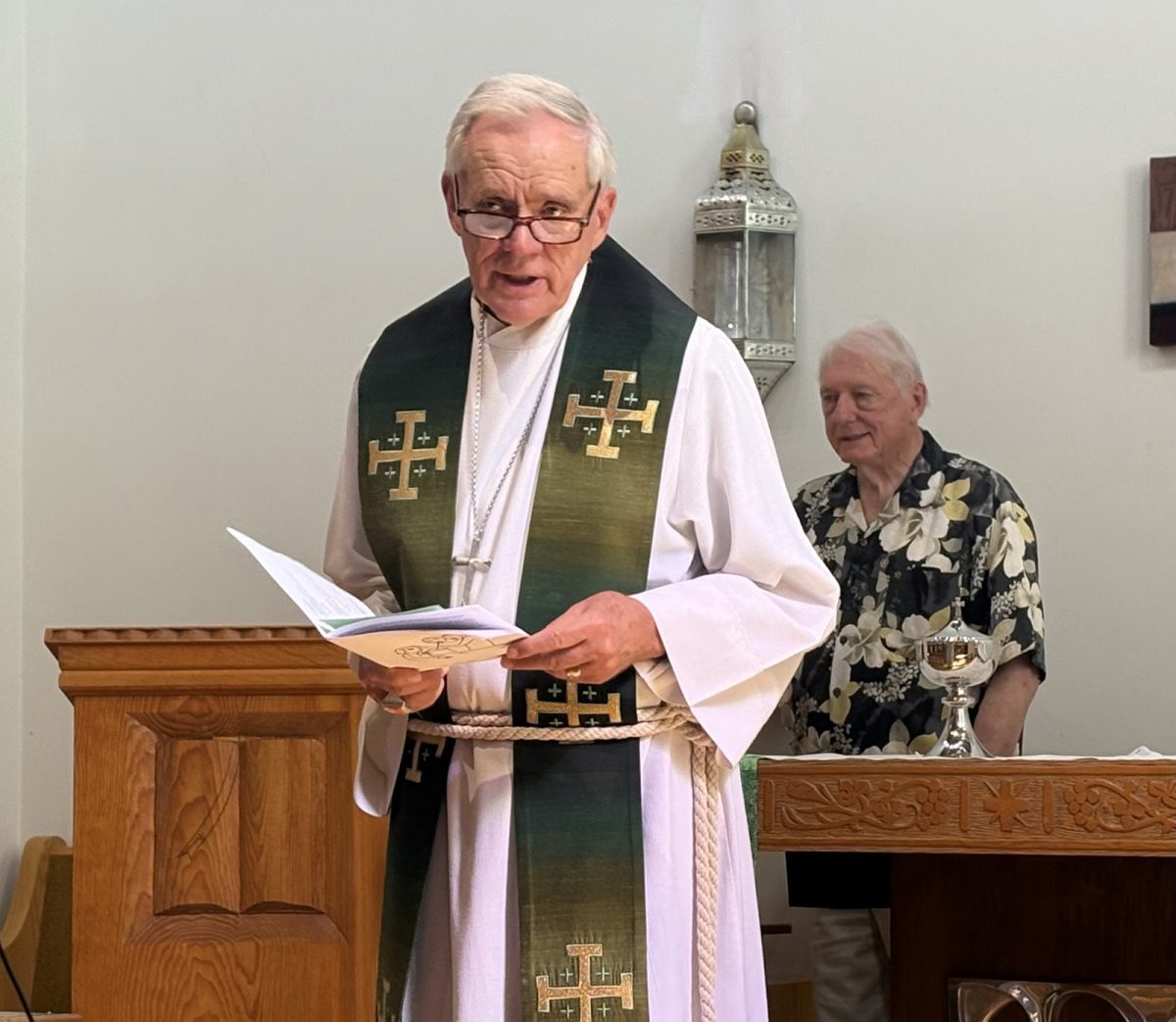
‘I don’t know how many strategic plans I’ve led, and I tell people I’m never going to do another one because events simply wipe them out,’ said the Rev. Wes Granberg-Michaelson.
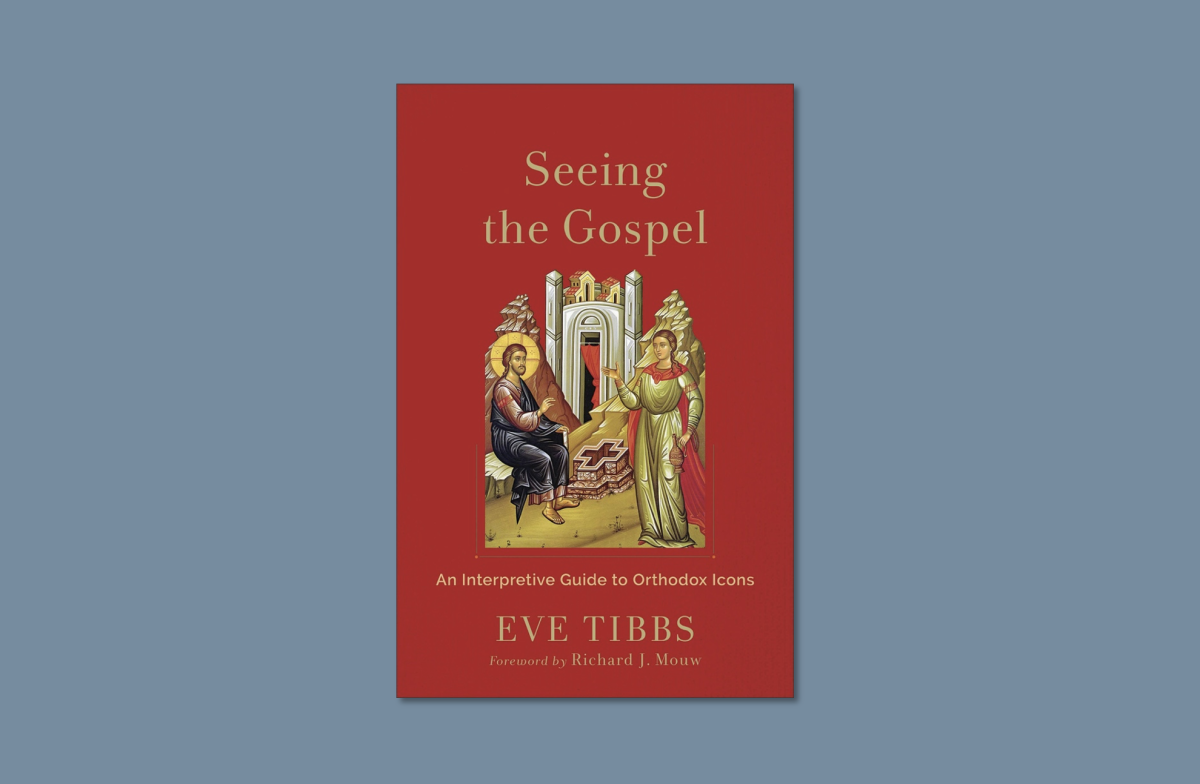
This new book makes the case that learning to read Orthodox icons can offer Protestants an opportunity to engage with Scripture through the fresh lens of a visual biblical language.
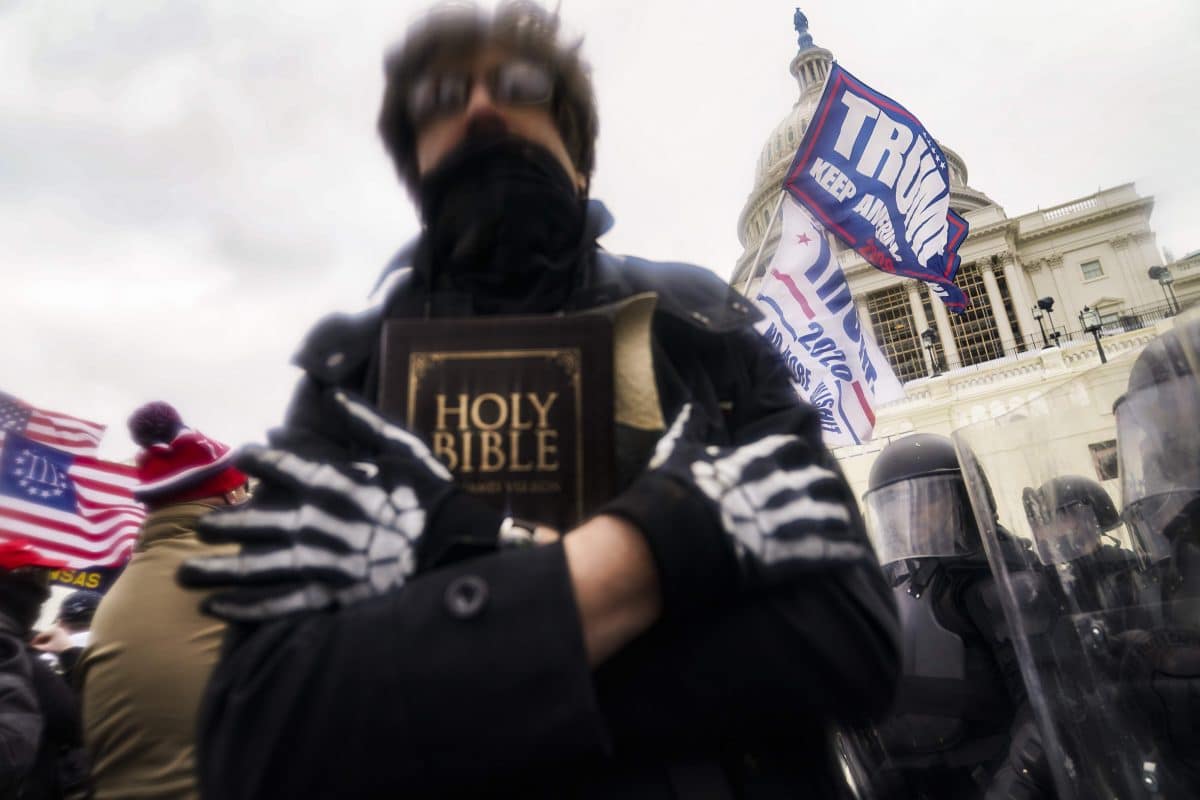
This issue of A Public Witness features a guest essay centered on four creative proposals to disrupt Christian Nationalism within a distinctively Christian vernacular.
Campbell, who also was the director of religion at the Chautauqua Institution, was described as 'an extraordinary ecumenist and activist' by Bishop Vashti McKenzie, the current NCC general secretary.