‘The Devil Is Going To Be in the Details’ of Public School Bible Courses in Missouri
A Missouri bill could encourage more public schools to teach the Bible. But designing a course that respects students’ First Amendment rights can be tricky.

A Missouri bill could encourage more public schools to teach the Bible. But designing a course that respects students’ First Amendment rights can be tricky.
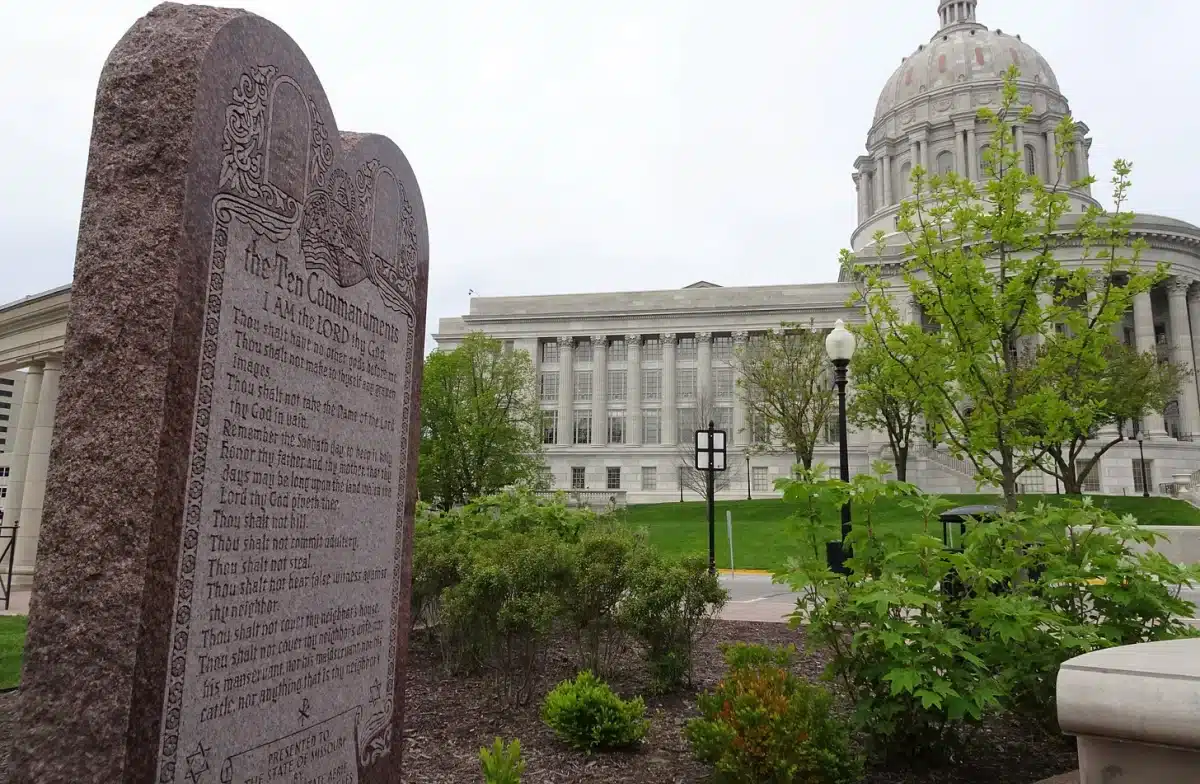
This issue of A Public Witness conjures up the righteous indignation of Charlton Heston as Moses to look at the dangerous push for the Ten Commandments in public schools.
The Stanley M. Herzog Charitable Foundation has awarded grants to schools that exclude LGBTQ students and families and paid for creationist science teacher training.
Multigenerational Texan and seminarian Christopher Symms details the religious aspects of the political fight in his state over what Governor Greg Abbott calls the “woke agendas in schools."
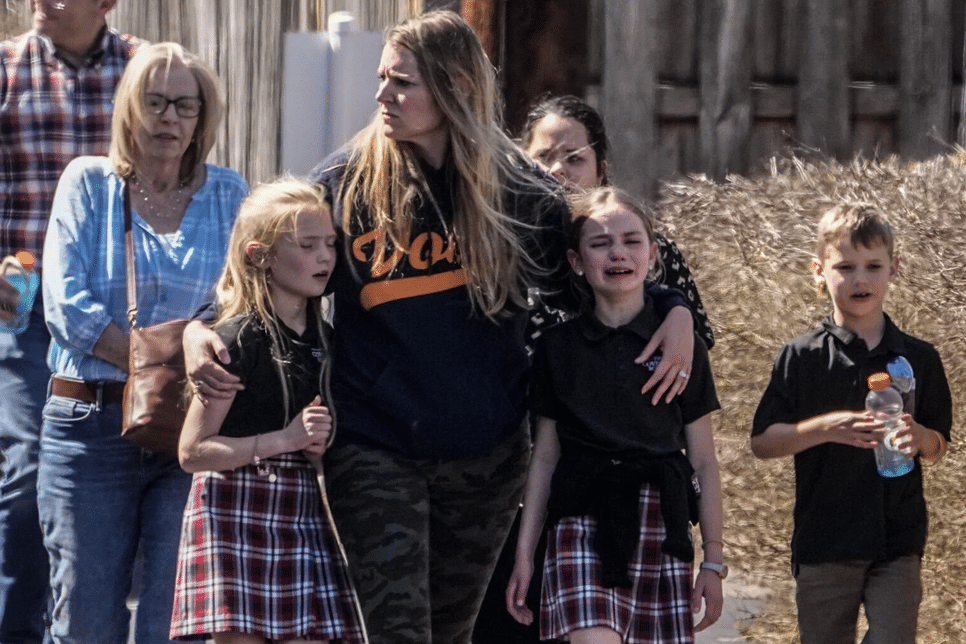
The suspect, who was killed by police, is believed to be a former student at The Covenant School in Nashville, where the shooting took place.
Wendell Griffen connects attacks on public schools in Arkansas, Florida, and other states to similar efforts in the past and argues that the current situation demands we unite against an effort to replace democracy with authoritarianism and fascism.
Professional degrees are gaining traction at theological schools across the U.S. and Canada, while the traditional ministerial degree, the master of divinity, is faltering, according to new data released late last month. Master of divinity programs constitute 35% of enrollment at theological schools overall –

Darron LaMonte Edwards writes that while there are many pathways to success through education, most of those pathways for Black and Brown students still have roadblocks and only a select few can tread that path. We are almost in 2023 and it still feels like
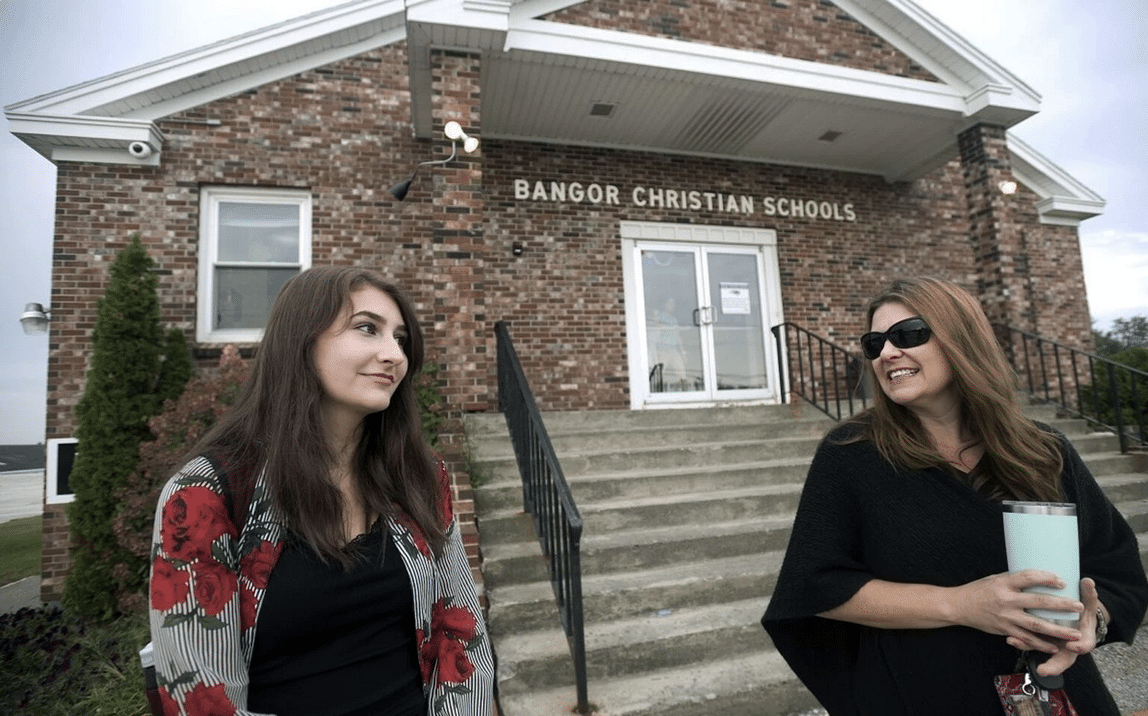
Parents of children enrolled in Maine religious schools fought all the way to the Supreme Court for the state to treat tuition reimbursements the same as other private schools. But only one of the religious high schools has signed up to participate this fall, after
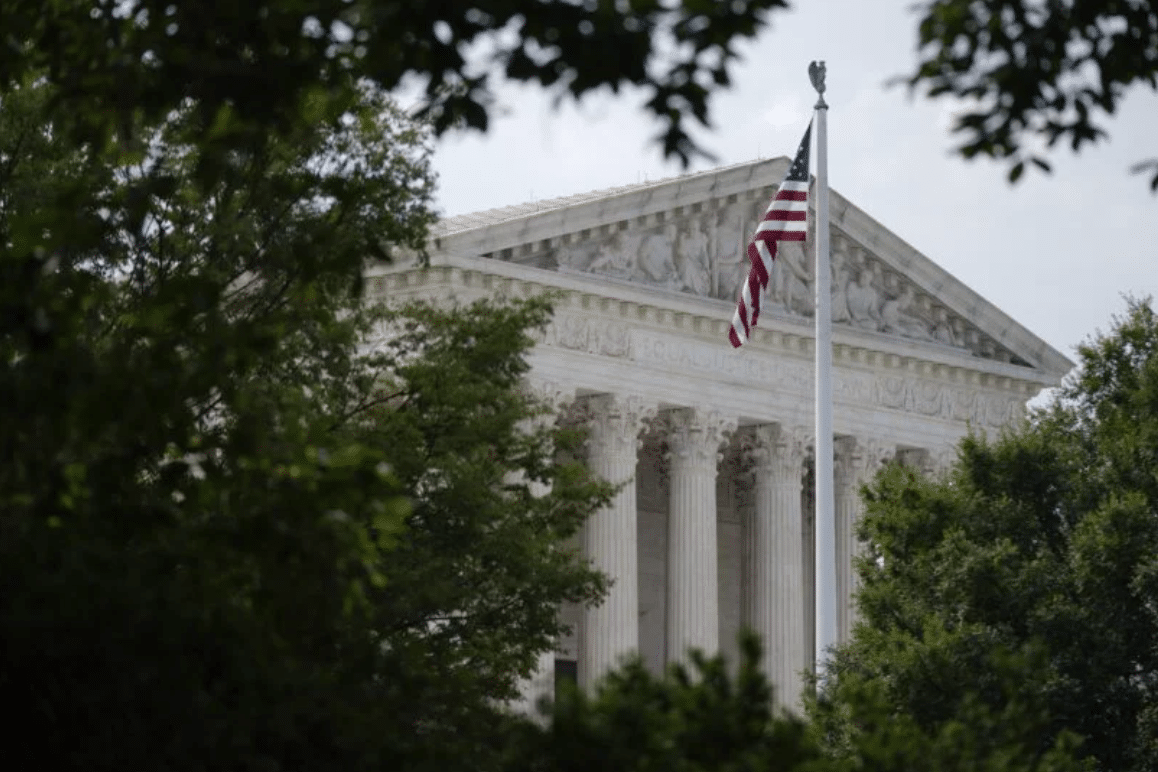
The Supreme Court on Monday sided with a football coach from Washington state who sought to kneel and pray on the field after games. The court ruled 6-3 for the coach with the court’s conservative justices in the majority and its liberals in dissent. The