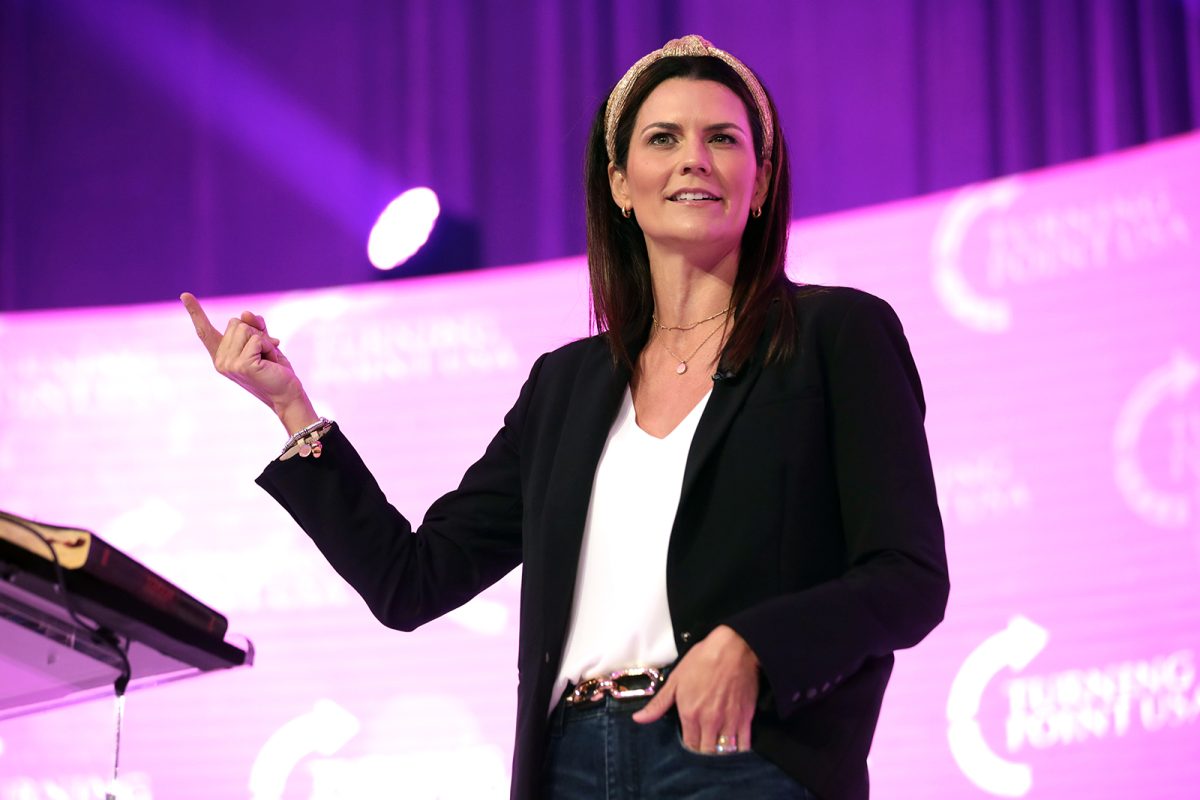
Cissie Graham Lynch, Granddaughter of Billy Graham, Tapped for Religious Freedom Ambassador
If approved by the Senate, Lynch would hold an office that has been unoccupied since the beginning of the second Trump administration.

If approved by the Senate, Lynch would hold an office that has been unoccupied since the beginning of the second Trump administration.

Franklin Graham, one of President Trump’s most stalwart evangelical allies, did not offer any reasons for rejecting the federal funds, which would have been used for ‘immediate life-saving assistance to people affected by natural disasters.’
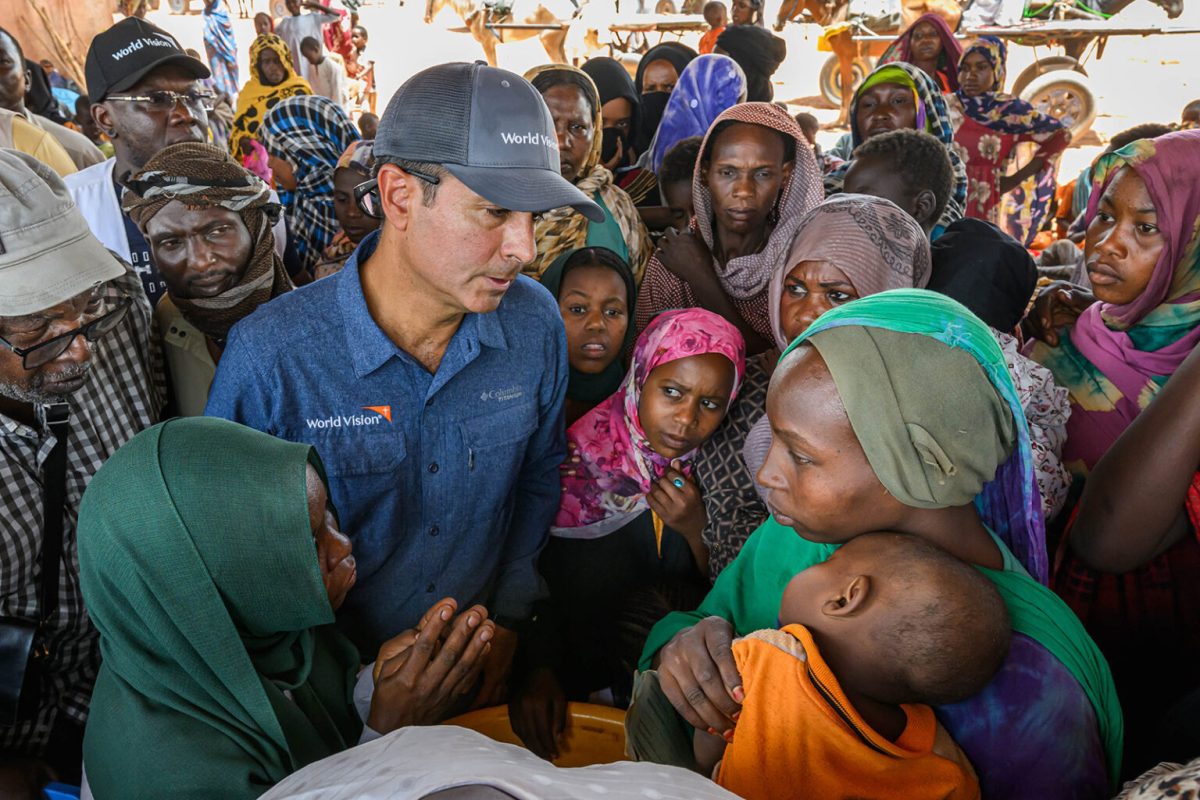
The funding for humanitarian assistance abroad does not appear to include any U.S. based non-Christian groups in the aftermath of USAID's shutdown.
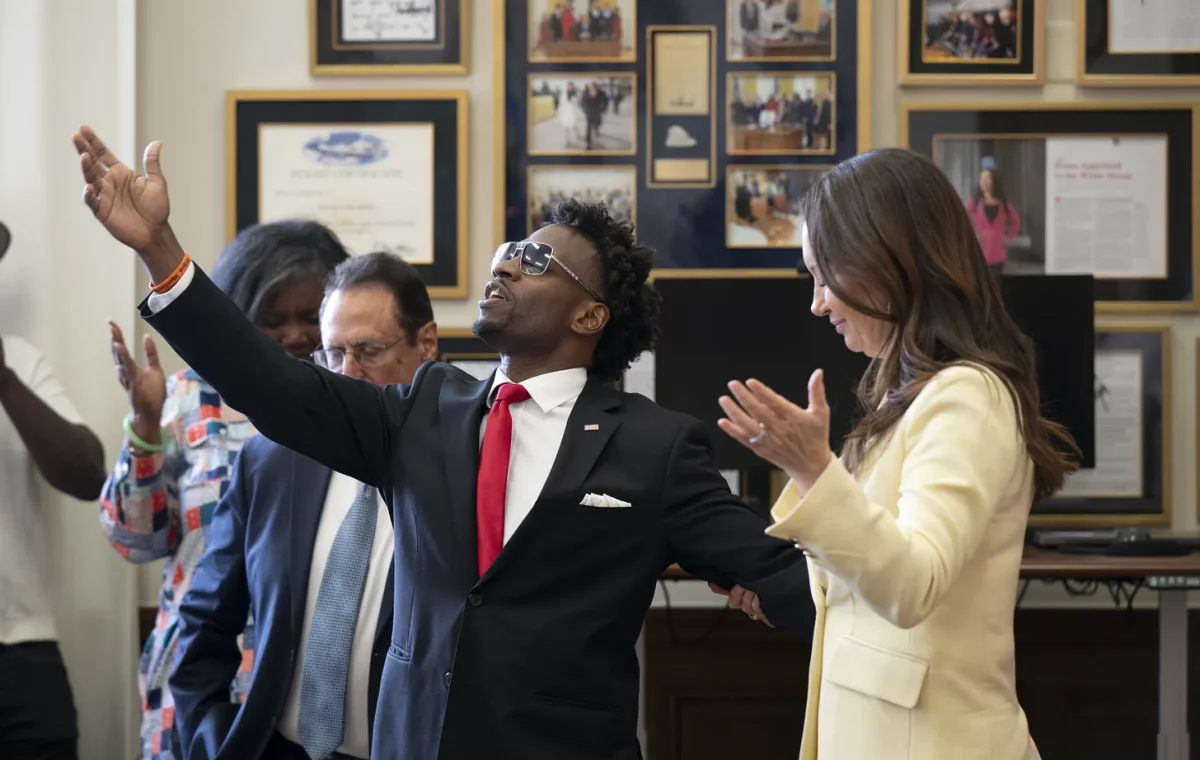
This issue of A Public Witness documents several outlandish events beyond those named in a recent church-state lawsuit by employees or a complaint from the Freedom From Religion Foundation.

The desire for a sustainable authoritarianism among MAGA Calvinists, such as the ‘Theobros’ and a coalition of Southern Baptist Reformed leaders, has lovers of democracy sounding the alarm.
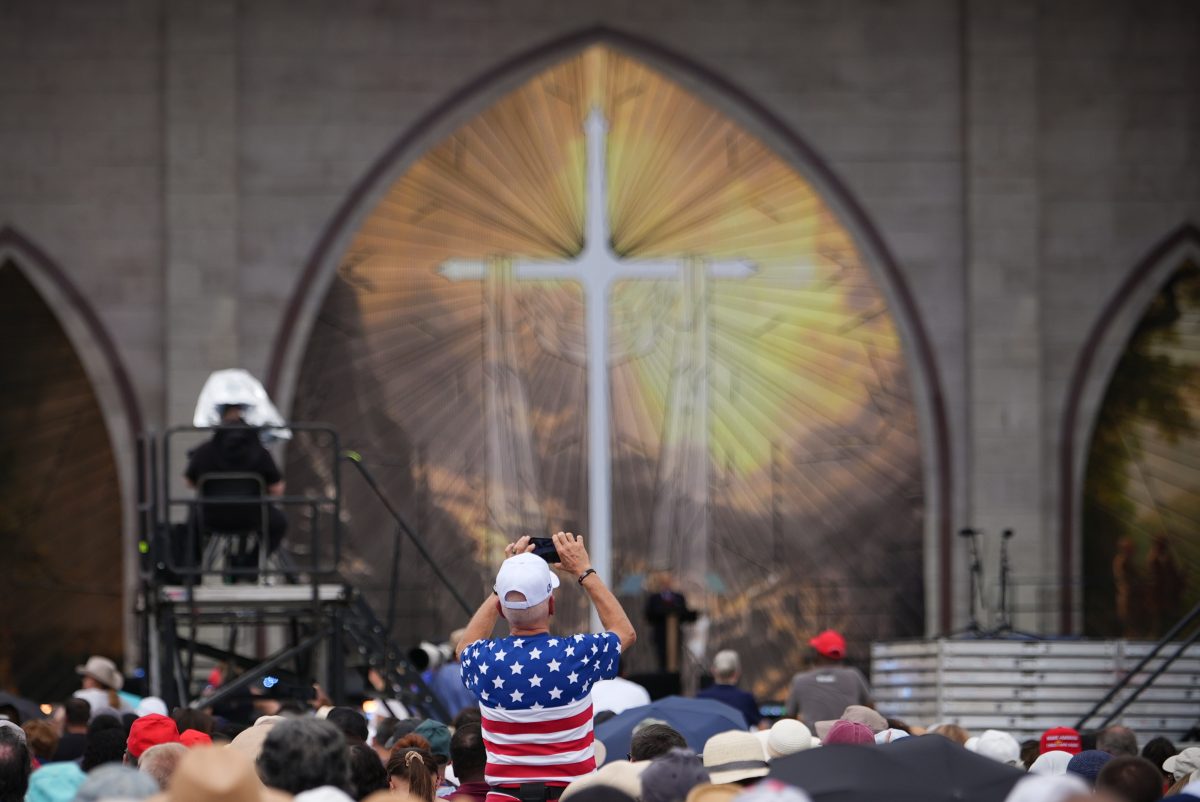
These days, it can feel like Christian Nationalism is the majority opinion. But while Christian Nationalists have grabbed significant power, many times — like with ‘Rededicate 250’ — it’s just that they’re being extra loud.
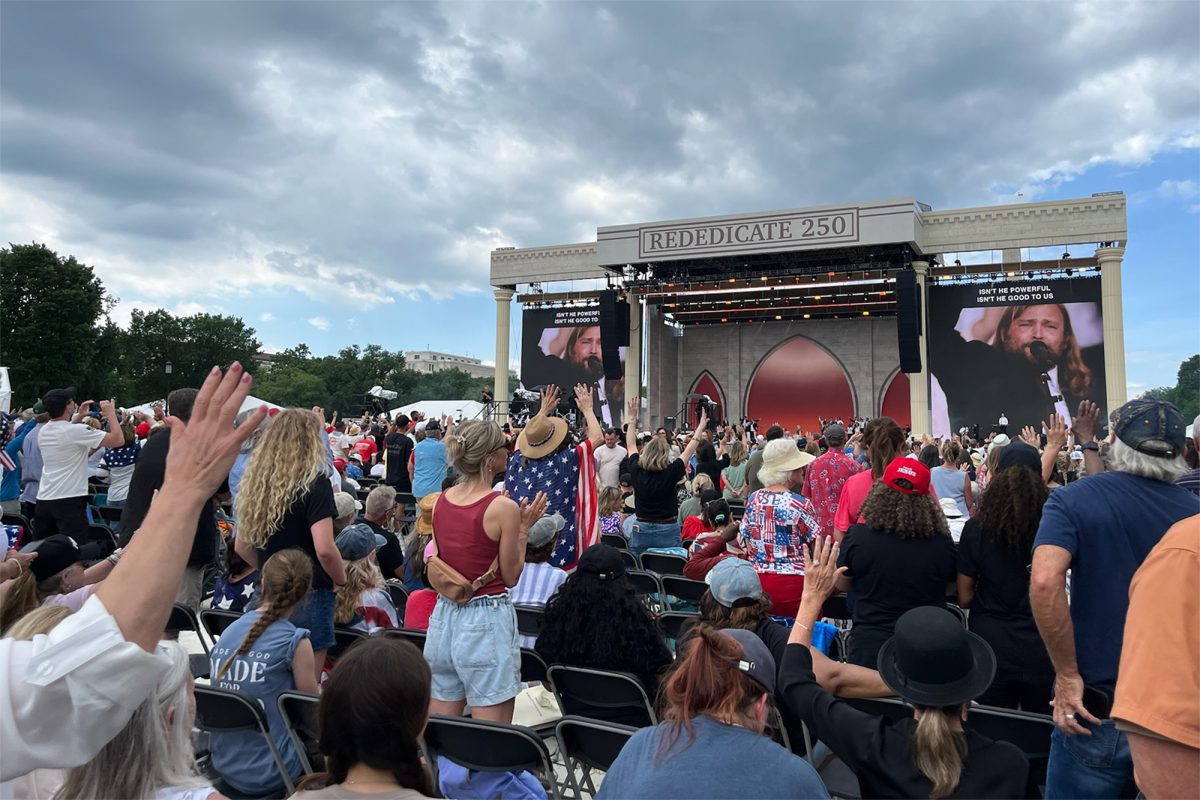
The speakers largely advanced the ideas that the U.S. has a religious — and particularly Christian — founding and that its future success depends on prayer.
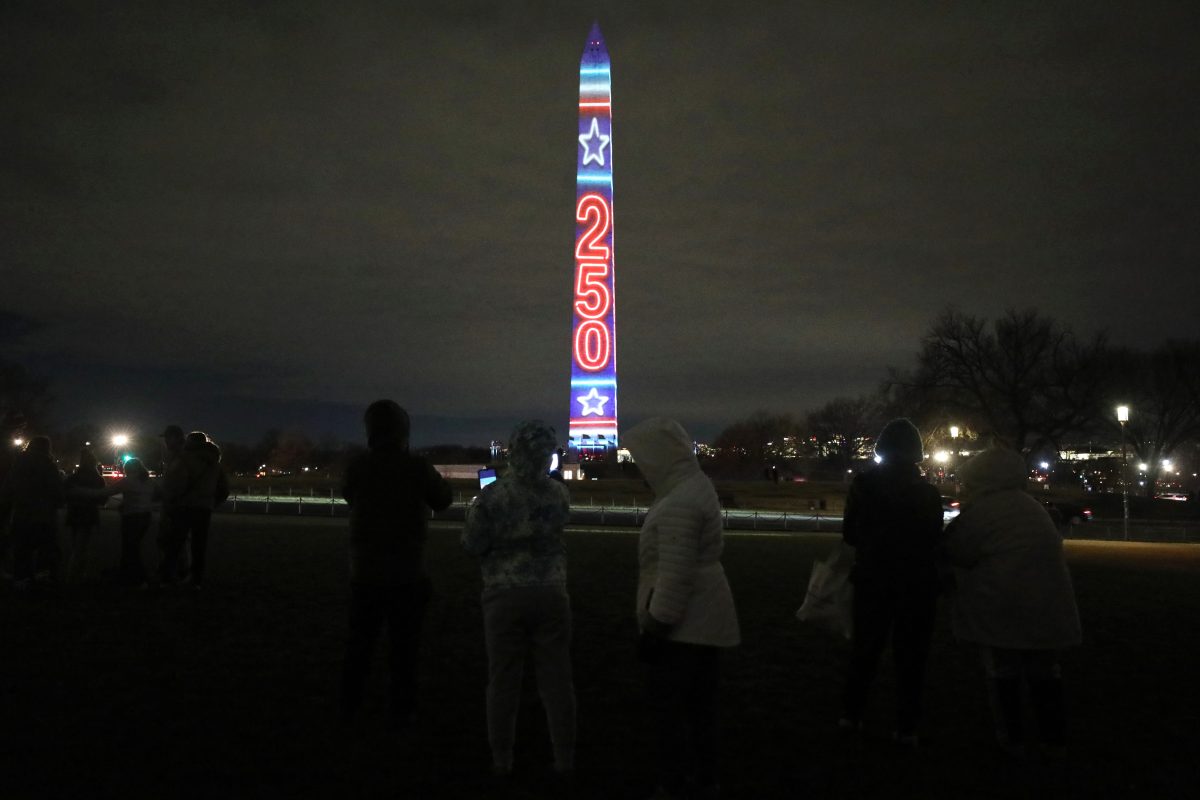
This issue of A Public Witness unpacks why the upcoming ‘Rededicate 250’ gathering was planned for May 17 and the Christian Nationalist fight to remake the past and present.

Join us as we celebrate five years of our ‘A Public Witness’ newsletter and highlight the best from the 115 pieces we’ve published over the past 12 months exploring the intersection of faith, culture, and politics.

Notably absent from the lineup are representatives from other non-Christian faiths, such as Islam or Indigenous spiritual traditions, or leaders from mainline Christian or historically Black denominations.