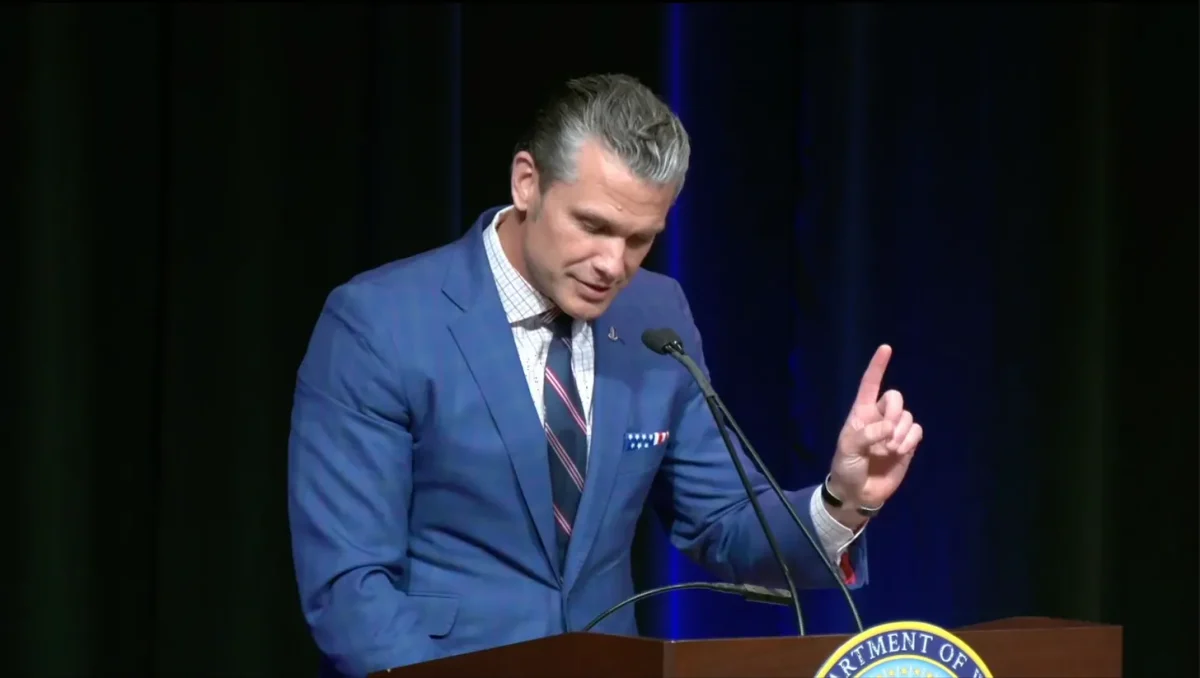
Hegseth Praises Bari Weiss’s ‘60 Minutes’ at Pentagon Worship Service
Wesley Welch of King’s Church DC delivered the sermon, becoming the ninth Southern Baptist pastor to preach out of 17 total services.

Wesley Welch of King’s Church DC delivered the sermon, becoming the ninth Southern Baptist pastor to preach out of 17 total services.
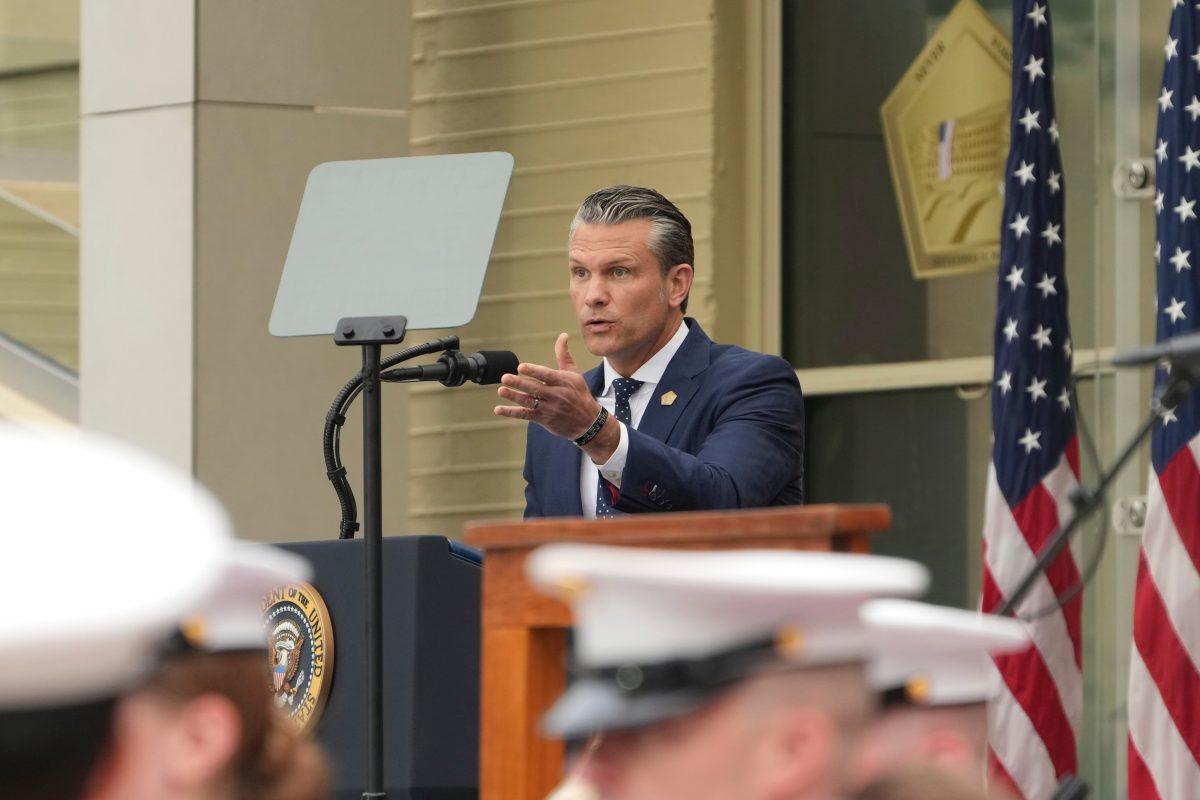
The head of the U.S. military — who has Crusader imagery tattooed on his body and the cover of his Bible — spent the anniversary promising divine violence.
The Israel-U.S.-Iran conflict has seen an appeal to scripture from many of the involved leaders. But the moment God is invoked as argument rather than moral motivation, the willingness to be wrong is surrendered.

Set in modern-day Tehran, the new film premiering in Chicago this weekend is both a forbidden love story and a depiction of the steadfast faith of the Baha’i community amidst ongoing oppression.
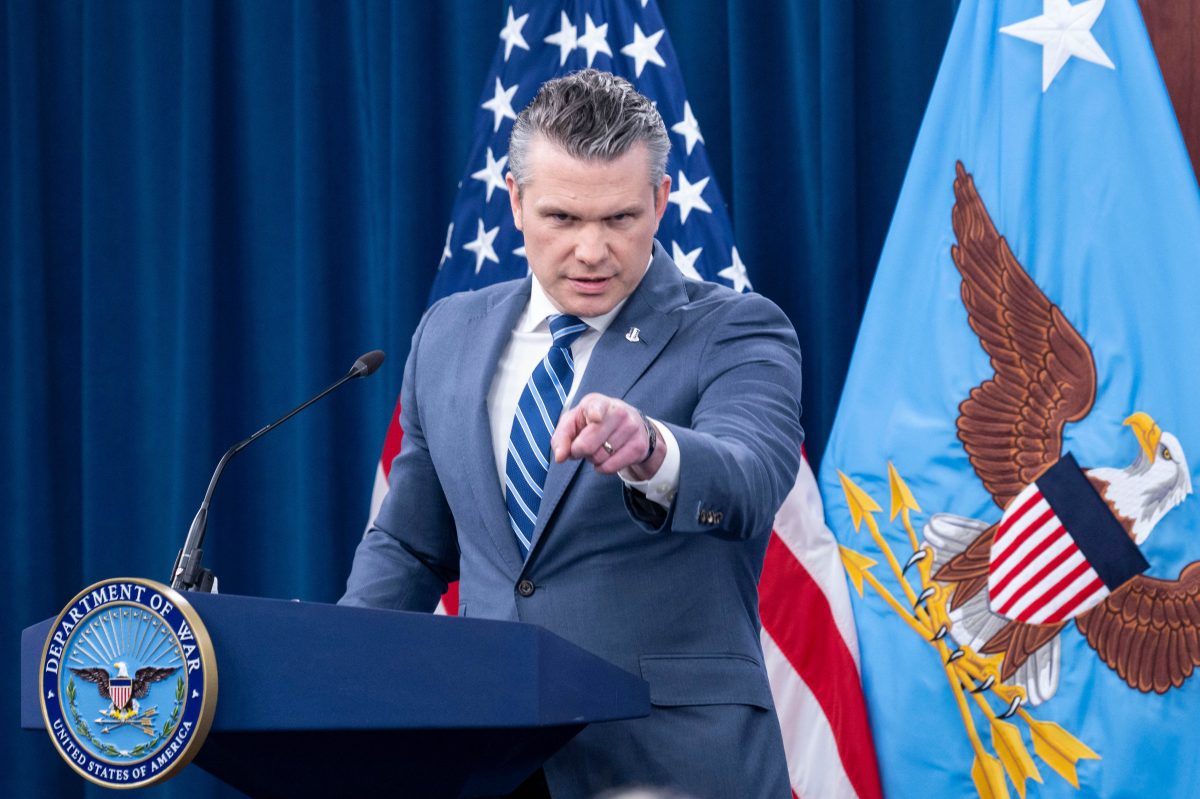
Given Pete Hegseth’s insistence on co-opting a biblical term and employing it out of context as an insult against reporters doing their job, this issue of A Public Witness takes a look at the real Pharisees and the lesson the ‘secretary of war’ is missing.

Join us as we celebrate five years of our ‘A Public Witness’ newsletter and highlight the best from the 115 pieces we’ve published over the past 12 months exploring the intersection of faith, culture, and politics.
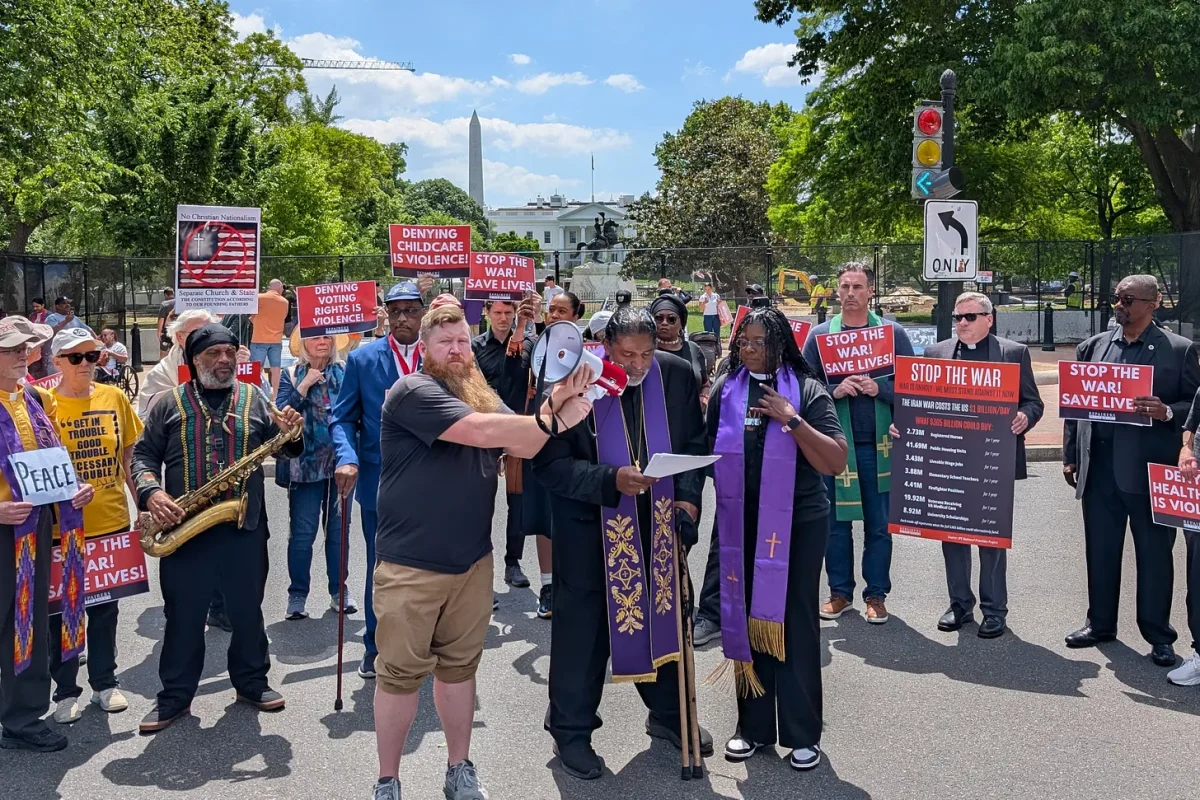
This week, Rev. William Barber II gathered in front of the White House along with dozens of other clergy to protest the conflict that the Trump administration started against Iran.
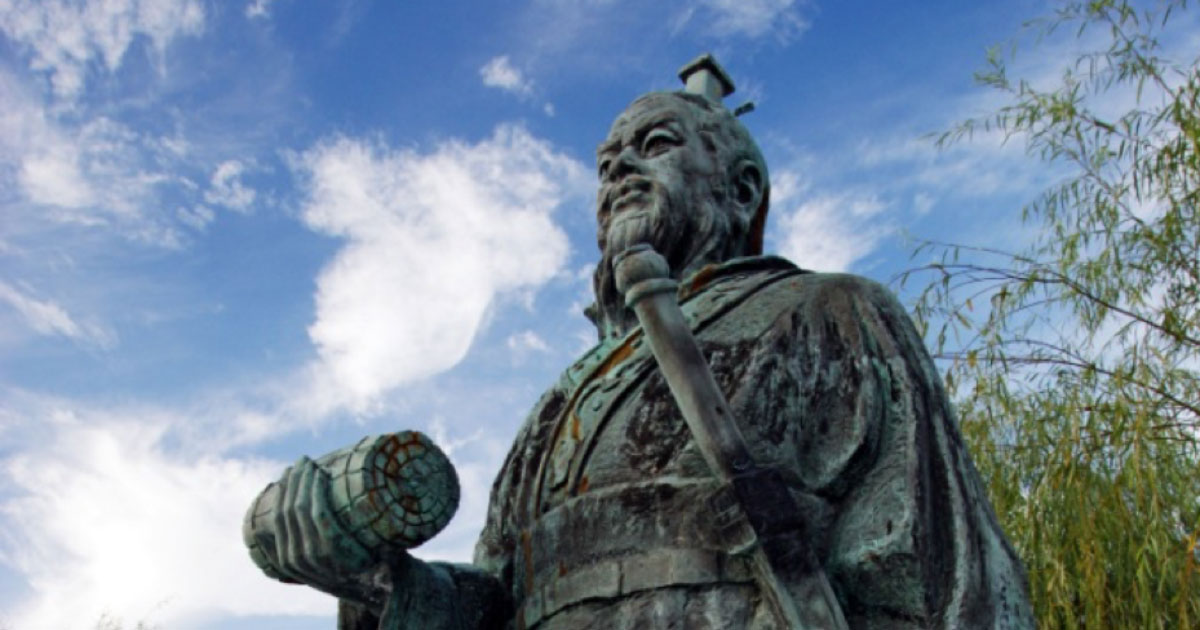
Contributing writer Rodney Kennedy argues that Trump's war against Iran, like his entire presidency, is an exercise in blowing things up. He has shown that he is a demolition expert, not a deal maker.
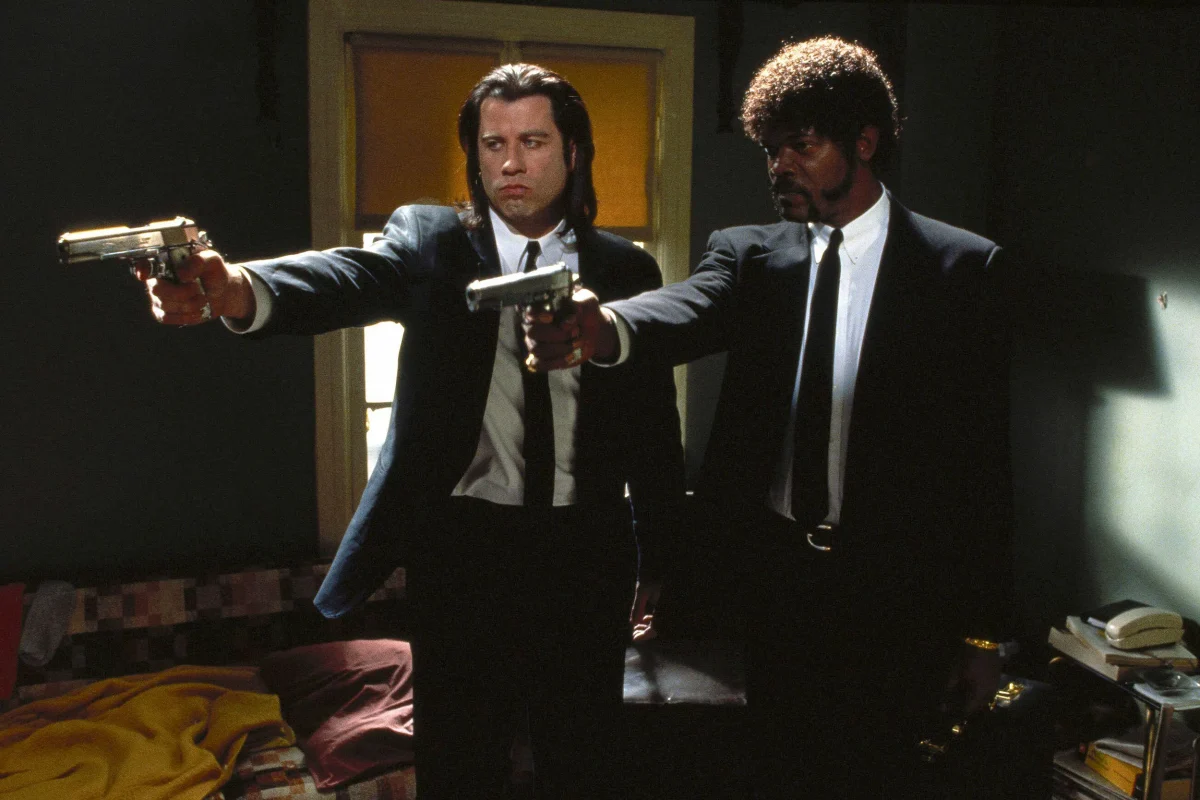
The story about Defense Secretary Pete Hegseth reading a prayer based on a scene in a Quentin Tarantino film really did go viral in the U.S. and elsewhere. And it all started with our newsletter A Public Witness.
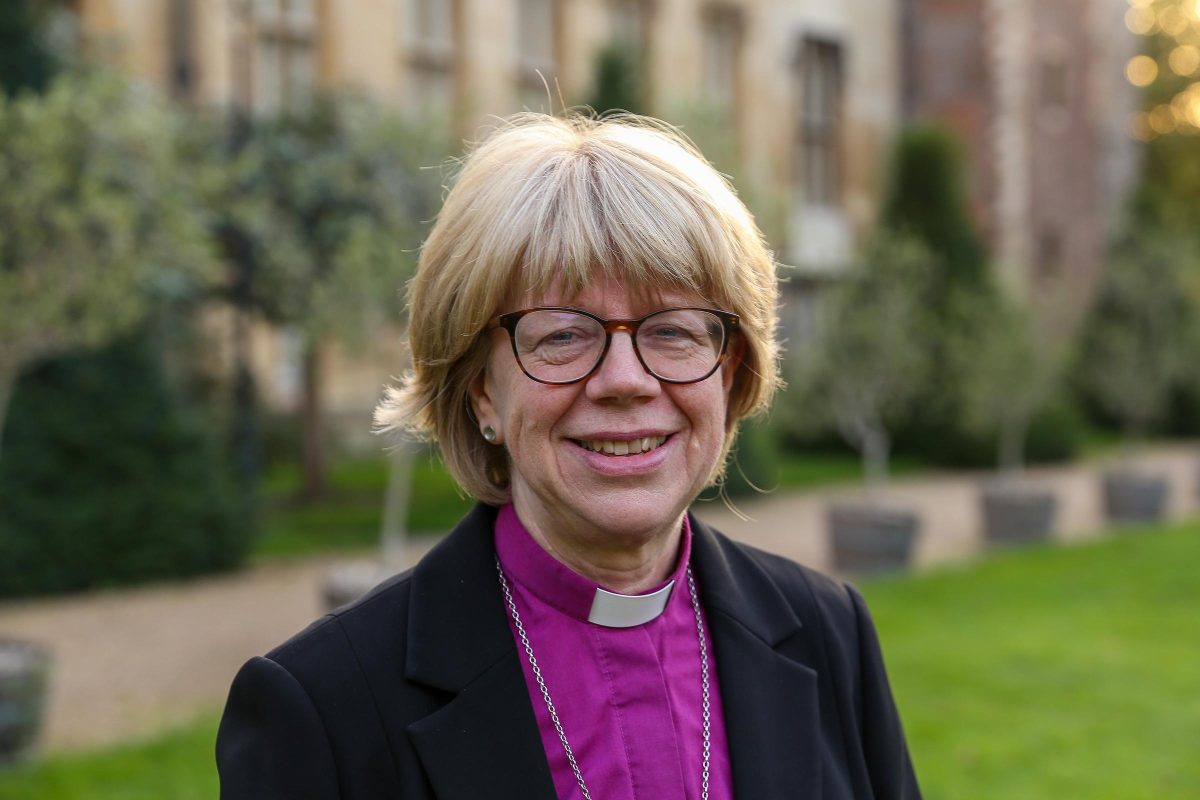
In addition to heading the Church of England, the Archbishop of Canterbury is the spiritual leader of the worldwide Anglican Communion, including the Episcopal Church in the U.S.