Unsettling Advent 2025, Day 22
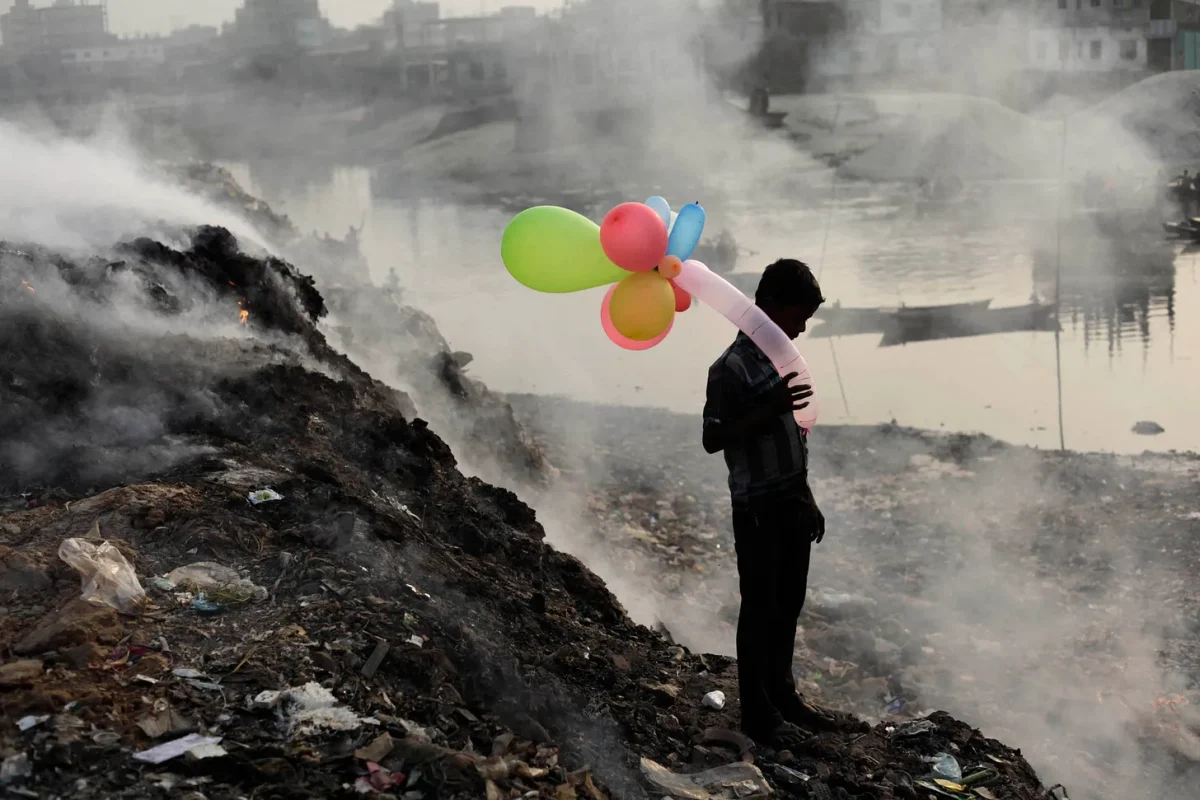
The cruel spectacle churns on for now, but Advent prepares us to see anew that there are countless ordinary acts of love happening quietly, out of sight, more than you and I will ever know.

The cruel spectacle churns on for now, but Advent prepares us to see anew that there are countless ordinary acts of love happening quietly, out of sight, more than you and I will ever know.
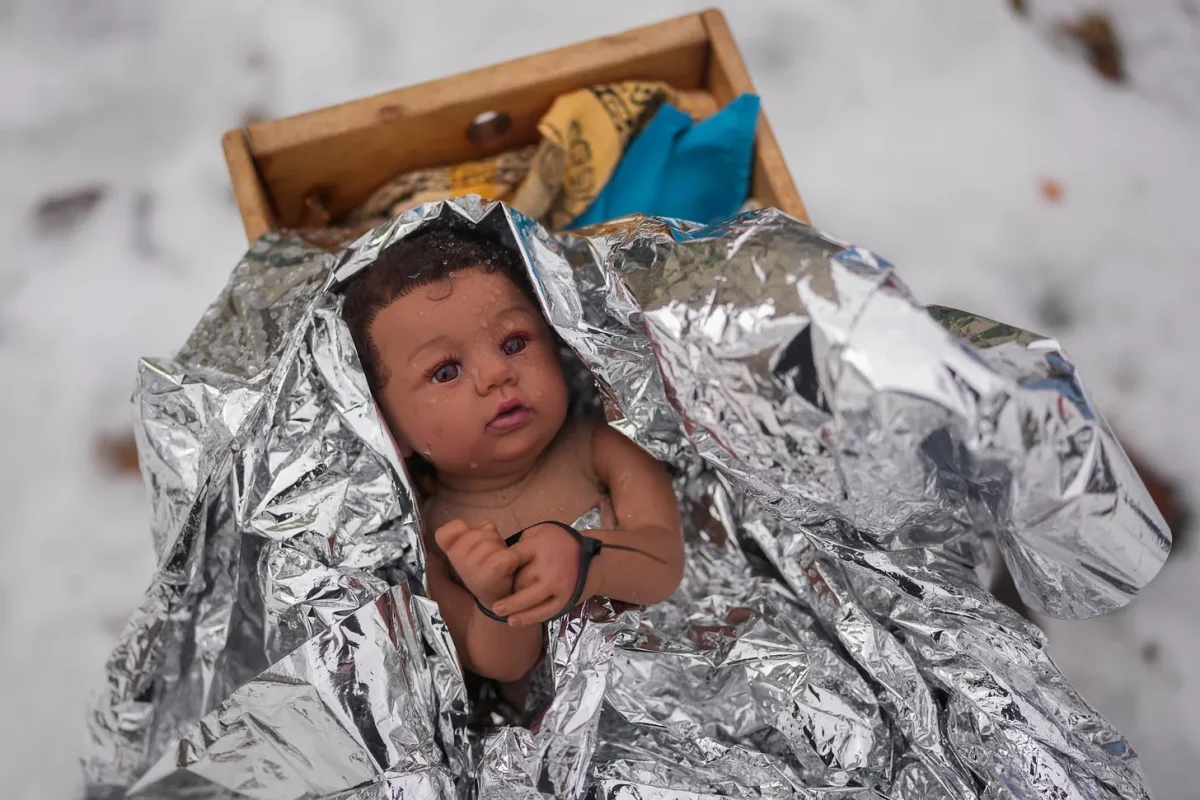
We should all be concerned about government officials anointing themselves as the arbiters of what a Nativity scene should look like. Sadly, too many Christians today willingly side with Herod.
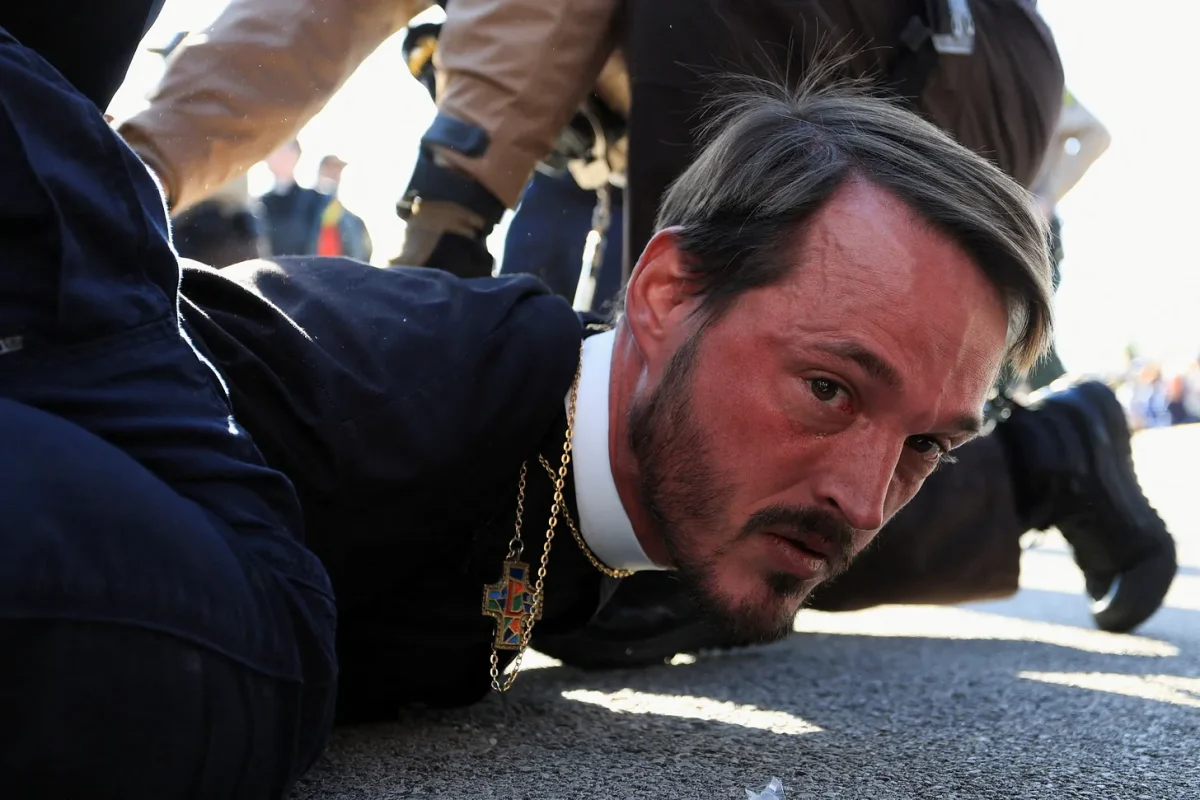
It must have seemed hopeless in first-century Palestine for plenty of people, but that is where the light of the world chooses to be born. God is still coming into being, even amidst the cruelty of ICE and the terror of state violence.

A difficult pregnancy made it feel like darkness was closing in. But still, there was a tiny burning ember of hope that kept glowing. In the midst of actual and metaphoric scar tissue from years of losses, something miraculous happened.

Jesus often appeared in places where he was unexpected. He hung out with supercilious religious folk, sinners, and publicans. But he would undoubtedly say some confrontational things to the crowd.
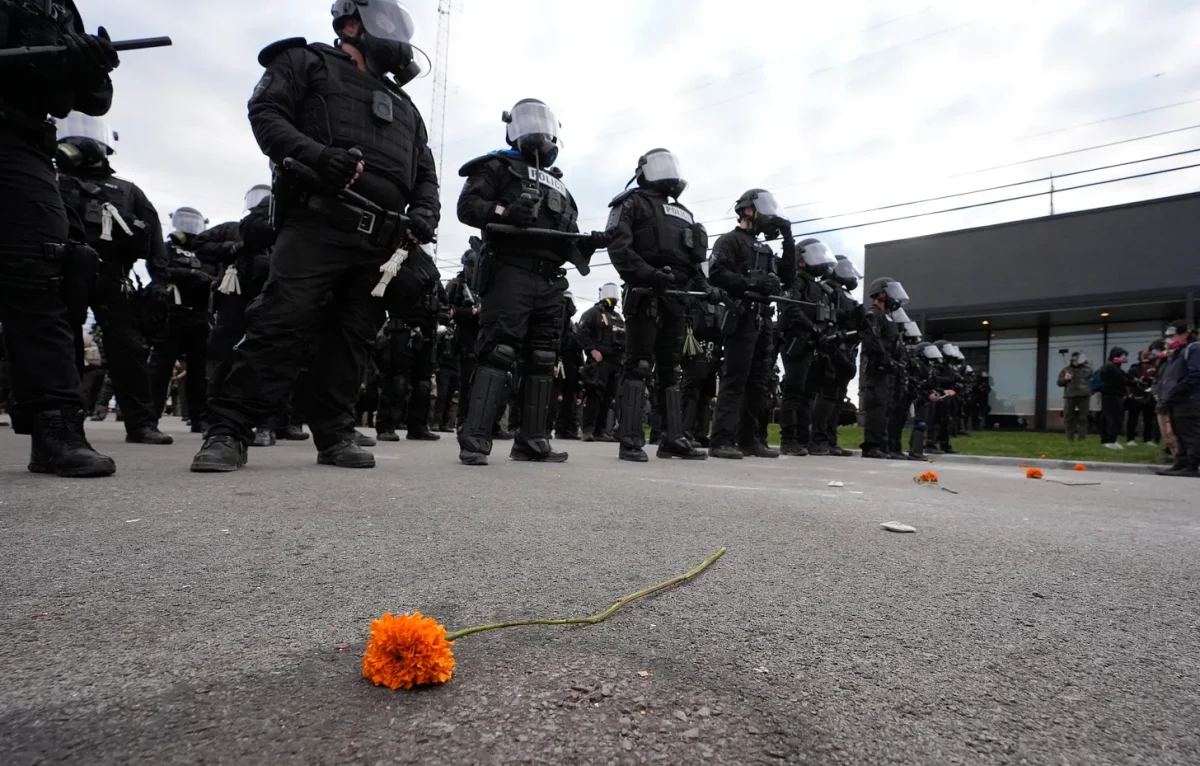
Jesus didn’t say ‘peace’ because the disciples were safe or because the soldiers went away, but precisely because they were waiting outside and yet peace was still possible.

This isn’t the first time Graham has been invited to speak at the Pentagon. Two previous occasions — one of which was canceled — each sparked controversy because of his comments about Islam.
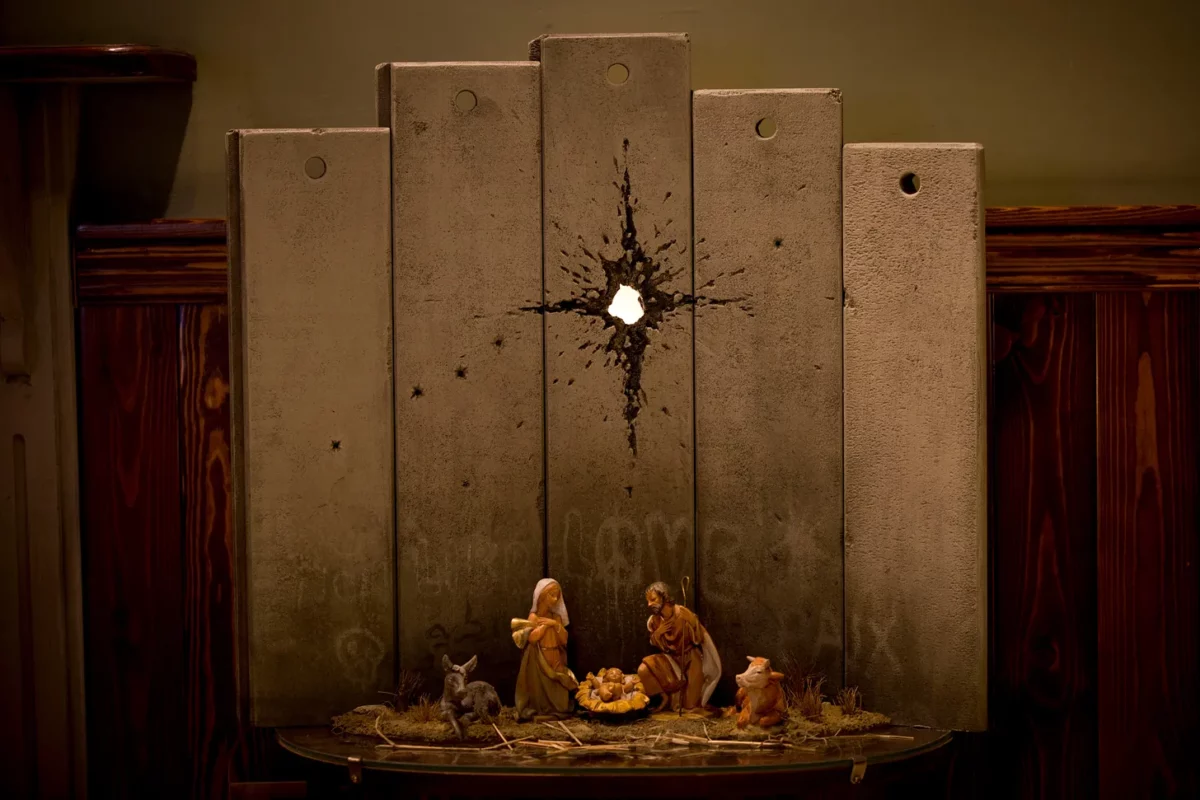
As Christmas approaches and the world gazes once again toward Bethlehem, a fundamental choice emerges: Will Christians justify oppression and exclusion, or will they stand with the local Christian community?

This new book from Diana Butler Bass offers an essay for every week in the seasons of the Christian year — from Advent and Christmas to Lent and Easter, through the entire calendar.
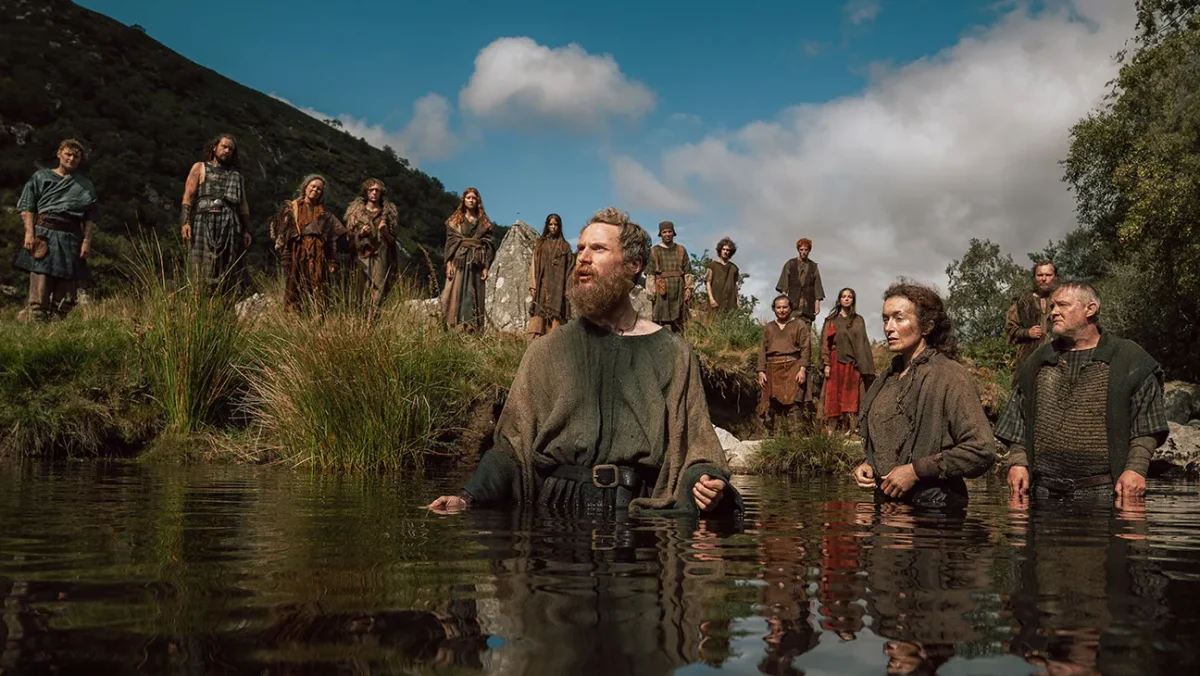
At the movies this fall, Josh O’Connor plays a hot priest with a complicated past, Keanu Reeves is an angel who lost his wings, and Elizabeth Olsen has a romantic dilemma in the afterlife. Hollywood, it seems, has found God.