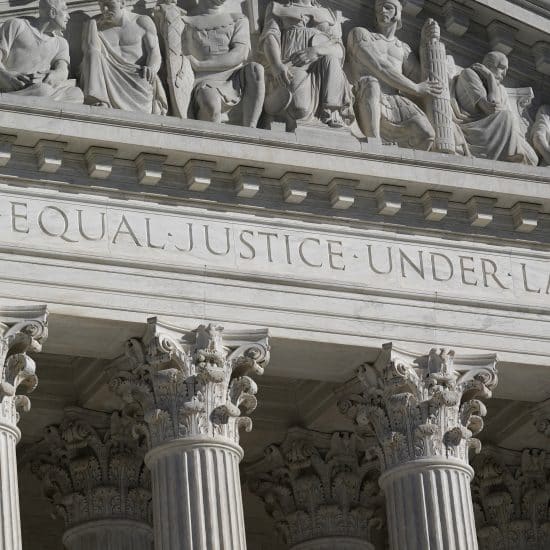
Donald Trump’s signature has shown up in some surprising places. It adorned a lewd birthday card to Jeffrey Epstein. It desecrated Bibles promoting Christian Nationalism that sell for $1,000 a piece. Last week, the nation learned that his John Hancock would soon be found on U.S. currency. Now you’ll be able to purchase Trump-signed Bibles with Trump-signed Benjamins.
The pretense for adding the president’s name — something that’s never happened before — to the nation’s money is that it somehow contributes to the 250th birthday of the United States. It’s not clear how placing the spotlight on a temporary leader celebrates a country whose founding document famously begins with “We the People” and was born from a revolution against a king whose image was on colonial coins.
At a moment meant to venerate the past, the administration’s actions represent a remarkable break with precedent. Since the U.S. started producing paper currency during the Civil War, they have always carried the signature of the U.S. treasurer. Even when “In God We Trust” was added in the middle of the 20th century, the bills remained agnostic about who was president.
Despite laws and conventions prohibiting living people from appearing on U.S. currency, the Trump Administration announced in late 2025 that it’s also considering producing a $1 coin featuring Trump’s likeness as part of the observance of America’s Semiquincentennial.
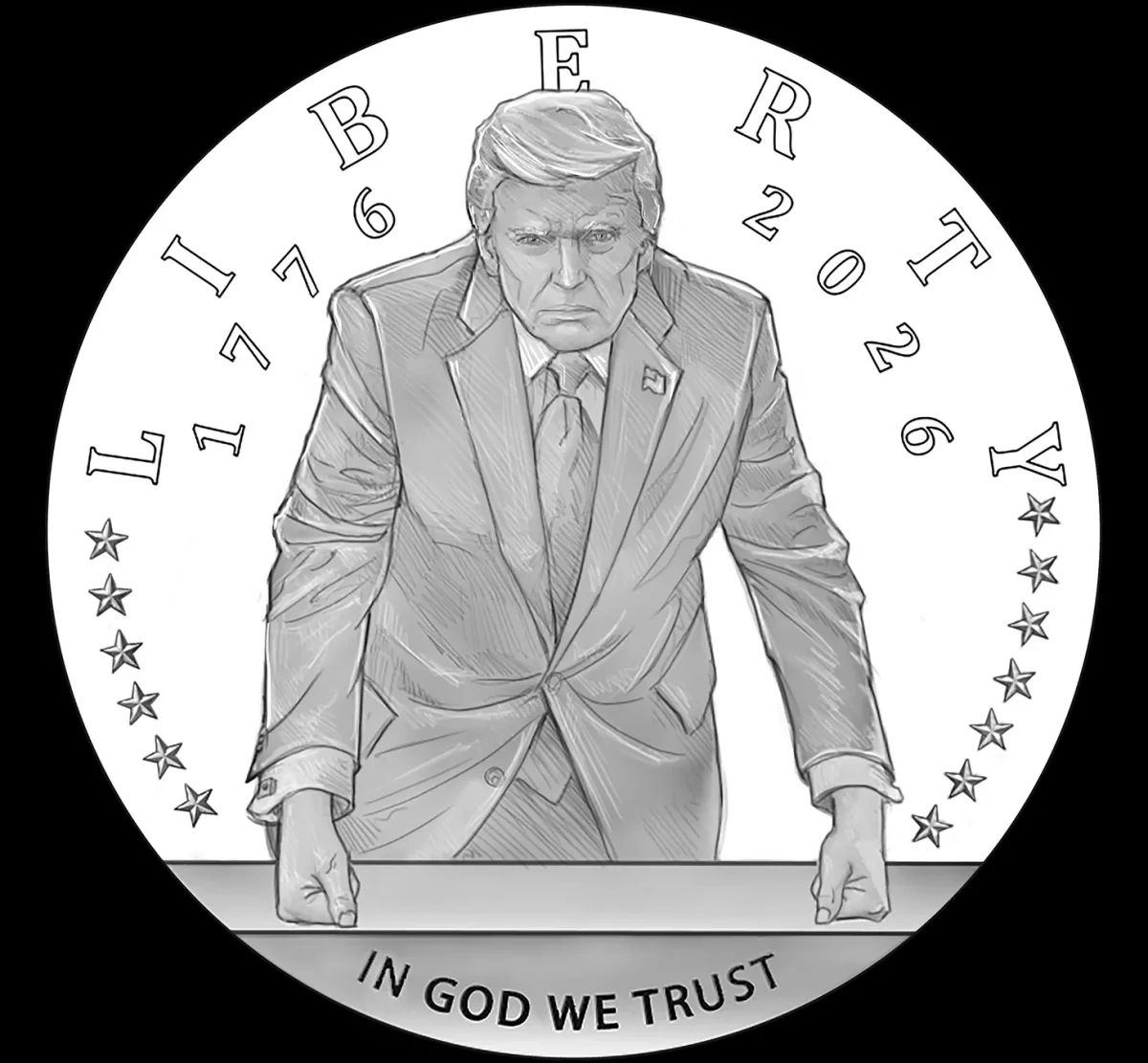
Then, last month, Trump loyalists appointed to the federal Commission on Fine Arts approved a commemorative gold coin featuring the president’s image. The U.S. Mint reported that Trump had personally been involved in the design and one panelist urged that the coin be made “as large as possible” because “the president likes big things.”
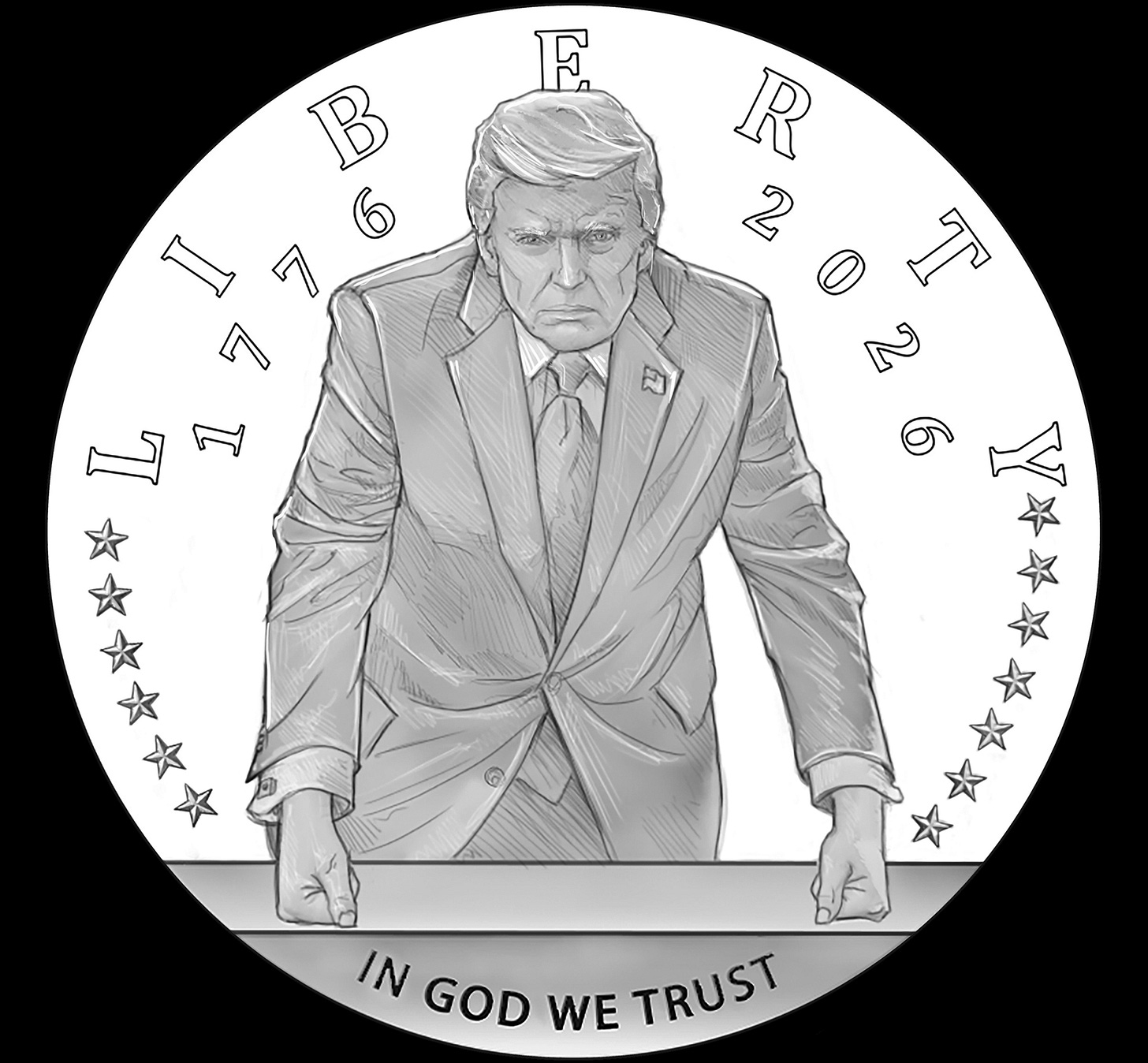
Proposed gold coin design featuring Donald Trump. (U.S. Mint)
The push to memorialize Trump in gold has faced some official opposition. The Citizens Coinage Advisory Committee, which is tasked with advising the Treasury on the themes and designs of coins, has attempted to stymie the effort but lacks the ultimate authority to stop it.
As the acting chair, Donald Scarinci, noted during a committee meeting, “Only those nations ruled by kings or dictators display the image of their sitting ruler on the coins of the realm. God bless America, and may God preserve our nation.”
While Trump’s desire to live in our piggy banks and wallets is unparalleled in U.S. history, it’s hardly a new dilemma for Christians to navigate. In this edition of A Public Witness, we delve into numismatics (which we all know without googling means the study of currency and coins). Like the woman searching for the lost coin, we dig around between the couch cushions to explore the relationship between religion and politics as American Christians are confronted with what belongs to God when Caesar becomes more demanding.
Whose Image?
As journalist Marisa Kabas reported last month at The Handbasket on the effort to create a Trump 24K gold coin, she went back even further than King George III to contextualize a ruler memorializing themselves on coins: “Julius Caesar started off 44 BCE feeling pretty good: In January, as the story goes, the Roman Senate renewed his appointment as dictator, and the following month, they decreed he’d serve as dictator ‘for life.’ They also announced that Caesar’s portrait would appear on coins — the first time any living Roman had appeared on currency. By March, he was murdered.”
While that year didn’t turn out as Caesar had hoped, he was far from the last Roman emperor to remake coins in his own image. By the time Jesus was teaching and performing miracles some seven decades later, coins had also featured emperors Caesar Augustus and his stepson Tiberius Julius Caesar Augustus (who sat on the throne during Jesus’s ministry).
The coins featuring the emperors also often included some phrases that Jesus and the Gospel writers reappropriated. With the imperial cult bestowing a divine status upon Julius Caesar and others who followed, both Augustus as the adopted son of Julius and Tiberius as the stepson of Augustus had coins featuring their face and calling them “son of god.”

The rest of this piece is only available to paid subscribers of the Word&Way newsletter A Public Witness. Subscribe today to read this essay and all previous issues and receive future ones in your inbox.