
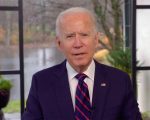
Biden Pledges to Raise Refugee Ceiling to 125,000 in Address to Jesuit Group
President-elect Joe Biden announced he will raise the number of refugees allowed into the United States to 125,000 in his first year in office, a major reversal from President Donald Trump’s steep cuts to the U.S. refugee program.
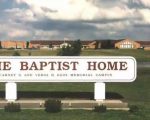
The Baptist Home Fighting Off Coronavirus at 3 Campuses
Over the last six weeks, The Baptist Home saw coronavirus outbreaks emerge at three of its four residential communities in Missouri for the aging. After a total of 89 cases and 11 deaths, the campuses now have just 9 active cases with the spread slowly or even stopped.
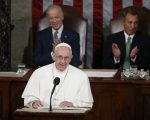
Pope Congratulates Joe Biden on Election as 2nd Catholic U.S. President
It’s not exactly divine intervention, but even the pope considers the U.S. presidential race over. President-elect Joe Biden, a lifelong Roman Catholic, spoke to Pope Francis on Thursday, despite President Donald Trump refusing to concede.
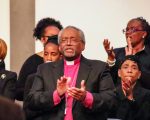
Amid Cries for Church Unity Post-Election, Some Christians Say ‘Not So Fast’
After a polarizing presidential election, Christian leaders are urging believers of all political convictions to find common ground in their faith. But some say there is a difference between unity and healing.
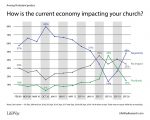
Half of Pastors See Negative Coronavirus Economic Impact for Church
According to a new survey from Nashville-based LifeWay Research, almost half of U.S. Protestant pastors (48 percent) say the current economy is negatively impacting their church, including 5 percent who say the impact is very negative.
UN Chief Urges Global Fight Against Pandemic & Hatred
U.N. Secretary-General Antonio Guterres called on Monday for a global fight on two fronts — one against the coronavirus pandemic and the other against “the poison” of anti-Semitism and hatred of Muslims, migrants, refugees, and many others.

Baptists Join Effort to Leave Lights on for Kristallnacht Anniversary
In commemoration of Kristallnacht (“night of broken glass”) 82 years ago, many houses of worship around the world will leave their lights on tonight. Several Baptist churches are joining this effort to stand for justice and against anti-Semitism.
Dutch Protestant Church Admits Failing Jews in World War II
The Dutch Protestant Church made a far-reaching recognition of guilt Sunday for its failure to do more to help Jews during and after World War II, and for the church’s role in preparing ”the ground in which the seeds of anti-Semitism and hatred could grow.”
Some Churches Return to Online-Only Worship as COVID-19 Surges in U.S.
A surge in new COVID-19 cases has at least a few churches returning to online-only worship as many churches continue meeting onsite. The move to return to online-only comes as the U.S. continues to set new records for new numbers of coronavirus cases.
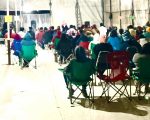
Evangelical Asylum Seekers Stuck in Mexico Hold Prayer Vigil for the US Election
Among those praying for the outcome of the 2020 presidential election is a group of asylum-seekers at an encampment in Matamoros, Mexico, right across the border from Brownville, Texas.