

Sign up to receive full essays in your inbox!

Featured
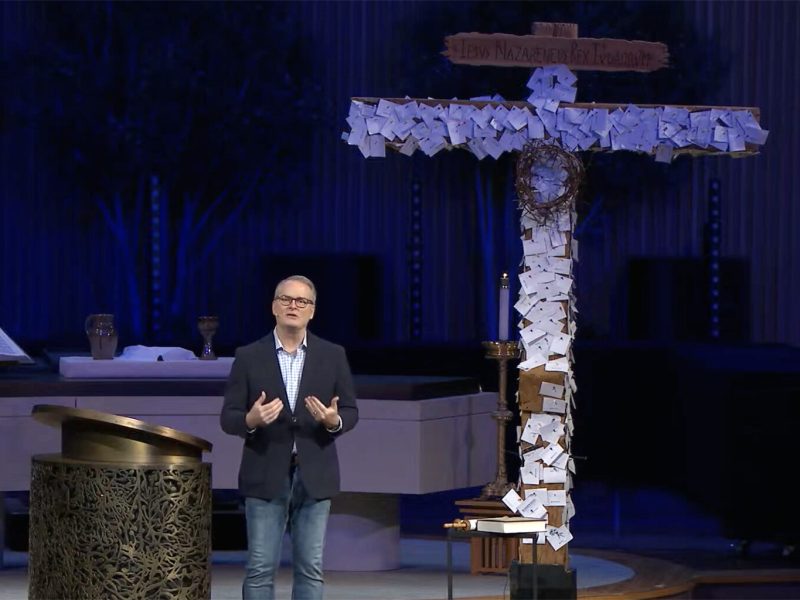
Adam Hamilton, Mega-Church Pastor, Wins Dem Senate Primary. Now Comes the Hard Part.
With a record-setting fundraising haul, Hamilton still faces an uphill battle to become Kansas' first Democratic senator in nearly a century.
Review: We Believe
Written from a Christian perspective, this comparative theological exercise puts Muslims and Christians in a dialogue over faith and doctrines.
Thou Shalt Not … Amend the State Constitution?
This issue of A Public Witness takes you inside a hyperpartisan church for a taste of how the gospel of Jesus is being supplanted by an imperial lust for political power.
Church
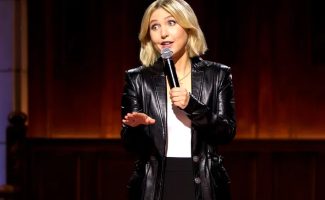
Taylor Tomlinson’s Netflix Special Is Too Ungodly for Many Churches. This One Welcomed Her.
Fountain Street Church, founded in 1869 through the merger of two Baptist congregations, has a legacy of rejecting dogma and pushing the envelope.
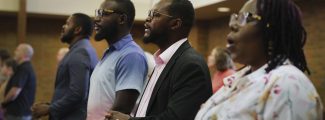
2 Ohio Pastors Emerge As Faithful Allies for Haitian Migrants During Trump’s Crackdown
Carl Ruby, pastor of Central Christian Church, takes pride in the fact that Springfield’s resistance to Trump’s immigration crackdown is faith-based.
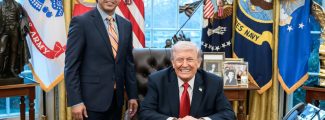
Over 100 Latino Christian Leaders Say Trump Adviser Samuel Rodriguez’s Reach Is Misrepresented
The letter’s signers say they were prompted to speak out because of the damage the Trump administration’s immigration policies have done to Latino communities.
Nation
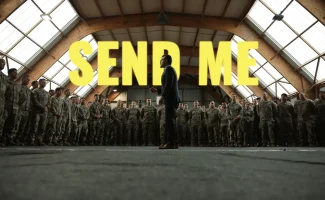
Hegseth Conscripts Call of Prophet Isaiah to Serve U.S. Military Interests
This issue of A Public Witness considers the theological problems with the defense secretary regularly quoting Isaiah 6:8 and how his use of Scripture aligns with Bible quotes in violent movies.
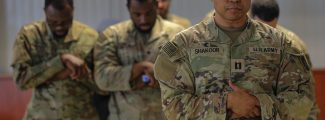
Defense Department Rejiggers List of Recognized Religions After Backlash, Narrows It to 30
The fast-evolving list was met with blowback from critics who suggested its changes were an attempt to impose Christian Nationalism on the military.
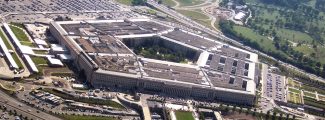
Defense Department to Drop Atheists, Pagans, 175 Others From List of Military Faiths
Unitarian Universalists and Deists, who were reportedly excluded from the latest list, are among two categories represented among signers of the Declaration of Independence.
World
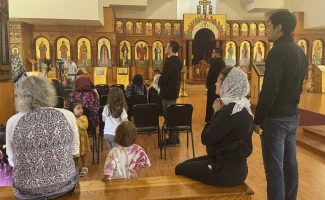
US Archbishop’s Meeting With Putin Denounced As ‘Betrayal of Christian Witness’
Critics say the meeting conferred legitimacy on Putin, on top of his being hosted by Trump on U.S. soil despite an arrest warrant issued in 2023 from the International Criminal Court, accusing Putin of war crimes in the Russian invasion of Ukraine.

Global Baptists Gather Down Under to Challenge Injustices and Nationalism
This issue of A Public Witness heads to Australia to offer highlights from the Baptist World Congress, where Christians from 130 nations came to worship, fellowship, dialogue, learn, and strategize together.
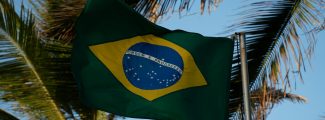
Brazil’s Environment Minister Fights Fellow Evangelicals on Amazon Protection
Attacks from the religious right on Marina Silva, a Pentecostal and longtime environmentalist, expose the rifts within Brazil’s evangelical movement as the Amazon’s future hangs in the balance.
Editorials
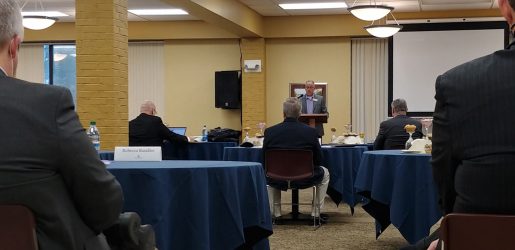
Word&Way Excluded from SBU Trustee Meeting
Word&Way Editor-in-Chief Brian Kaylor responds to the decision by Southwest Baptist University to bar Word&Way from attending an upcoming SBU trustee meeting. Kaylor questions the motivations behind the decision to limit media access.

Church Isn’t Like a Manicure
Editor-in-Chief Brian Kaylor reacts to recent U.S. Supreme Court rulings on coronavirus restrictions and worship. He argues a majority of the justices wrongly compare worship gatherings to commercial activities.

Thank God. Love Neighbors. Get Vaccinated.
Editor Brian Kaylor reflects on getting his second COVID-19 vaccine and recent polling showing that White evangelicals are the least likely demographic to get vaccinated. Thank God, love neighbors, and get vaccinated!
Word&Way Voices
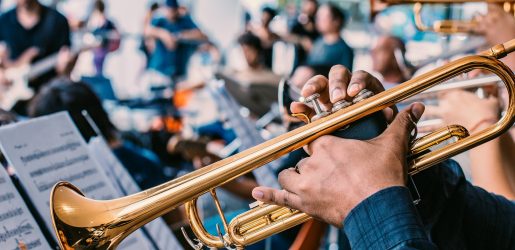
The Angels Are Playing Armstrong
Contributing writer Sarah Blackwell reflects on the connections between jazz, supporting young people, church life, and the kingdom of God.
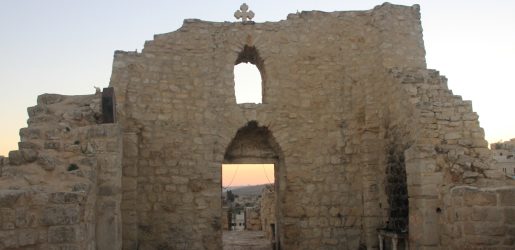
One of the Last Remaining Christian Villages in Palestine Is Under Attack
Unless the international community acts decisively and swiftly, Al-Taybeh risks being overrun by Israeli settlers, its lands confiscated, and its people forcibly displaced.
The Gilded Salesman of Idolatrous Excess
Contributing writer Rodney Kennedy argues that Trump has outdone every shyster who ever told a tall tale, every con artist, every swindler, every unscrupulous insurance salesman, and every crooked televangelist.
E-Newsletter
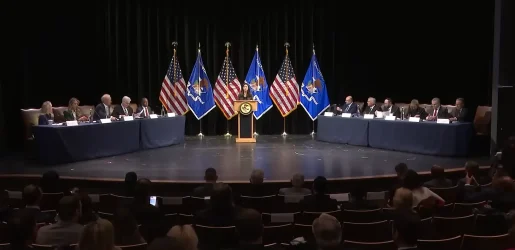
White House Commission Caught in Ugly Dispute Over Antisemitism
Given the importance of promoting religious liberty and addressing religious bigotry, this issue of A Public Witness delves into the debates swirling around the White House’s “Religious Liberty Commission.”
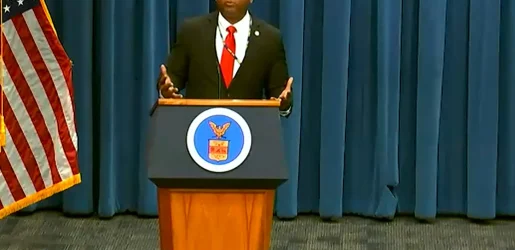
At Labor Department Prayer Service, MAGA Preacher Says Employees are Working for God and Trump
Leon Benjamin, a charismatic preacher who frequently spoke at the ReAwaken America Tour, attended the ‘Stop the Steal’ rally on Jan. 6, 2021, and even walked with the crowd to the Capitol grounds.
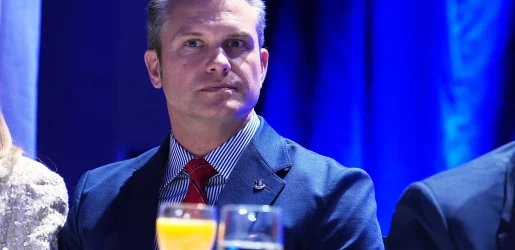
At National Prayer Breakfast, Hegseth Says US Soldiers Gain Salvation by Dying for ‘Christian Nation’
Coverage of Thursday’s event has largely focused on Trump’s rambling remarks — but the much more problematic and dangerous comments actually came later from Defense Secretary Pete Hegseth.
-
Claiming God's Name in Politics, War, & Sports
 This episode of Dangerous Dogma features a conversation between Word&Way Editor Brian Kaylor, Lutheran minister and journalist Angela Denker, and Disciples pastor and author Beau Underwood. The conversation includes discussion about a botched execution in Tennessee, religious issues in political campaigns, and Pete Hegseth's misuse of the Bible. And Beau shows off his White Sox…
 -
Backslide with Robert P. Jones
This episode of Dangerous Dogma features a conversation between Word&Way Editor Brian Kaylor and Robert P. Jones, author of the forthcoming book Backslide: Reclaiming a Faith and a Nation After the Christian Turn Against Democracy. Jones is also the founder and president of PRRI. He previously appeared on Dangerous Dogma in 2023. You can watch a… -
DHS Spies on Churches & White Sox Honor Pope Leo
This episode of Dangerous Dogma features a conversation between Word&Way Editor Brian Kaylor, Lutheran minister and journalist Angela Denker, and Disciples pastor and author Beau Underwood. The conversation includes discussion about revelations that the Department of Homeland Security has been spying in churches, a controversial golf ad, and a White Sox night celebrating Pope Leo.… -
The State of the Senate, from SC to ME to TX to KS
This episode of Dangerous Dogma features a conversation between Word&Way Editor Brian Kaylor, Lutheran minister and journalist Angela Denker, and Disciples pastor and author Beau Underwood. The conversation includes discussion about the death of Sen. Lindsey Graham as well as issues of faith and morality in Senate races in Maine, Texas, and Kansas. You can… -
Southern Baptists, the Pentagon, & UFC
This episode of Dangerous Dogma features a conversation between Word&Way Editor Brian Kaylor, Lutheran minister and journalist Angela Denker, and Disciples pastor and author Beau Underwood. The conversation includes discussion about the Southern Baptist Convention's push against women in ministry, the Pentagon changing how it codes the faith of military members, and the latest in… -
Southern Baptists, Women in Ministry, & a Billboard
In this episode, Word&Way President Brian Kaylor talks with Meredith Stone, executive director of Baptist Women in Ministry. The conversation includes discussion of efforts in the Southern Baptist Convention to further target women serving in churches and how BWIM is advocating for women (including with a billboard to greet SBC messengers next week in Orlando,… -
Divergent Visions for Rededicating the Nation
This episode of Dangerous Dogma features a conversation between Word&Way Editor Brian Kaylor, Lutheran minister and journalist Angela Denker, and Disciples pastor and author Beau Underwood. The conversation includes discussion about Rededicate 250, gerrymandering, Adam Hamilton's Senate campaign in Kansas, and the MAHA movement. You can watch a video version of the conversation here. Here are a few pieces… -
The Christian Past That Wasn't
In this episode, Word&Way President Brian Kaylor talks with Warren Throckmorton, a retired professor who has spent years debunking false claims by Christian Nationalist pseudo-historian David Barton. Throckmorton is the author of the new book, The Christian Past that Wasn't: Debunking the Christian Nationalist Myths that Hijack History. You can watch a video version of… -
Trump vs. Leo
This episode of Dangerous Dogma features a conversation between Word&Way Editor Brian Kaylor, Lutheran minister and journalist Angela Denker, and Disciples pastor and author Beau Underwood. The conversation includes discussion about President Donald Trump's attacks on Pope Leo XIV, Leo's witness against the Iran war, Trump's AI image of himself as Jesus, and the electoral… -
Fight Like Jesus with Jason Porterfield (Reissue)
In this episode, Word&Way President Brian Kaylor talks with Jason Porterfield about his book Fight Like Jesus: How Jesus Waged Peace. This episode originally aired in 2023, except for a new introduction noting a violent prayer by Pete Hegseth during a recent Pentagon worship service and Palm Sunday comments by Pope Leo XIV. Note: Don't forget…


Books

Review: Evangelism in an Age of Despair
In “Evangelism in an Age of Despair: Hope Beyond the Failed Promise of Happiness,” Andrew Root contextualizes evangelism for our times and reimagines what the call to outreach means in today’s world.

Review: Braving Difficult Decisions
In “Braving Difficult Decisions: What to Do When You Don't Know What to Do,” Rev. Dr. Angela Williams Gorrell maps out a process for working through the most challenging aspects of complex choices.
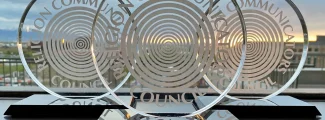
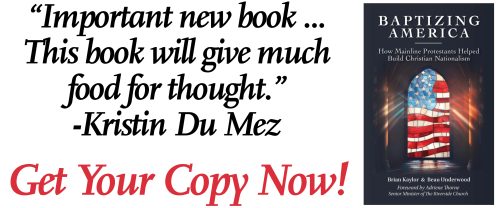
‘Baptizing America’ Wins Top Award From Religion Communicators Council
Our ‘A Public Witness’ newsletter also garners two Best in Class awards in the Specialized Writing and Artwork categories, and Unsettling Advent wins top editorial series for the fourth straight year.
Review & Giveaway: Blessed Minds
A congregational pastor who also serves as the UCC’s Minister for Disabilities and Mental Health Justice, Sarah Griffith Lund has long been a voice helping Christians gently and wisely wrestle with neurodiversity.