

Sign up to receive full essays in your inbox!

Featured
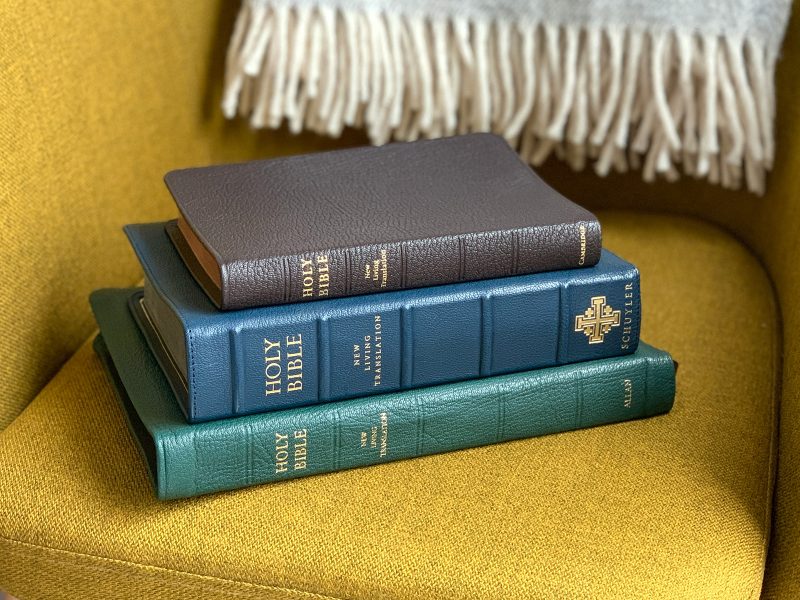
Bible Sales Keep Growing, Even As Many Americans Lose Their Religion
About 18 million Bibles have been sold this year, part of a five-year boom in Bible sales.

New Jersey Episcopal Diocese Gives $1 Million to Treat Palestinian Children
Part of a little-used fund in the Diocese of New Jersey established 100 years ago to support medical care for children will now help Palestinian youth in Gaza.
Orthodox Christian Clergy’s Visits With US Officials Draw Accusations of Russian Influence
The visits have caused feuds among both US Orthodox Christian groups and Republicans.
Church
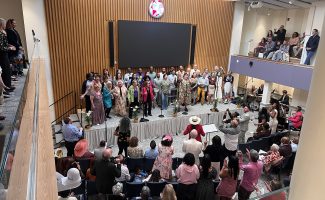
‘The Fire Made Us Fearless’: New York Middle Church’s Material Resurrection
After years of scrambling to preserve the community and the church’s mission during renovations, the church now wants to get back to its social justice work.
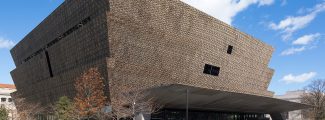
Black Churches Back Embattled Smithsonian African American History Museum After Trump’s Order
In a March 27 executive order, Trump alleged that Smithsonian exhibits had disparaged the nation's history via a ‘divisive, race-centered ideology.’
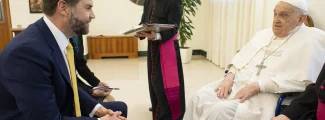
The Fight for the Empty Tomb
This issue of A Public Witness explores an intra-Catholic Easter weekend as well as multiple Easter sermons from progressive ministers around the United States.
Nation
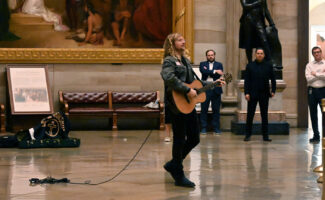
Worship Leader Sean Feucht Mismanaged Millions in Ministry Funds, Former Associates Say
People who worked with Feucht's worship organizations have shared details about his amassing of high-value property, verbal abuse, and overworking volunteers and staff without fair wages.
Defense Secretary Hegseth Tests Constitution in Pentagon Worship Services
Speaking at a recent worship service at the Pentagon, Hegseth said the US needs to be ‘in prayer, on bended knee, recognizing the providence of our Lord and Savior Jesus Christ.’

The Bible According to the Department of War
This issue of A Public Witness looks at four recent promotional videos created by the DoW that co-opt Bible verses to glorify the U.S. military.
World
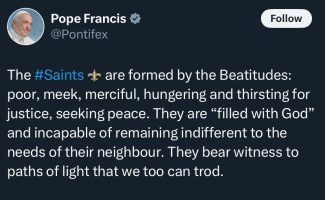
Fans Flood @Pontifex Account After It Inadvertently Cites New Orleans Saints Amid Dreadful Season
Thanks to an automatic function on X, formerly Twitter, the team’s fleur-de-lis emoji is automatically added to the hashtag #Saints.
Persecution of Eritrean Jehovah’s Witnesses Condemned by Human Rights Experts
Thirty years after Eritrea revoked the citizenship of Jehovah’s Witnesses, a recent raid saw 23 members of the faith group imprisoned for practicing their faith.
As Israel Strikes Deeper Into Lebanon, Fear Rises in Communities Where the Displaced Took Refuge
Strikes in the traditionally ’safe’ areas where many displaced families have fled are raising fears among local Christian residents. Many feel they have to choose between helping compatriots and protecting themselves.
Editorials
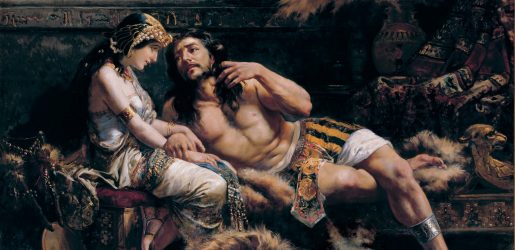
Don’t Shave Off Your Ethics
Editor Brian Kaylor reflects on Samson, Wile E. Coyote, Al Mohler, John Piper, and Donald Trump. Will we stand for character, or give away our ethics for our political bedfellows?

Unseasonal Condemnation
Editor Brian Kaylor reflects on Christmas (yes, he thinks it is too early to celebrate) and the news that our country can’t find the parents of 545 children that our government separated from their parents at the border.
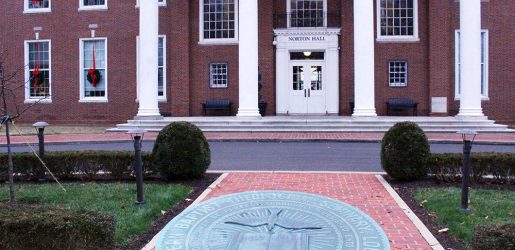
Al Mohler Needs to Say Their Names
Trustees for Southern Baptist Theological Seminary followed the request of SBTS President Al Mohler and voted against renaming buildings that honor the school’s enslaver founders. But while Mohler and SBTS insist names are important, they keep ignoring some names: those enslaved by the founders.
Word&Way Voices
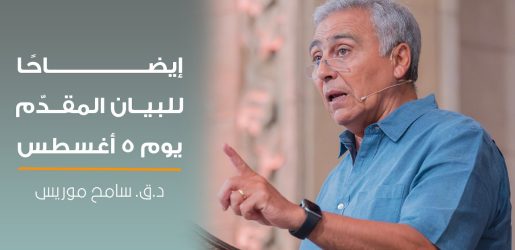
Egyptian Evangelical Pastor Issues Prophetic Call for Freedom, Equality, and Justice
Palestinian journalist Daoud Kuttab documents a recent sermon from an influential pastor of the leading Protestant church in Cairo.

Why I Wrote a New Book About Preaching
Contributing writer Rodney Kennedy discusses what led him to write “Dancing with Metaphors in the Pulpit” covering lessons preachers can learn from novelists, poets, philosophers, and rhetoricians.
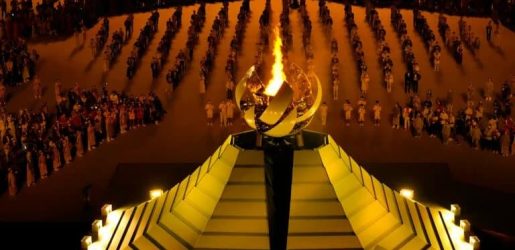
Descending Mount Olympus
Contributing writer Sarah Blackwell reflects on what spiritual practices we can take from this summer’s Olympics as we all move on to this next season of our lives.
E-Newsletter
Review & Giveaway: Blessed Minds
A congregational pastor who also serves as the UCC’s Minister for Disabilities and Mental Health Justice, Sarah Griffith Lund has long been a voice helping Christians gently and wisely wrestle with neurodiversity.
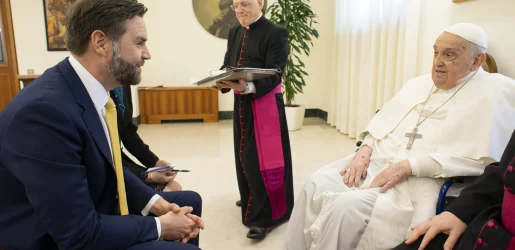
The Fight for the Empty Tomb
This issue of A Public Witness explores an intra-Catholic Easter weekend as well as multiple Easter sermons from progressive ministers around the United States.
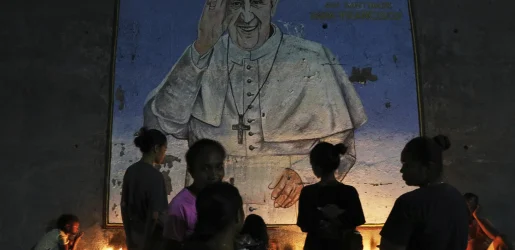
Tributes to Pope Francis
This issue of A Public Witness offers short highlights from four reflections by Catholic writers on Pope Francis and his papacy.
-
Rewriting the Ten Commandments (A Trick of State)
 In this episode, Word&Way President Brian Kaylor looks at legislation across the country that purports to want the Ten Commandments in public school classrooms. But the version mandated by lawmakers cannot be found in any Bible. Kaylor unpacks where the edited language came from, why such legislation is an attack on religious liberty, and the…
 -
198. American Christianity Divided in Responses to ICE
This episode of Dangerous Dogma features a conversation between Word&Way Editor Brian Kaylor, Lutheran minister and journalist Angela Denker, and Disciples pastor and author Beau Underwood. The conversation includes discussion about ICE actions in Minneapolis, how many clergy are leading protests against ICE while others are supporting ICE, and new research worried about the loss… -
197. Anna Piela and Michael Woolf on Confronting Islamophobia in the Church
In this episode, Word&Way President Brian Kaylor talks with American Baptist ministers Anna Piela and Michael Woolf on Islamophobia, immigration, and how Christians can better engage with interfaith efforts. Anna and Michael are coauthors of the new book, Confronting Islamophobia in the Church: Liturgical Tools for Justice. Watch a video version of this conversation here.… -
196. Martha Bardwell on Faith Communities Responding to ICE in Minneapolis
In this episode, Word&Way President Brian Kaylor talks with Martha Bardwell, pastor of Our Saviour's Lutheran Church in Minneapolis, Minnesota, on how faith communities are responding to ICE violence in the Twin Cities and the ICE killing of Renee Good. Watch a video version of this latest conversation here. The episode includes a discussion on… -
195. Attacking Venezuela & Gambling on Jesus
This episode of Dangerous Dogma features a conversation between Word&Way Editor Brian Kaylor, Lutheran minister and journalist Angela Denker, and Disciples pastor and author Beau Underwood. The conversation includes consideration of the U.S. attack on Venezuela and how Christians are responding, Pete Hegseth's pledge to change the military chaplaincy program, and how people are now… -
194. Dangers of Faith in the Pentagon & AI in Faith
This episode of Dangerous Dogma features a conversation between Word&Way Editor Brian Kaylor, Lutheran minister and journalist Angela Denker, and Disciples pastor and author Beau Underwood. The conversation includes consideration of U.S. strikes against Venezuelan boats, Pete Hegseth's Christian prayer services at the Pentagon, the use of AI in churches, and alarms about AI Christian… -
193. News Roundup: Elections, Government Shutdown, & Clergy Challenging ICE
This episode of Dangerous Dogma features a conversation between Word&Way Editor Brian Kaylor, Lutheran minister and journalist Angela Denker, and Disciples pastor and author Beau Underwood. The conversation includes consideration of religious attacks in elections this week, impacts of the ongoing government shutdown on churches, and clergy protesting against ICE. Watch a video version of… -
192. Hannah Kardon, United Methodist Pastor Arrested During Anti-ICE Protest
In this episode, Word&Way President Brian Kaylor talks with Hannah Kardon, a United Methodist minister in the Chicago area. Kardon was violently arrested during a protest outside an ICE facility on Oct. 17. Video of the incident can be viewed here. Other issues discussed in this episode include ICE actions at churches, the legal pushback… -
191. William Stell on Evangelicals & Antigay Christianity
In this episode, Word&Way President Brian Kaylor talks with William Stell, a religious studies professor and author of the forthcoming book, Born Again Queer: A History of Evangelical Gay Activism and the Making of Antigay Christianity. Kaylor is also joined by guest cohost Jared Burkholder, scholar in residence at Moravian Theological Seminary. This is the… -
190. Angela Parker on Evangelicals, Biblical Interpretation, & White Supremacy
In this episode, Word&Way President Brian Kaylor talks with Angela Parker, an associate professor of New Testament and Greek at the McAfee School of Theology at Mercer University, the author of If God Still Breathes, Why Can't I?: Black Lives Matter and Biblical Authority, and coauthor of the Unsettling Lent devotional. This is the second…


Books
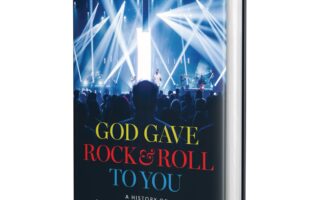
Review: God Gave Rock and Roll to You
In "God Gave Rock and Roll to You: A History of Contemporary Christian Music," Leah Payne traces the history and trajectory of CCM and how it has shaped evangelicals.

Review & Giveaway: Jesus’ Vision for Your One Wild and Precious Life
This issue of A Public Witness unpacks the unique angle explored in the latest Mike Graves book “Jesus’ Vision for Your One Wild and Precious Life: (on Things Like Poverty, Hunger, Polarization, Inclusion, and More).”

Review: Reckoning With Power
In "Reckoning With Power: Why the Church Fails When It's on the Wrong Side of Power," David E. Fitch argues that the church should cooperate with God's power through presence among the least powerful.

Review: With the Best of Intentions
In "With the Best of Intentions: Interreligious Missteps and Mistakes" more than three dozen scholars and practitioners of many faiths explore cases of missteps and outright failures of interfaith encounters.