
Sign up to receive full essays in your inbox!

Featured
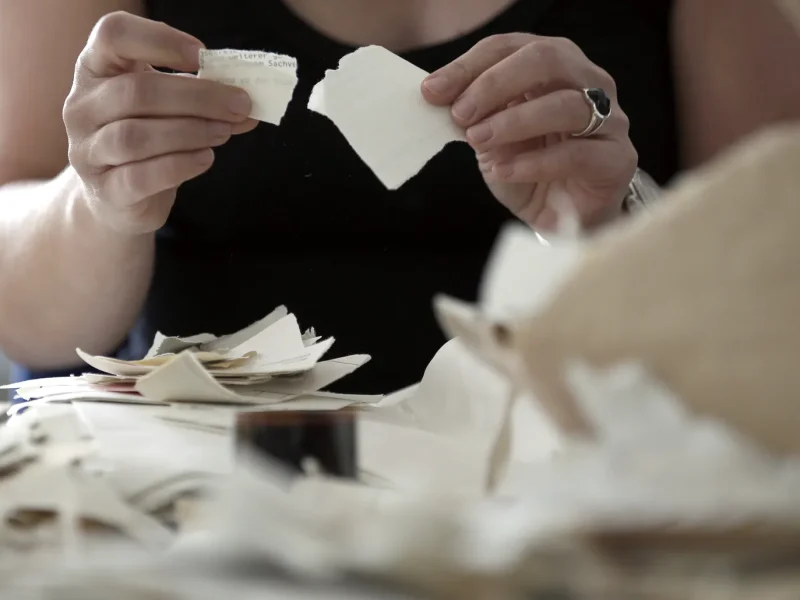
Reflecting on ‘Pastor Spies’ in Minnesota
This issue of A Public Witness contemplates historical parallels between the Stasi secret police force in East Germany targeting activist Lutheran congregations and DHS agents spying inside ELCA churches today.
After Religious Pushback, Trump Says Pentagon Won’t Livestream Execution
President Donald Trump announced Thursday (Oct. 15) that the Pentagon will not livestream the execution of the Fort Hood shooter, backing away from a proposal that triggered widespread pushback from prominent religious leaders.
Why Christians Need the NFL
As Christians, we are called to be citizens of heaven — currently residing on earth — so we should learn to talk like it.
Church
Barred From the U.S., a Pastor Leads his Wisconsin Church From Guatemala
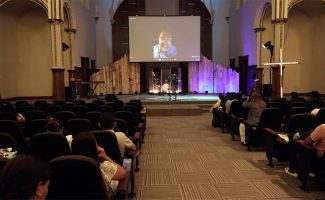
RNS found at least 25 immigrant pastors were detained, deported or otherwise separated from their churches. While Rev. Esdras Paredes ministers via video, his congregation sells tamales to raise funds and prays for a miracle.
An Act Against One Church Is An Act Against All
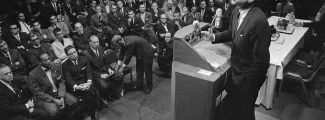
This issue of A Public Witness looks at how some Republican politicians are attacking the faith of mainline Christians and how United Methodists are pushing back against the bigotry.
An Indianapolis Church Turned an AR-15 Into a Garden Tool
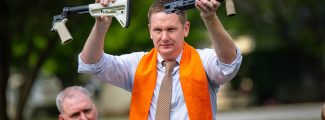
A national, faith-based movement called “Guns to Gardens” has the goal of getting guns off the streets and giving people a safe way to dispose of them.
Nation
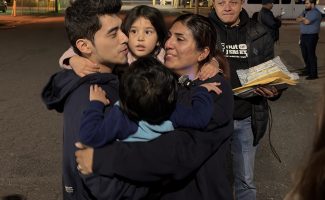
Immigrant Who Helped Set Off Delaney Hall Hunger Strike Released From ICE Custody
'I don’t have words,' Martín Alonso Soto Hernandez said in Spanish while holding his wife and two children. 'Thank you so much for everything. I always, always stayed in prayer.'
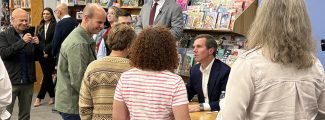
Andy Beshear Wants Americans to Emulate the Good Samaritan, Not Trump
The Kentucky governor's book tour to promote 'Go and Do Likewise,' a book about faith and politics, has been seen as a precursor to a run for president in 2028.
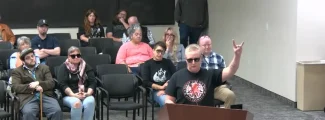
Christian Nationalism Backfires With Satanic City Council Prayers
This issue of A Public Witness pulls back the curtain to explore self-defeating efforts from the religious right in Washington and Iowa.
World
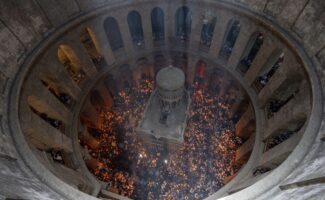
An AP Reporter Spends the Night Locked Inside Jerusalem’s Holiest Church With Clergy and Pilgrims
The Church of the Holy Sepulcher was built over the spots where Christians believe Jesus was crucified, buried, and rose from the dead.
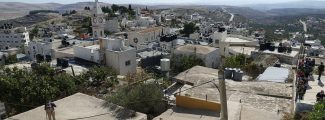
Settler Attacks Threaten the West Bank’s Final Christian Village
As Israeli settler violence escalates in Taybeh, church leaders and organizations are working to give Palestinian Christians security, jobs, and community support to remain in the Holy Land.
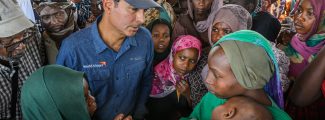
After Cuts, Trump Administration Gives $2B to Christian Groups for Global Aid
The funding for humanitarian assistance abroad does not appear to include any U.S. based non-Christian groups in the aftermath of USAID's shutdown.
Editorials
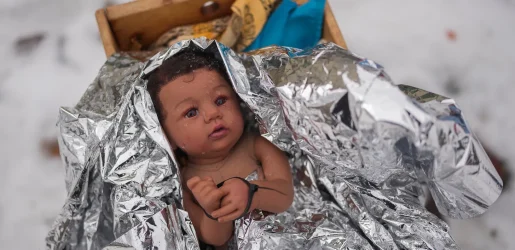
Unsettling Advent 2025, Day 21
We should all be concerned about government officials anointing themselves as the arbiters of what a Nativity scene should look like. Sadly, too many Christians today willingly side with Herod.
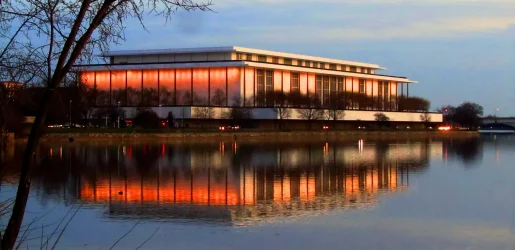
Worshipwashing Christmas at the Kennedy Center
Editor-in-Chief Brian Kaylor reflects on the Christmas narrative in the Gospel of Matthew and an upcoming Christmas program at the Kennedy Center in the aftermath of Donald Trump taking it over.
Unsettling Advent 2025, Day 11
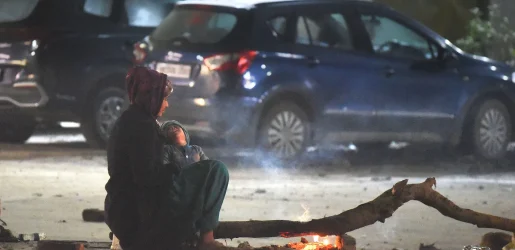
The remarkable part of the Christmas story is that God decided to come as one of us. The incarnation means Jesus cried out at birth, announcing the breath of life in the one who breathes life into us.
Word&Way Voices
A Town Full of Churches: What Happens When Institutions Fail to Address Addiction?
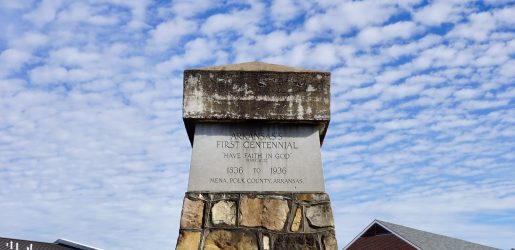
Across rural America, the same pattern repeats: high church density, persistent poverty, substance abuse crises, and the absence of systems capable of addressing problems at scale. Why do individual Christians often appear more effective than the organizations built in Christianity’s name?
Challenging Trump’s Efforts to Whitewash Our History
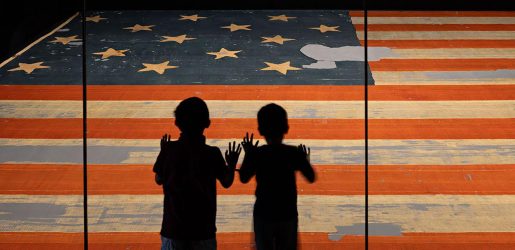
Education should open minds to facts, science, and our history — not close doors to them. Regressive-thinking adults prefer to hide facts and truth from students, as exhibited in the recent order from President Trump adding warning signs to the Smithsonian’s National Museum of American History.
Susannah Crockford Traces How Protestant Themes Frame Discourse Around Climate Change
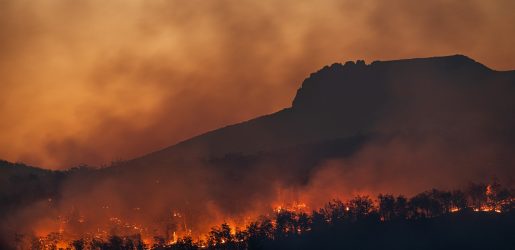
The anthropologist discusses her new book, why many Western countries are having trouble responding to climate issues, and how theological motifs relate to fossil fuels and artificial intelligence.
E-Newsletter
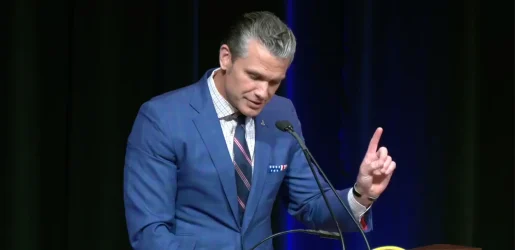
Hegseth Praises Bari Weiss’s ‘60 Minutes’ at Pentagon Worship Service
Wesley Welch of King’s Church DC delivered the sermon, becoming the ninth Southern Baptist pastor to preach out of 17 total services.
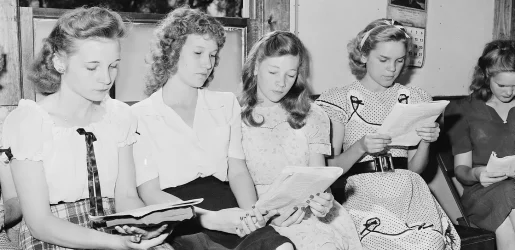
Performative Submission and the Gospel of Free Market Capitalism
This issue of A Public Witness features an interview with Kristin Kobes Du Mez about her new book 'Live Laugh Love: The Secret History of White Christian Women and the World They Made.'
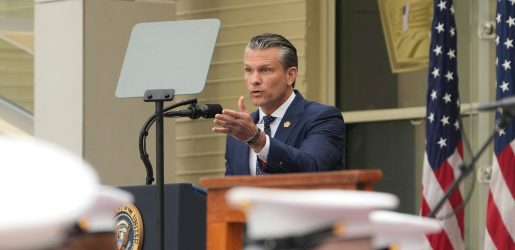
Hegseth Uses 9/11 Pentagon Ceremony to Push Religious War
The head of the U.S. military — who has Crusader imagery tattooed on his body and the cover of his Bible — spent the anniversary promising divine violence.
-
Claiming God's Name in Politics, War, & Sports
 This episode of Dangerous Dogma features a conversation between Word&Way Editor Brian Kaylor, Lutheran minister and journalist Angela Denker, and Disciples pastor and author Beau Underwood. The conversation includes discussion about a botched execution in Tennessee, religious issues in political campaigns, and Pete Hegseth's misuse of the Bible. And Beau shows off his White Sox…
 -
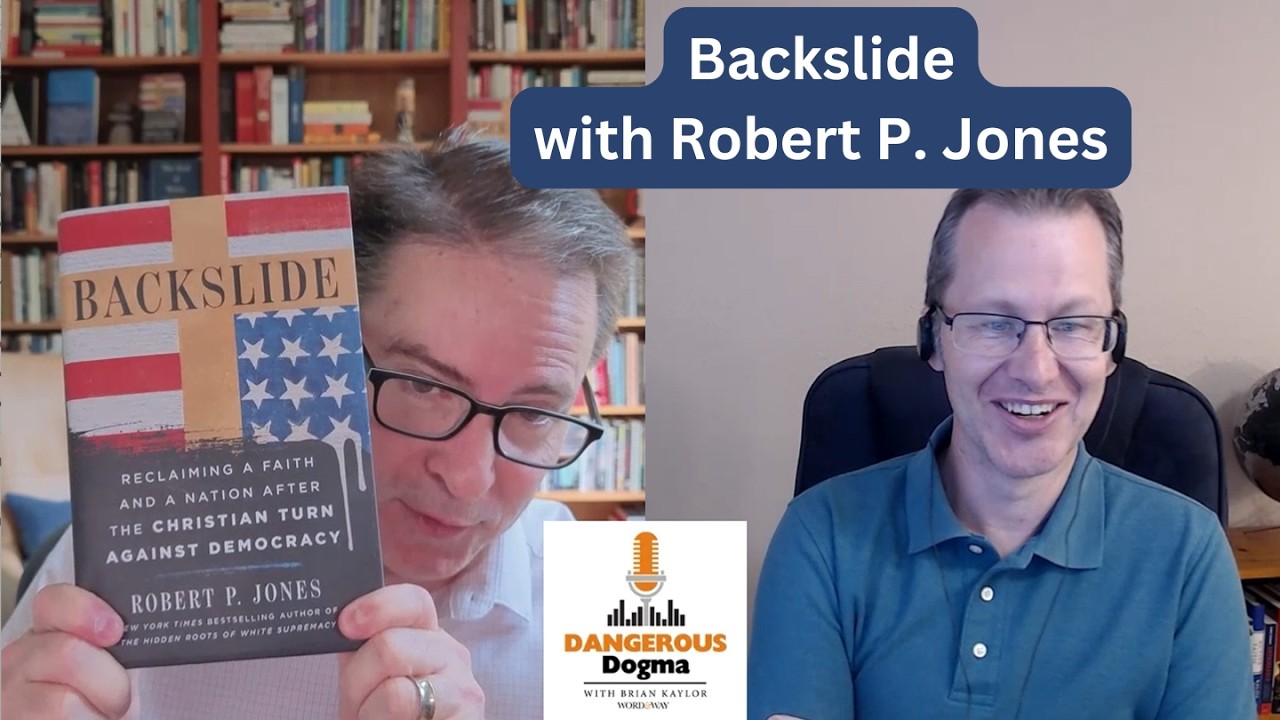
Backslide with Robert P. Jones
This episode of Dangerous Dogma features a conversation between Word&Way Editor Brian Kaylor and Robert P. Jones, author of the forthcoming book Backslide: Reclaiming a Faith and a Nation After the Christian Turn Against Democracy. Jones is also the founder and president of PRRI. He previously appeared on Dangerous Dogma in 2023. You can watch a… -
DHS Spies on Churches & White Sox Honor Pope Leo
This episode of Dangerous Dogma features a conversation between Word&Way Editor Brian Kaylor, Lutheran minister and journalist Angela Denker, and Disciples pastor and author Beau Underwood. The conversation includes discussion about revelations that the Department of Homeland Security has been spying in churches, a controversial golf ad, and a White Sox night celebrating Pope Leo.… -
The State of the Senate, from SC to ME to TX to KS
This episode of Dangerous Dogma features a conversation between Word&Way Editor Brian Kaylor, Lutheran minister and journalist Angela Denker, and Disciples pastor and author Beau Underwood. The conversation includes discussion about the death of Sen. Lindsey Graham as well as issues of faith and morality in Senate races in Maine, Texas, and Kansas. You can… -
Southern Baptists, the Pentagon, & UFC
This episode of Dangerous Dogma features a conversation between Word&Way Editor Brian Kaylor, Lutheran minister and journalist Angela Denker, and Disciples pastor and author Beau Underwood. The conversation includes discussion about the Southern Baptist Convention's push against women in ministry, the Pentagon changing how it codes the faith of military members, and the latest in… -
Southern Baptists, Women in Ministry, & a Billboard
In this episode, Word&Way President Brian Kaylor talks with Meredith Stone, executive director of Baptist Women in Ministry. The conversation includes discussion of efforts in the Southern Baptist Convention to further target women serving in churches and how BWIM is advocating for women (including with a billboard to greet SBC messengers next week in Orlando,… -
Divergent Visions for Rededicating the Nation
This episode of Dangerous Dogma features a conversation between Word&Way Editor Brian Kaylor, Lutheran minister and journalist Angela Denker, and Disciples pastor and author Beau Underwood. The conversation includes discussion about Rededicate 250, gerrymandering, Adam Hamilton's Senate campaign in Kansas, and the MAHA movement. You can watch a video version of the conversation here. Here are a few pieces… -
The Christian Past That Wasn't
In this episode, Word&Way President Brian Kaylor talks with Warren Throckmorton, a retired professor who has spent years debunking false claims by Christian Nationalist pseudo-historian David Barton. Throckmorton is the author of the new book, The Christian Past that Wasn't: Debunking the Christian Nationalist Myths that Hijack History. You can watch a video version of… -
Trump vs. Leo
This episode of Dangerous Dogma features a conversation between Word&Way Editor Brian Kaylor, Lutheran minister and journalist Angela Denker, and Disciples pastor and author Beau Underwood. The conversation includes discussion about President Donald Trump's attacks on Pope Leo XIV, Leo's witness against the Iran war, Trump's AI image of himself as Jesus, and the electoral… -
Fight Like Jesus with Jason Porterfield (Reissue)
In this episode, Word&Way President Brian Kaylor talks with Jason Porterfield about his book Fight Like Jesus: How Jesus Waged Peace. This episode originally aired in 2023, except for a new introduction noting a violent prayer by Pete Hegseth during a recent Pentagon worship service and Palm Sunday comments by Pope Leo XIV. Note: Don't forget…


Books
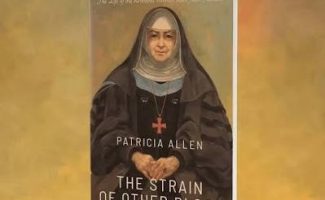
Review: The Strain of Other Blood
Having a biography of an Episcopal Church nun, especially an African American Episcopal nun, is worth taking note of.
Review: Apocalypticism as a Worldview in Ancient Judaism
In this compelling study, renowned scholar John J. Collins shows that apocalyptic concerns extend beyond specific historical crises to fundamental questions of human mortality and limitation.
Review: We Believe
Written from a Christian perspective, this comparative theological exercise puts Muslims and Christians in a dialogue over faith and doctrines.

Review: Gratitude to God
Philosopher Kent Dunnington invites us to move beyond pop psychology and reclaim a robustly biblical understanding of thanksgiving, one that transforms how we experience life, suffering, and God's generosity.