

Sign up to receive full essays in your inbox!

Featured

Summer Reads 2026
For this issue of A Public Witness, we offer our fifth annual list of books recommended by Word&Way writers that will be perfect for wherever you find your happy place this summer.
‘The Sheep Detectives’ Reveals Holy Mysteries
Besides being an enjoyable and charming moviegoing experience, the new film — based on a German book called ‘Three Bags Full’ by Leonie Swann — is full of unexpected Christian imagery.
In Our Image
For the inaugural entry in a series on religion and AI, a biblical scholar and ethicist considers what the Christian tradition has to offer this topic — not as a set of answers, but as a way of asking better questions.
Church

At 175, a Brooklyn Church Turns to Film to Preserve Its Legacy for a New Generation
Jahleel Hills, a 27-year-old filmmaker and sixth-generation member of Berean Baptist Church, has teamed up with church elders to ensure its story reaches and inspires the next generation.
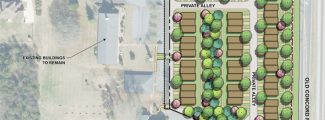
For a Small Charlotte Church, Selling Some Land Has Meant Finding Its Soul
Newell Presbyterian is part of a growing trend of declining congregations with underutilized space, excess land or deteriorating buildings that are selling or leasing some of their land for affordable housing.
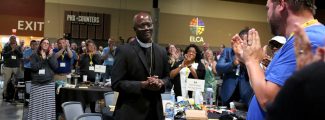
How a Former Schoolteacher Became the Next Lutheran Presiding Bishop
The Rev. Yehiel Curry, a former lay church planter, will be installed as presiding bishop of the Evangelical Lutheran Church in America in October.
Nation
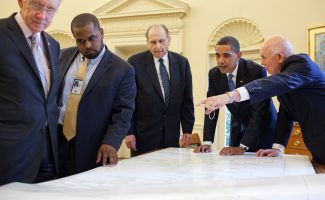
From Bush to Obama to Trump, White House Faith Office Persists at 25 Years
‘It’s unusual for a president to continue a signature White House office of his predecessor of a different political party,’ said Melissa Rogers, twice director of the White House faith-based office.
3 Democratic Pastors in Iowa Are Running for Congress, a Snapshot of a National Trend
After years of white Christians overwhelmingly supporting Republican Donald Trump, a striking number of clergy are currently running for political office as Democrats.
Interrupting Worship for a Candidate
This issue of A Public Witness heads down to Georgia to consider the devil in the details of the race to determine who will be the next Republican nominee for governor.
World
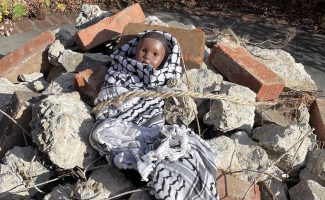
From DC to the Vatican, Baby Jesus Is Wearing a Keffiyeh
The pro-Palestinian creche is intended to point out the disconnect between the idealized Bethlehem of most representations and the reality in present-day Gaza and the West Bank.
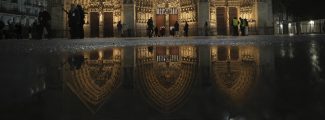
The Spiritual Heart of Paris Awakens: Notre Dame Hosts First Mass Since 2019 Fire
Notre Dame’s journey from ruin to resurrection was defined by extraordinary craftsmanship, nearly $1 billion in global donations, and a collective, unyielding determination to rebuild.
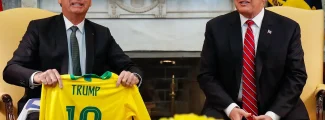
Bolsonaro’s Indictment in Brazil Stirs Conservative Christian Supporters’ Outrage
After police indicted 37 individuals, including a Catholic priest, evangelical Christian supporters of the right-wing former president called the investigation an effort by the current president to persecute Brazil's conservatives.
Editorials
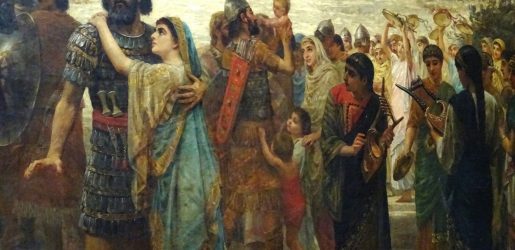
Don’t Let Governor Jephthah Sacrifice Innocent Lives
Governors across the country recently started lifting coronavirus restrictions even as health experts warn it’s too soon to reopen. With the rashness of the biblical Judge Jephthah, many governors push ahead with their plans even though it means sacrificing lives.
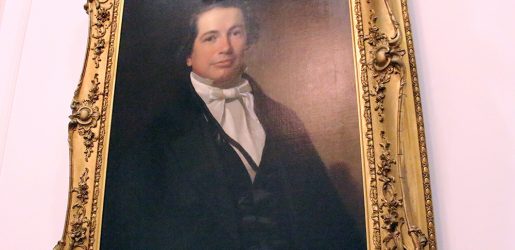
The Danger of Succumbing to Our History
Last week, Southern Seminary President Al Mohler sparked controversy as he reversed course and endorsed President Donald Trump’s reelection. But should we really expect anything different from a man who continues to affirm the theology of slaveholders who damned people to hell on Earth just because of the color of
Living in Post-Easter Pain
Easter came and went over the weekend, and we find ourselves in much the same place as if nothing changed. But, what if Easter isn’t the end of the story? What if life's victory over death has begun, but isn’t yet complete?
Word&Way Voices
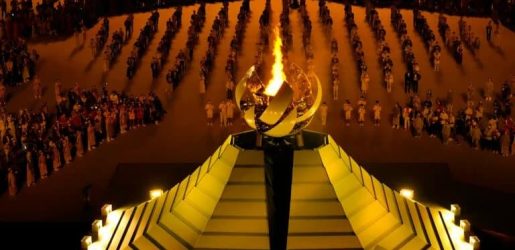
Descending Mount Olympus
Contributing writer Sarah Blackwell reflects on what spiritual practices we can take from this summer’s Olympics as we all move on to this next season of our lives.
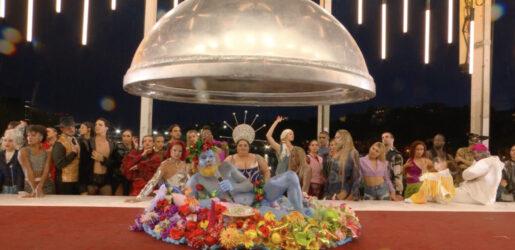
People of Faith Need to Respect Human Lives and Not Worry About the Olympics
As a Palestinian Christian, Daoud Kuttab has often felt that defending symbolism can be an easy replacement for the practice of faith in action. He argues that this is certainly the case with a recent Olympics controversy.
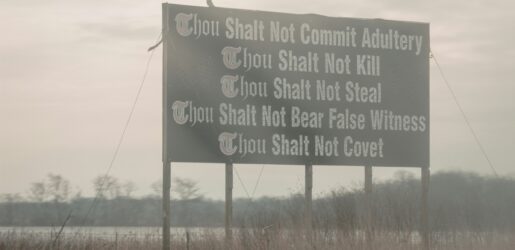
Why Forced Posting of the Ten Commandments Weakens Both Church and State
Contributing writer Greg Mamula walks through the various biblical, theological, and civic concerns raised by Louisiana’s attempt to mandate display of the Ten Commandments in every public school classroom.
E-Newsletter
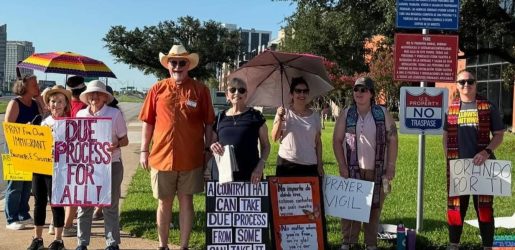
Dallas Clergy ‘Bear Witness’ With Prayer Vigils Outside ICE Office
Mara Richards Bim, the new Justice and Advocacy Fellow at Royal Lane Baptist Church in Dallas, spoke about how to bridge what we talk about in church and political action.
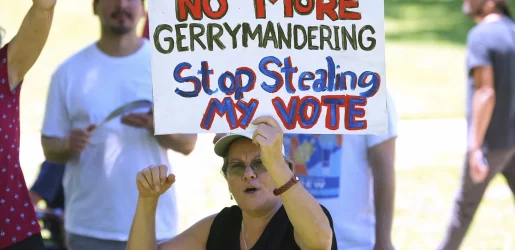
Gerrymandering the Bible
The opening chapter to “The Bible According to Christian Nationalists,” which officially releases in eight weeks, is fortunately (and unfortunately) quite timely. We are sharing an excerpt from it here.
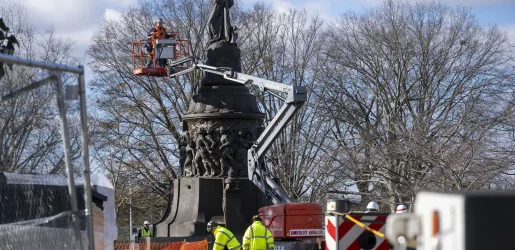
God and the Confederacy in Arlington
With Pete Hegseth resurrecting a Confederate memorial in Arlington National Cemetery, this issue of A Public Witness looks back at how prayer was used to bless its White Supremacy ideology.
-
Claiming God's Name in Politics, War, & Sports
 This episode of Dangerous Dogma features a conversation between Word&Way Editor Brian Kaylor, Lutheran minister and journalist Angela Denker, and Disciples pastor and author Beau Underwood. The conversation includes discussion about a botched execution in Tennessee, religious issues in political campaigns, and Pete Hegseth's misuse of the Bible. And Beau shows off his White Sox…
 -
Backslide with Robert P. Jones
This episode of Dangerous Dogma features a conversation between Word&Way Editor Brian Kaylor and Robert P. Jones, author of the forthcoming book Backslide: Reclaiming a Faith and a Nation After the Christian Turn Against Democracy. Jones is also the founder and president of PRRI. He previously appeared on Dangerous Dogma in 2023. You can watch a… -
DHS Spies on Churches & White Sox Honor Pope Leo
This episode of Dangerous Dogma features a conversation between Word&Way Editor Brian Kaylor, Lutheran minister and journalist Angela Denker, and Disciples pastor and author Beau Underwood. The conversation includes discussion about revelations that the Department of Homeland Security has been spying in churches, a controversial golf ad, and a White Sox night celebrating Pope Leo.… -
The State of the Senate, from SC to ME to TX to KS
This episode of Dangerous Dogma features a conversation between Word&Way Editor Brian Kaylor, Lutheran minister and journalist Angela Denker, and Disciples pastor and author Beau Underwood. The conversation includes discussion about the death of Sen. Lindsey Graham as well as issues of faith and morality in Senate races in Maine, Texas, and Kansas. You can… -
Southern Baptists, the Pentagon, & UFC
This episode of Dangerous Dogma features a conversation between Word&Way Editor Brian Kaylor, Lutheran minister and journalist Angela Denker, and Disciples pastor and author Beau Underwood. The conversation includes discussion about the Southern Baptist Convention's push against women in ministry, the Pentagon changing how it codes the faith of military members, and the latest in… -
Southern Baptists, Women in Ministry, & a Billboard
In this episode, Word&Way President Brian Kaylor talks with Meredith Stone, executive director of Baptist Women in Ministry. The conversation includes discussion of efforts in the Southern Baptist Convention to further target women serving in churches and how BWIM is advocating for women (including with a billboard to greet SBC messengers next week in Orlando,… -
Divergent Visions for Rededicating the Nation
This episode of Dangerous Dogma features a conversation between Word&Way Editor Brian Kaylor, Lutheran minister and journalist Angela Denker, and Disciples pastor and author Beau Underwood. The conversation includes discussion about Rededicate 250, gerrymandering, Adam Hamilton's Senate campaign in Kansas, and the MAHA movement. You can watch a video version of the conversation here. Here are a few pieces… -
The Christian Past That Wasn't
In this episode, Word&Way President Brian Kaylor talks with Warren Throckmorton, a retired professor who has spent years debunking false claims by Christian Nationalist pseudo-historian David Barton. Throckmorton is the author of the new book, The Christian Past that Wasn't: Debunking the Christian Nationalist Myths that Hijack History. You can watch a video version of… -
Trump vs. Leo
This episode of Dangerous Dogma features a conversation between Word&Way Editor Brian Kaylor, Lutheran minister and journalist Angela Denker, and Disciples pastor and author Beau Underwood. The conversation includes discussion about President Donald Trump's attacks on Pope Leo XIV, Leo's witness against the Iran war, Trump's AI image of himself as Jesus, and the electoral… -
Fight Like Jesus with Jason Porterfield (Reissue)
In this episode, Word&Way President Brian Kaylor talks with Jason Porterfield about his book Fight Like Jesus: How Jesus Waged Peace. This episode originally aired in 2023, except for a new introduction noting a violent prayer by Pete Hegseth during a recent Pentagon worship service and Palm Sunday comments by Pope Leo XIV. Note: Don't forget…


Books
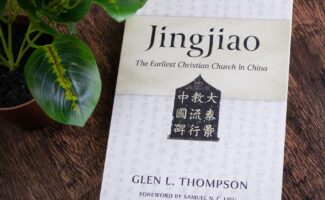
Review: Jingjiao
In "Jingjiao: The Earliest Christian Church in China," Glen L. Thompson introduces readers to the surprising history of the early Eastern church — referred to as Jingjiao, or the Luminous Teaching.
Review: God Gave Rock and Roll to You
In "God Gave Rock and Roll to You: A History of Contemporary Christian Music," Leah Payne traces the history and trajectory of CCM and how it has shaped evangelicals.
Review & Giveaway: Jesus’ Vision for Your One Wild and Precious Life
This issue of A Public Witness unpacks the unique angle explored in the latest Mike Graves book “Jesus’ Vision for Your One Wild and Precious Life: (on Things Like Poverty, Hunger, Polarization, Inclusion, and More).”

Review: Reckoning With Power
In "Reckoning With Power: Why the Church Fails When It's on the Wrong Side of Power," David E. Fitch argues that the church should cooperate with God's power through presence among the least powerful.