

Sign up to receive full essays in your inbox!

Featured
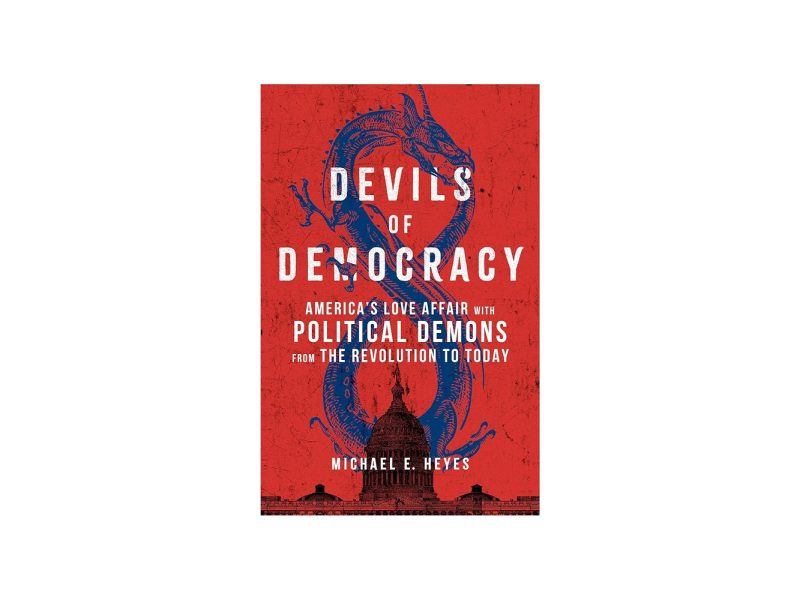
Review: Devils of Democracy
From the founding fathers to the rise of Christian Nationalism, this new book from Michael E. Heyes reveals how America's centuries-long obsession with evil has shaped — and endangered — the United States.
Planned Public Execution Sparks Debate of Biblical Proportions
This issue of A Public Witness considers the claims that ‘the Bible says so’ and the diverse Christian voices opposing the snuff film planned by the Crusader leading the Pentagon.
Black Church Leaders Broaden Voter Outreach Ahead of Midterm Elections
‘We have to try to make it so big it can't be rigged,’ Michigan Baptist leader the Rev. James C. Perkins said of voter turnout efforts.
Church
RNS Tracked the Religious Lawsuits Against Trump’s Immigration Policies. Here’s What We Found.
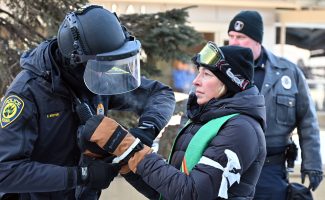
Eighty religious plaintiffs from 11 major faith traditions have joined lawsuits challenging the Trump administration’s immigration policies, according to a tracker developed by RNS with the Law, Rights, and Religion Project.

Performative Submission and the Gospel of Free Market Capitalism
This issue of A Public Witness features an interview with Kristin Kobes Du Mez about her new book 'Live Laugh Love: The Secret History of White Christian Women and the World They Made.'
At NBCUSA Denominational Meeting, Leaders, Advocates, and AOC Urge Midterm Voter Turnout
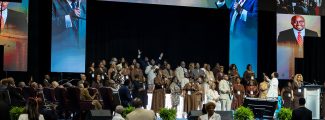
‘They're trying to make voting difficult, but you stand in line if you got to stand all day,’ said the Rev. Boise Kimber, president of the National Baptist Convention USA Inc. ‘You are immovable.’
Nation
Televangelist Jim Bakker, Once Imprisoned for Scandal, Dies at 86
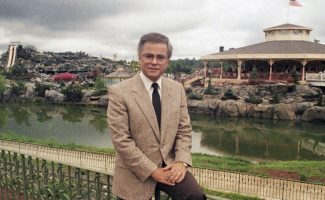
By the time Bakker and his first wife, Tammy Faye, were forced to give up their Praise the Lord ministry — known as PTL — in 1987, they were a well-known television couple with a loyal following.
‘I’m Standing With Isaiah’: Warnock Blasts Hegseth for ‘Twisting the Scripture’
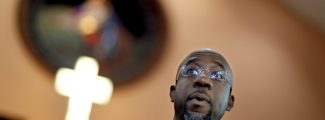
The defense secretary’s conscription of Isaiah 6:8’s ‘send me’ to promote military recruitment has also drawn rebukes from Christian Nationalist figures such as pastor/commentator Joel Webbon and former Rep. Marjorie Taylor Greene.
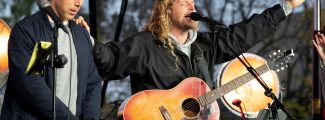
Donor Revives Fraud Claims Against Christian Worship Leader Sean Feucht Over a $250,000 Donation
According to court documents, Feucht sought a donation for his Kingdom to Capitol Tour, which he planned to take to all 50 states. The donor agreed to fund five tour stops for a total of $250,000, but later discovered that Feucht’s entire concert tour had been fully funded.
World
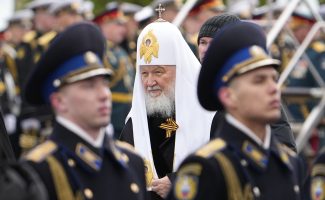
Nuclear Weapons as ‘God’s Grace and Mercy’?
This issue of A Public Witness looks at how the head of the Russian Orthodox Church nukes God’s grace and mercy before considering how it serves as a warning about militaristic Christian Nationalism more broadly.
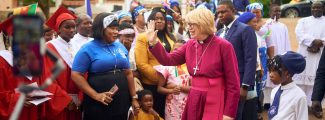
Archbishop Mullally Ends Africa Tour With Calls for Healing From Church’s Role in Slavery
The trip marked Mullally's first visit to Africa and highlighted the Church of England's controversial reparations fund to address its historic links to slavery.
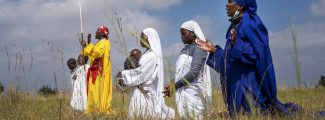
South African Faith Leaders Respond to Prolonged Anti-Migrant Violence
Churches are calling for restraint, humanitarian support, and law and order as xenophobic unrest deepens.
Editorials

Unsettling Advent 2025, Day 1
For the first entry in our series this year, Word&Way president and editor-in-chief Brian Kaylor reflects on this week’s theme: Advent in a time of religious nationalism.
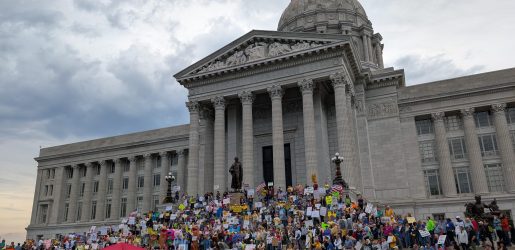
No Kings, No Christian Nationalism
On Saturday (Oct. 18), millions of people attended “No Kings” rallies at about 2,600 locations across the country. Here are the remarks by Brian Kaylor at No Kings rally on the steps of the Missouri Capitol in Jefferson City.

The Book Review That Wasn’t
Brian Kaylor didn’t expect World magazine to like his new book, "The Bible According to Christian Nationalists." But he did anticipate that if the influential conservative Christian publication reviewed it, they would at least do so honestly. Apparently, that was expecting too much.
Word&Way Voices
Let’s Make Texas Senate Race About Character
James Talarico’s attempt to make the election about ethos — character, credibility, and integrity — throws a Nolan Ryan fastball at Ken Paxton and MAGA and showcases their departure from 1990s conservative Christianity.
Demanded by God: Bad Faith and the Weaponization of Sacred Text
The Israel-U.S.-Iran conflict has seen an appeal to scripture from many of the involved leaders. But the moment God is invoked as argument rather than moral motivation, the willingness to be wrong is surrendered.
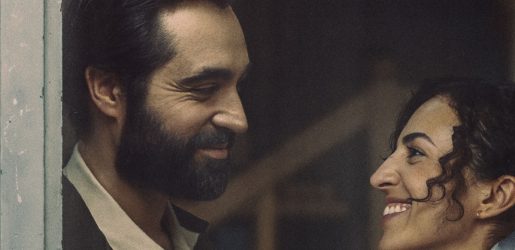
‘Cast Aside the Clouds’ Removes the Veil on Baha’i Persecution in Iran
Set in modern-day Tehran, the new film premiering in Chicago this weekend is both a forbidden love story and a depiction of the steadfast faith of the Baha’i community amidst ongoing oppression.
E-Newsletter
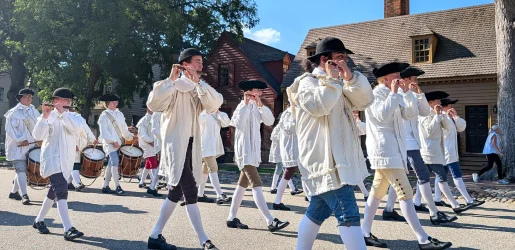
Celebrating Religious Liberty at Colonial Williamsburg
This issue of A Public Witness takes you inside a recent conference that celebrated America’s heritage of religious freedom, with a special Seventh-day Adventist flavor.
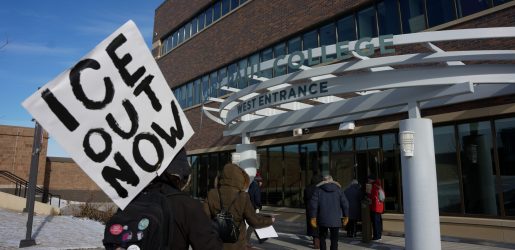
‘A Weaponized Bureaucracy That Chills First Amendment Activity’
As the Trump administration claims ‘anti-Christian bias’ under Biden, activists and mainline Protestant denominations are pushing back against ‘church invasions by ICE.’
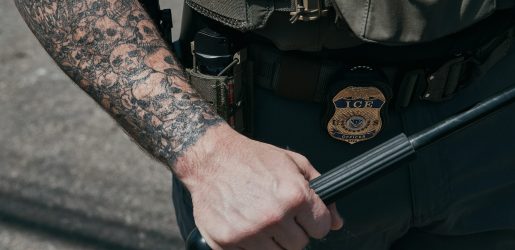
DHS Denies Violating Injunction, but Refuses to Give Evidence or Detail Extent of Church Spying
The Department of Homeland Security insists its surveillance at University Baptist Church and other houses of worship was only about alleged criminal violations unrelated to immigration.
-
Claiming God's Name in Politics, War, & Sports
 This episode of Dangerous Dogma features a conversation between Word&Way Editor Brian Kaylor, Lutheran minister and journalist Angela Denker, and Disciples pastor and author Beau Underwood. The conversation includes discussion about a botched execution in Tennessee, religious issues in political campaigns, and Pete Hegseth's misuse of the Bible. And Beau shows off his White Sox…
 -
Backslide with Robert P. Jones
This episode of Dangerous Dogma features a conversation between Word&Way Editor Brian Kaylor and Robert P. Jones, author of the forthcoming book Backslide: Reclaiming a Faith and a Nation After the Christian Turn Against Democracy. Jones is also the founder and president of PRRI. He previously appeared on Dangerous Dogma in 2023. You can watch a… -
DHS Spies on Churches & White Sox Honor Pope Leo
This episode of Dangerous Dogma features a conversation between Word&Way Editor Brian Kaylor, Lutheran minister and journalist Angela Denker, and Disciples pastor and author Beau Underwood. The conversation includes discussion about revelations that the Department of Homeland Security has been spying in churches, a controversial golf ad, and a White Sox night celebrating Pope Leo.… -
The State of the Senate, from SC to ME to TX to KS
This episode of Dangerous Dogma features a conversation between Word&Way Editor Brian Kaylor, Lutheran minister and journalist Angela Denker, and Disciples pastor and author Beau Underwood. The conversation includes discussion about the death of Sen. Lindsey Graham as well as issues of faith and morality in Senate races in Maine, Texas, and Kansas. You can… -
Southern Baptists, the Pentagon, & UFC
This episode of Dangerous Dogma features a conversation between Word&Way Editor Brian Kaylor, Lutheran minister and journalist Angela Denker, and Disciples pastor and author Beau Underwood. The conversation includes discussion about the Southern Baptist Convention's push against women in ministry, the Pentagon changing how it codes the faith of military members, and the latest in… -
Southern Baptists, Women in Ministry, & a Billboard
In this episode, Word&Way President Brian Kaylor talks with Meredith Stone, executive director of Baptist Women in Ministry. The conversation includes discussion of efforts in the Southern Baptist Convention to further target women serving in churches and how BWIM is advocating for women (including with a billboard to greet SBC messengers next week in Orlando,… -
Divergent Visions for Rededicating the Nation
This episode of Dangerous Dogma features a conversation between Word&Way Editor Brian Kaylor, Lutheran minister and journalist Angela Denker, and Disciples pastor and author Beau Underwood. The conversation includes discussion about Rededicate 250, gerrymandering, Adam Hamilton's Senate campaign in Kansas, and the MAHA movement. You can watch a video version of the conversation here. Here are a few pieces… -
The Christian Past That Wasn't
In this episode, Word&Way President Brian Kaylor talks with Warren Throckmorton, a retired professor who has spent years debunking false claims by Christian Nationalist pseudo-historian David Barton. Throckmorton is the author of the new book, The Christian Past that Wasn't: Debunking the Christian Nationalist Myths that Hijack History. You can watch a video version of… -
Trump vs. Leo
This episode of Dangerous Dogma features a conversation between Word&Way Editor Brian Kaylor, Lutheran minister and journalist Angela Denker, and Disciples pastor and author Beau Underwood. The conversation includes discussion about President Donald Trump's attacks on Pope Leo XIV, Leo's witness against the Iran war, Trump's AI image of himself as Jesus, and the electoral… -
Fight Like Jesus with Jason Porterfield (Reissue)
In this episode, Word&Way President Brian Kaylor talks with Jason Porterfield about his book Fight Like Jesus: How Jesus Waged Peace. This episode originally aired in 2023, except for a new introduction noting a violent prayer by Pete Hegseth during a recent Pentagon worship service and Palm Sunday comments by Pope Leo XIV. Note: Don't forget…


Books
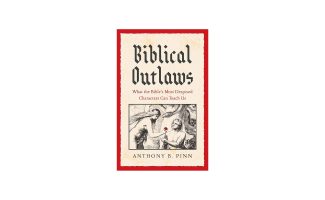
Review: Biblical Outlaws
Scholar Anthony B. Pinn offers a revelatory exploration of what the Bible's underdogs and forgotten figures can teach us about our humanity.

Book Recommendation: Skipping School
In detailing the evolution of homeschooling in the United States, this book is an enjoyable and enlightening read that challenges preconceptions and invites new, more informed questions.

Review: Sacred Rebel
Author Jerry Zehr, a longtime interfaith leader, draws on his practical wisdom to explore the part of us that refuses to let fear have the final word.

Review: The Didache Discoveries
This groundbreaking study digs beneath the surface of one of early Christianity's most enigmatic documents and finds there two texts hidden side by side for nearly two millennia.