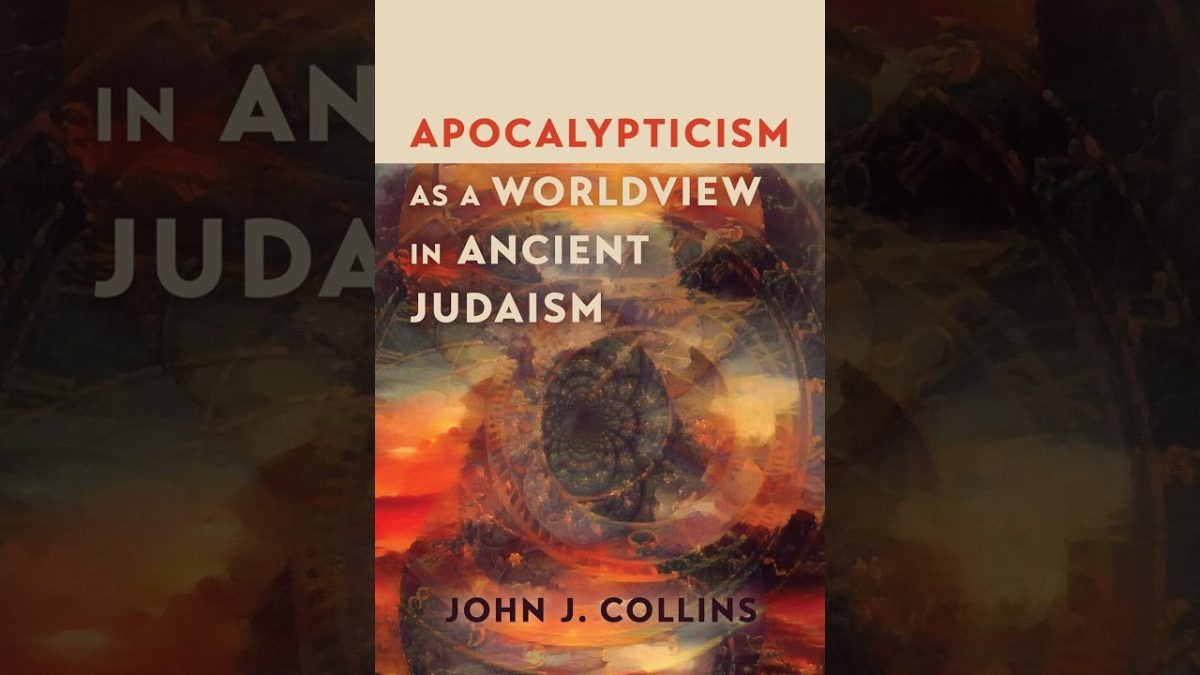
Review: Apocalypticism as a Worldview in Ancient Judaism
In this compelling study, renowned scholar John J. Collins shows that apocalyptic concerns extend beyond specific historical crises to fundamental questions of human mortality and limitation.

In this compelling study, renowned scholar John J. Collins shows that apocalyptic concerns extend beyond specific historical crises to fundamental questions of human mortality and limitation.
The anthropologist discusses her new book, why many Western countries are having trouble responding to climate issues, and how theological motifs relate to fossil fuels and artificial intelligence.

This issue of A Public Witness considers some dangerous voices against climate action and then the Christians working to love their neighbors and the Creator by addressing our pressing environmental crisis.

When Christianity becomes publicly associated with nationalist aggression and eagerness for war, it presents a face to the world that is, by any honest reading of the New Testament, a misrepresentation of the faith.
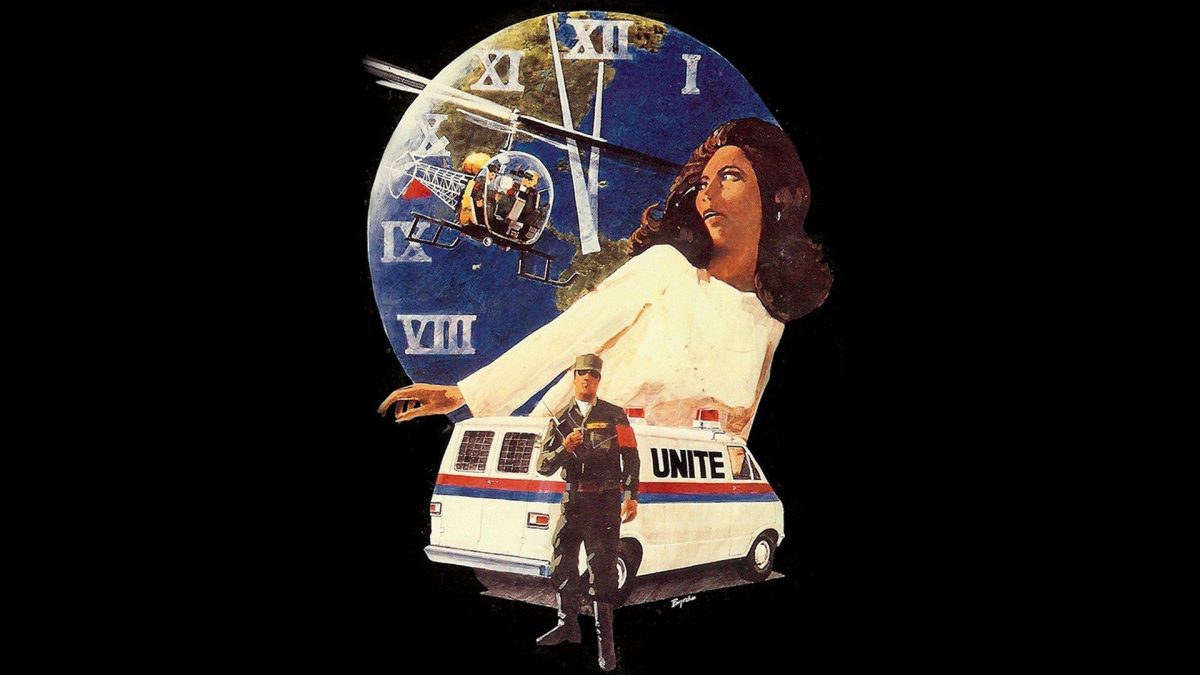
The Rapture is near — at least according to a viral apocalyptic prophecy by one South African man. Here’s a look at the theological concept of the Rapture and its role in history.

In "Church Conflicts: The Cross, Apocalyptic, and Political Resistance," noted New Testament scholar Ernst Käsemann explores the significance of Christian apocalyptic for the church in times of crisis.

For some, fear-saturated stories about the rapture can generate lifelong panic, paranoia, and anxiety.
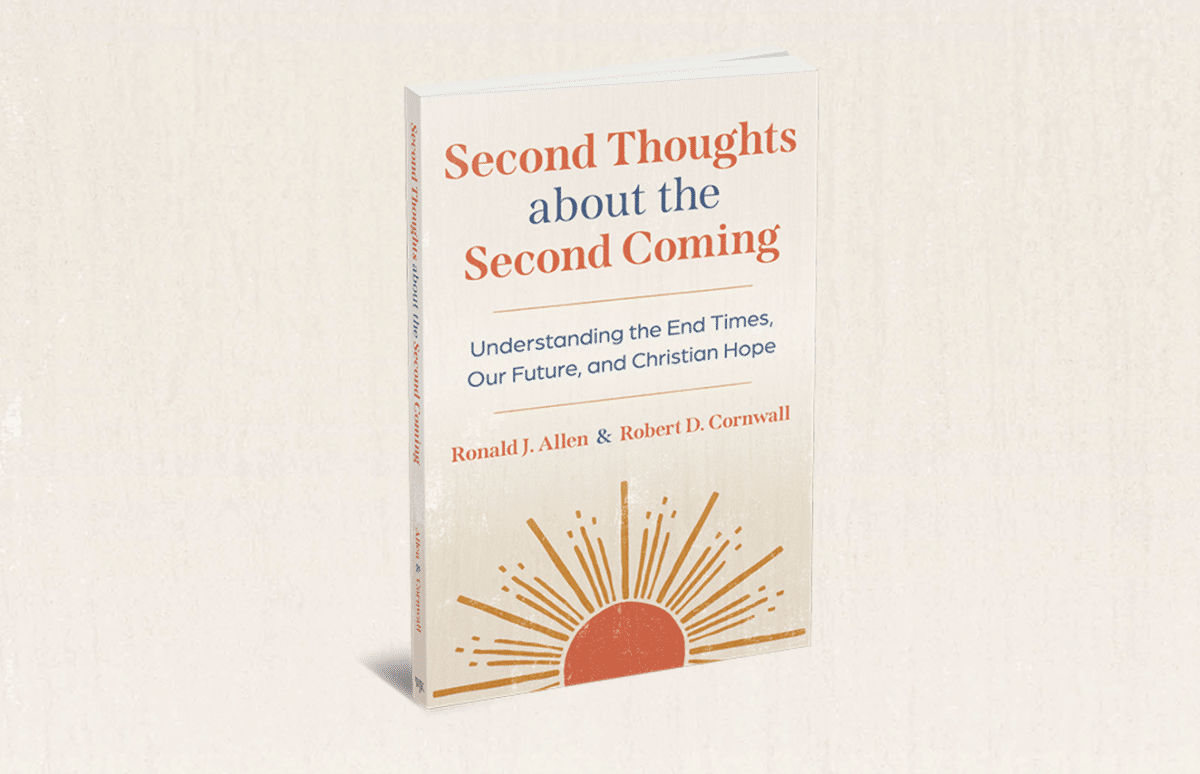
Jeremy Fuzy reviews "Second Thoughts about the Second Coming: Understanding the End Times, Our Future, and Christian Hope" by Ronald J. Allen and Robert D. Cornwall. This book explores the apocalypse from a mainline Protestant perspective.

In episode 62 of Dangerous Dogma, Thomas Lecaque, professor of history at Grand View University, talks about alarming issues of religious and political support for violence. He also discusses the importance of studying history.
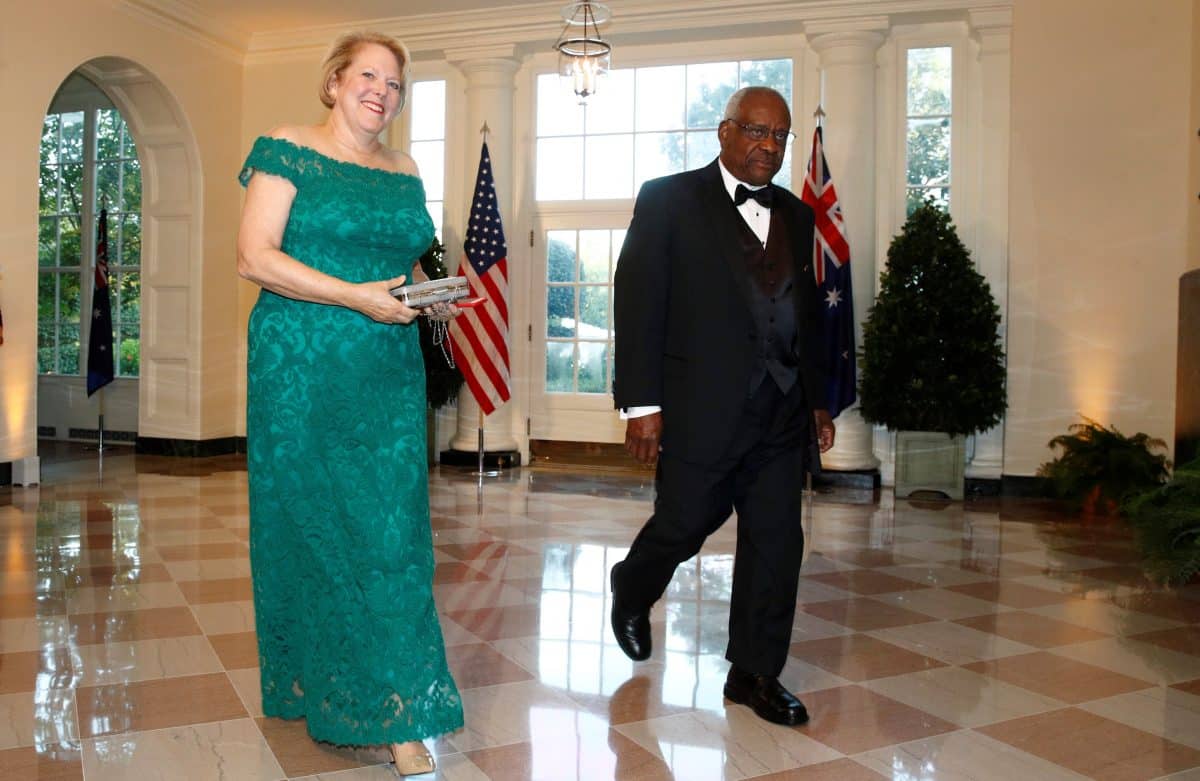
In this edition of A Public Witness, we read the texts of messianic and apocalyptic ideas animating parts of the Trumpian movement. Then we take advantage of your unlimited data to warn about the danger of half-baked religious prophecies masked as partisan politics.