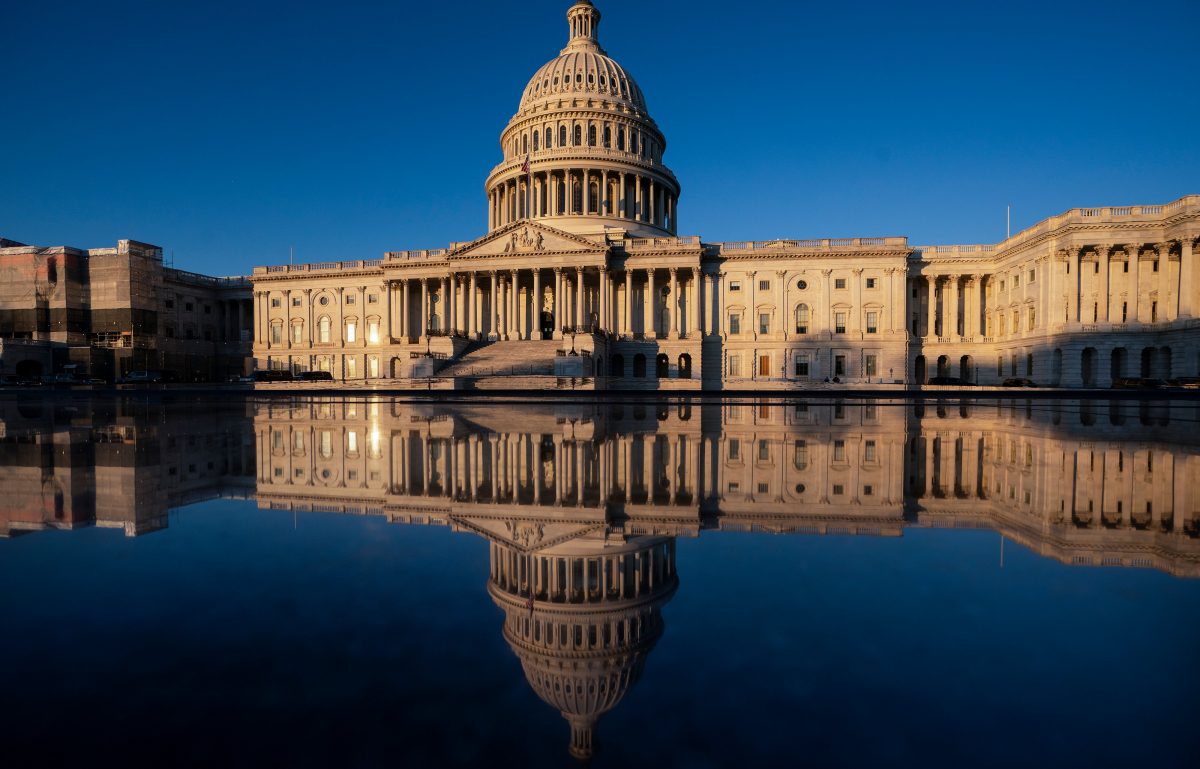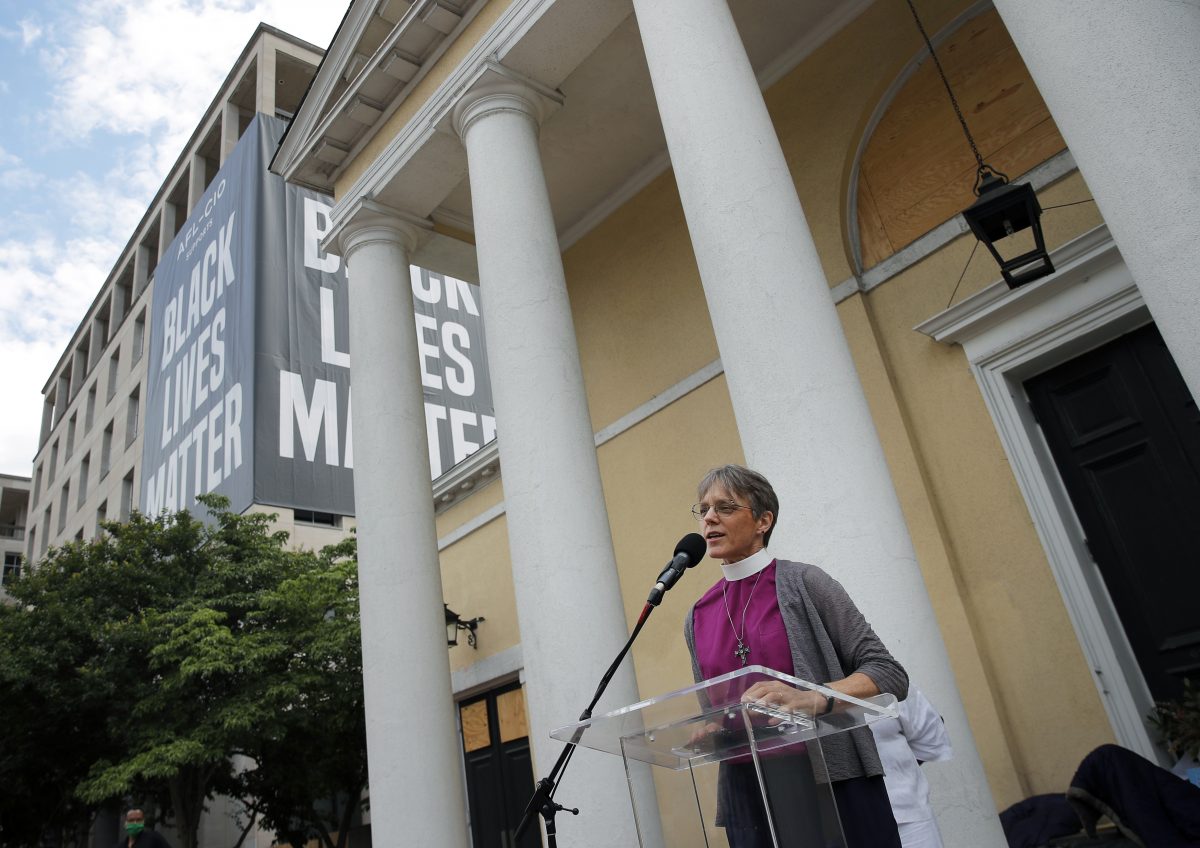
Word&Way Editor Brian Kaylor argues in this guest piece at Roll Call that the historic appointment of U.S. House Chaplain Margaret Kibben obscures need to abolish antiquated position.
Read full piece
The religious composition of the new U.S. Congress that started Sunday remained overwhelmingly Christian (88%), and heavily Protestant (55%), the Pew Research Center has found.
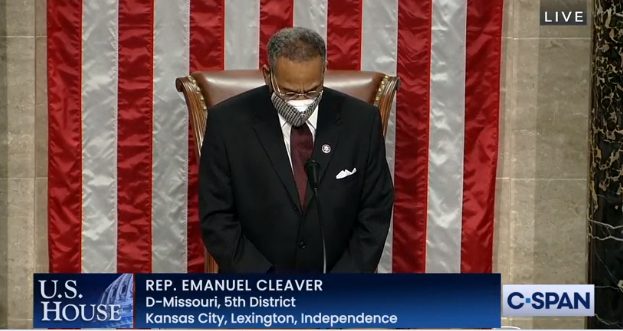
As the new session of the U.S. House of Representatives opened Sunday (Jan. 3),a prayer by Rep. Emanuel Cleaver, a Democrat from Missouri, sparked social media backlash and mocking.
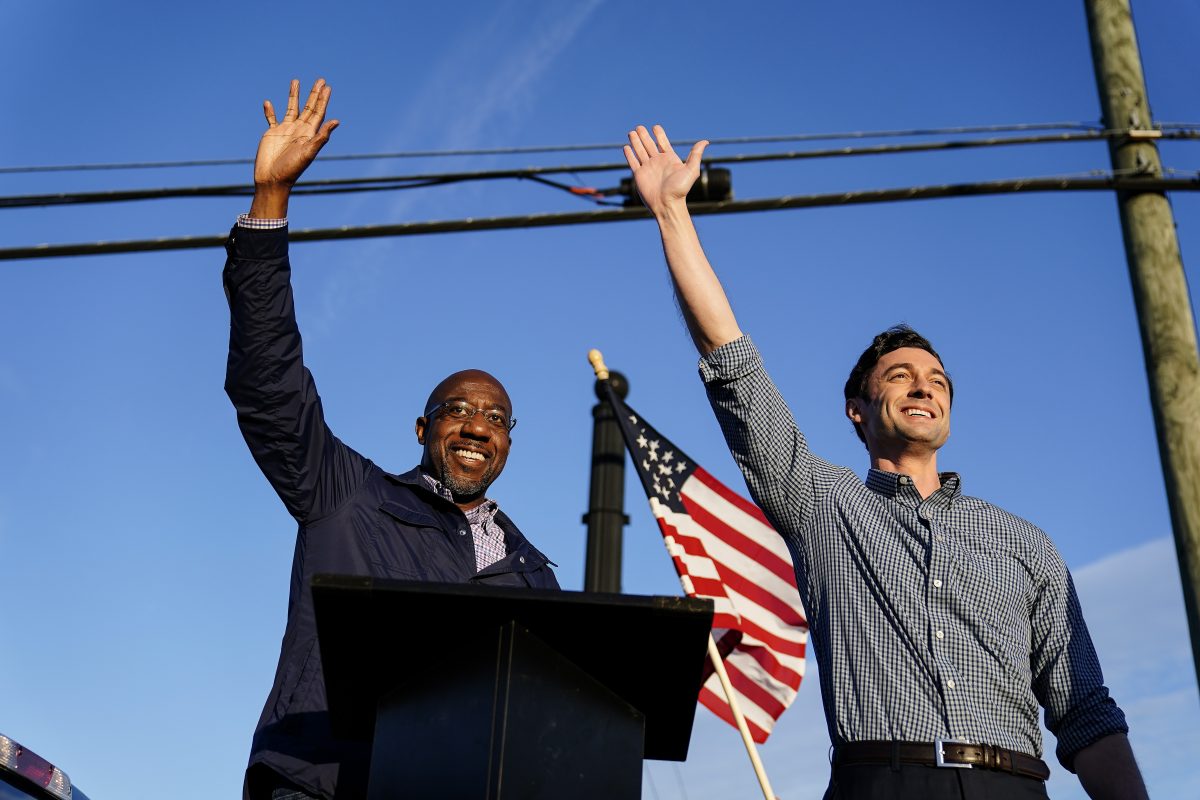
As Rev. Raphael Warnock, the senior pastor at Ebenezer Baptist Church in Atlanta, campaigns for the U.S. Senate, it raises questions about religion in politics. Why do so few clergy serve in Congress? And what kind of effect might this have on the priorities and policies
With the adoption and ratification of the 13th Amendment 155 years ago, the practice of slavery formally ended in this country, but it did not strip away all aspects of involuntary servitude.
Read full piece
(RNS) — Just over 2.5 percent of those serving in Congress identify to an untraditional theistic faith or no faith at all.Compare this to the general American public: fewer than half consider religion to be an important part of their lives. Why?
Long non-controversial, the so-called "Johnson Amendment" - barring churches and other non-profit organizations that are exempt from paying federal income taxes from endorsing or opposing political candidates - has been under attack ever since the election of President Donald Trump. The latest attempt, the Free
Catholics and Baptists hold the most seats among Christian adherents in the 116th U.S. Congress, according to Pew Research Center data released on Jan. 3.
The forced resignation of Patrick Conroy as chaplain for the U.S. House of Representatives quickly sparked questions and concerns about the intermingling of religion and politics. Some lawmakers