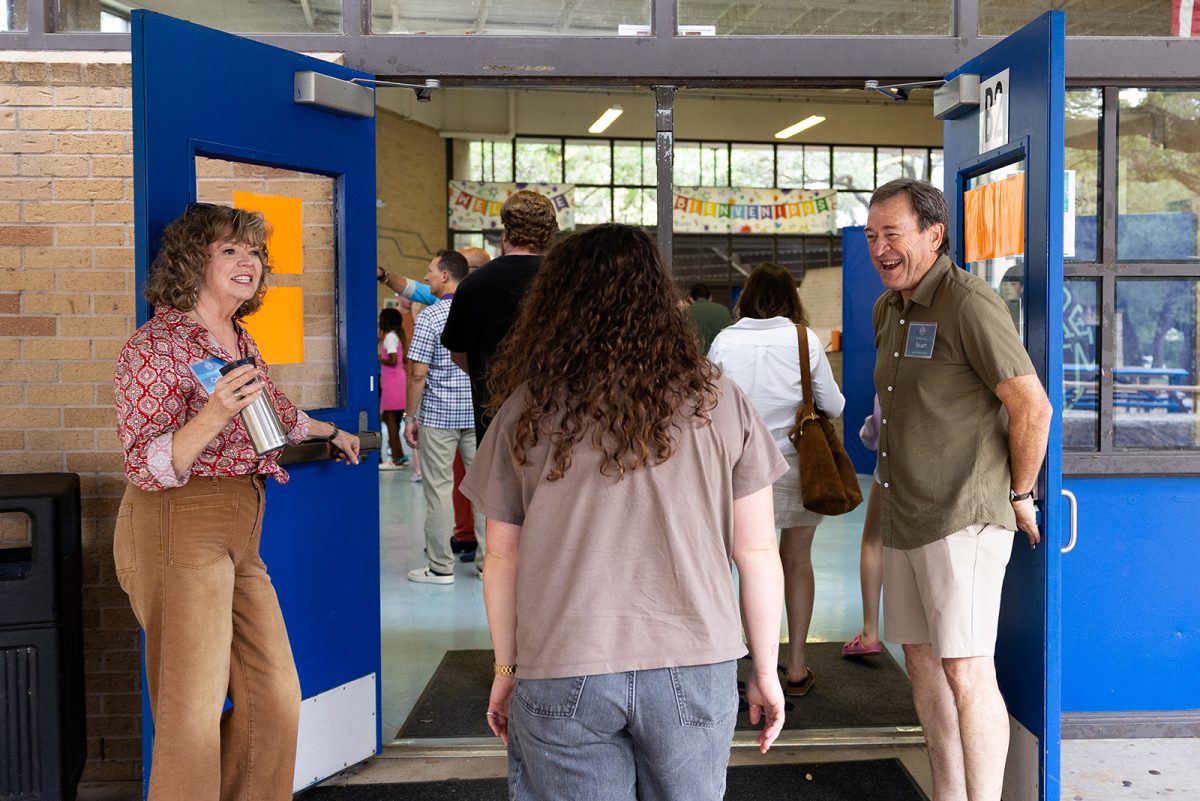
Booted From Evangelicalism, a Progressive, ‘Post-Evangelical’ Church Blooms in Texas
Led by Zach Lambert, Restore church is part of a small but growing countertrend.

Led by Zach Lambert, Restore church is part of a small but growing countertrend.

The CEO of the Public Religion Research Institute makes the case that there is simply no evidence to suggest Americans are becoming more religious, either in their affiliation with a particular faith tradition or in terms of attending religious services more regularly.
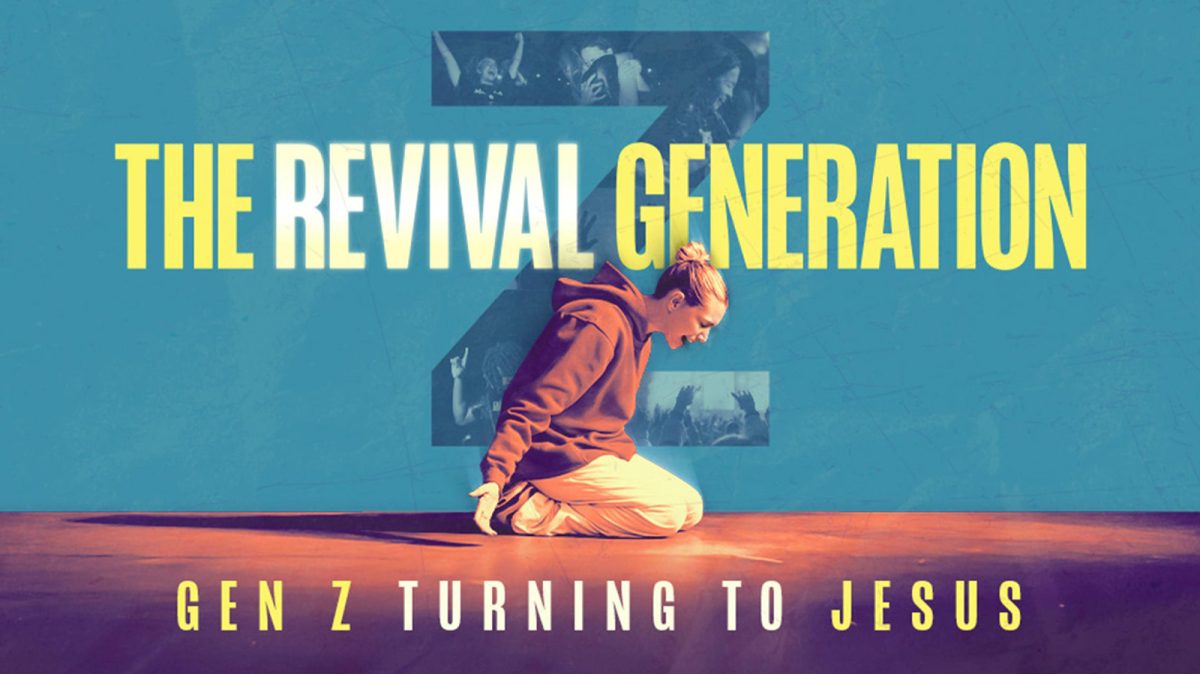
‘May this be the first of many events like this at the Kennedy Center. May you use this place mightily to continue to glorify your name, Jesus,’ prayed Abigail Robertson, granddaughter of Pat Robertson, at the documentary premiere.
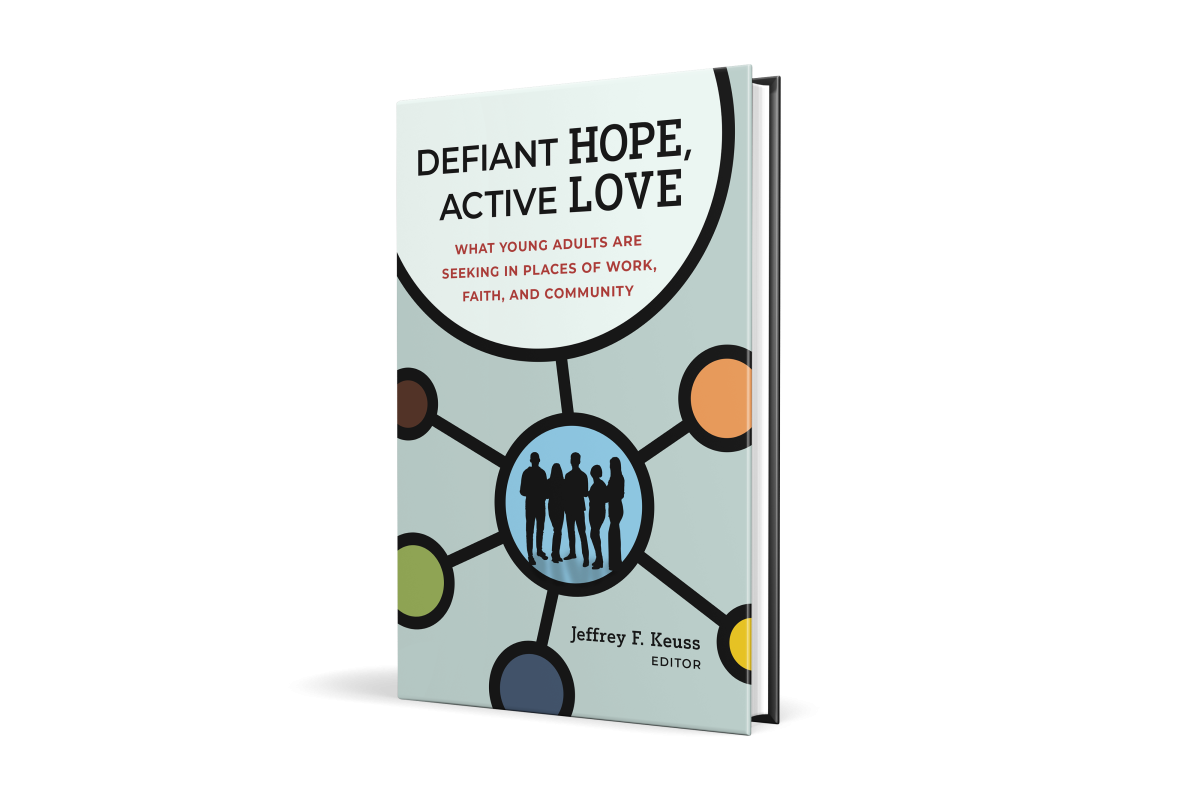
In “Defiant Hope, Active Love: What Young Adults Are Seeking in Places of Work, Faith, and Community,” scholars investigate how faith communities can be more hospitable to the next generation of Christians.

Richard Ackerman, a 21-year-old Presbyterian convert and conservative activist in the church, is the contemporary televangelist Zoomers can’t stop watching.
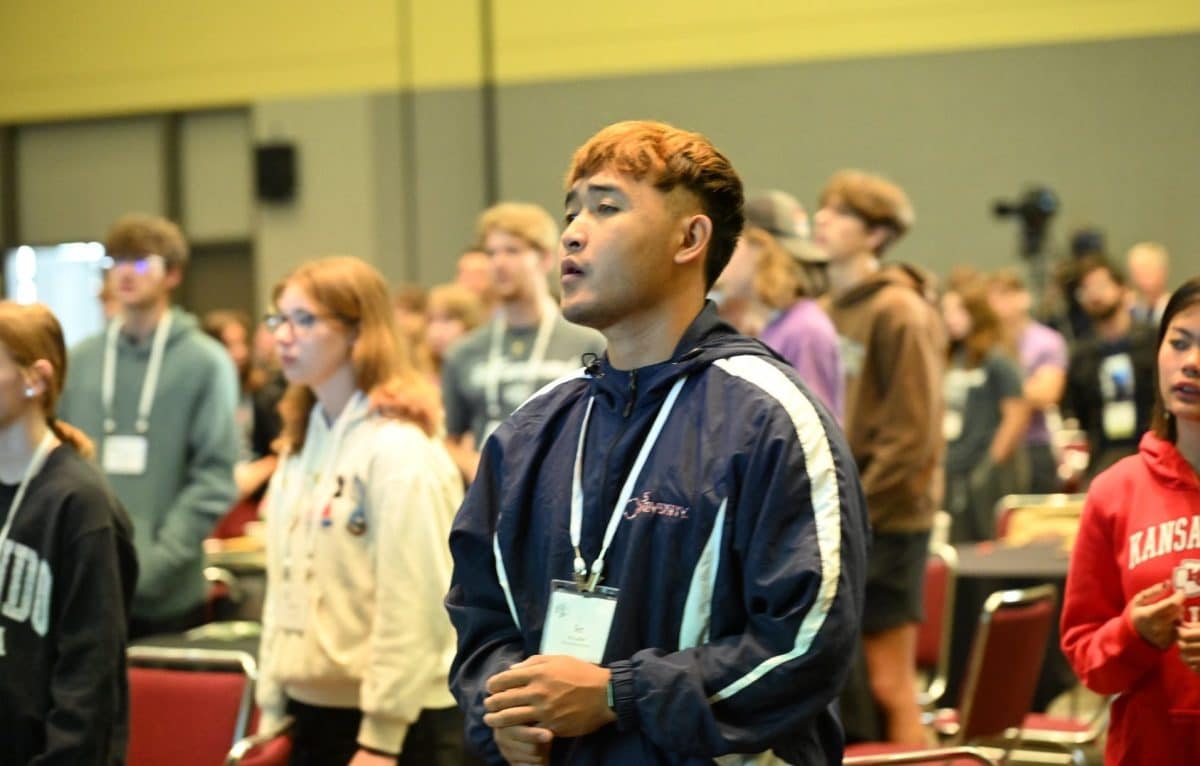
This issue A Public Witness pulls up a chair at the Mennonite Church USA’s Youth & Young Adult Climate Summit in order to discover new ways for all of us to meaningfully engage in creation care, and to do so in full partnership with the
Ask Americans if they believe in God and most will say yes. But a growing number have lost faith in organized religion. For the first time since the late 1930s, fewer than half of Americans say they belong to a church, synagogue, or mosque, according
A new poll of Britain’s Generation Z finds older adolescents and younger adults are more likely to believe in God than are millennials, the demographic ahead of them. No parallel trend has been identified in the United States.
Some pastors simply can’t win for losing when trying to navigate the politics consuming many American churches. Read full piece
A global pandemic has made the basic acts of travel and face-to-face contact with others — essential to cross-cultural missions — difficult or impossible until further notice. Such is the present. What’s next? Read full piece