For 100 Days, Religious Scholars Sent Trump Letters About Scripture & Modern Life. Now They’re Writing to Biden.
On Easter four years ago, Christianity scholar Gay Byron sent a letter to the newly-elected President Donald Trump. Read full piece

On Easter four years ago, Christianity scholar Gay Byron sent a letter to the newly-elected President Donald Trump. Read full piece
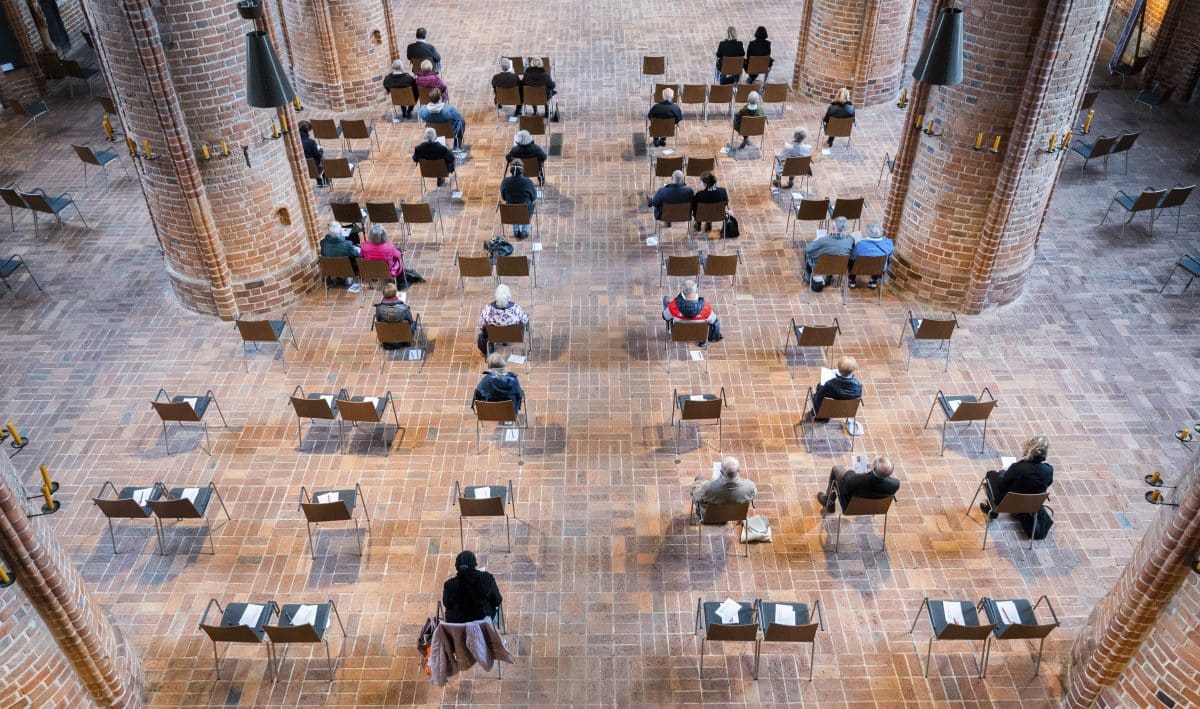
As U.S. Christians celebrate a second Easter under pandemic rules — their own or those imposed by government or denominational guidelines — churches are reckoning with new ways of volunteering, stewardship and, above all, worshipping.

Throughout the history of Christianity, representations of Pilate’s handwashing have often been used to shift blame for Jesus’s death to Jews, and have been part of a toxic legacy of Christian and western antisemitism.
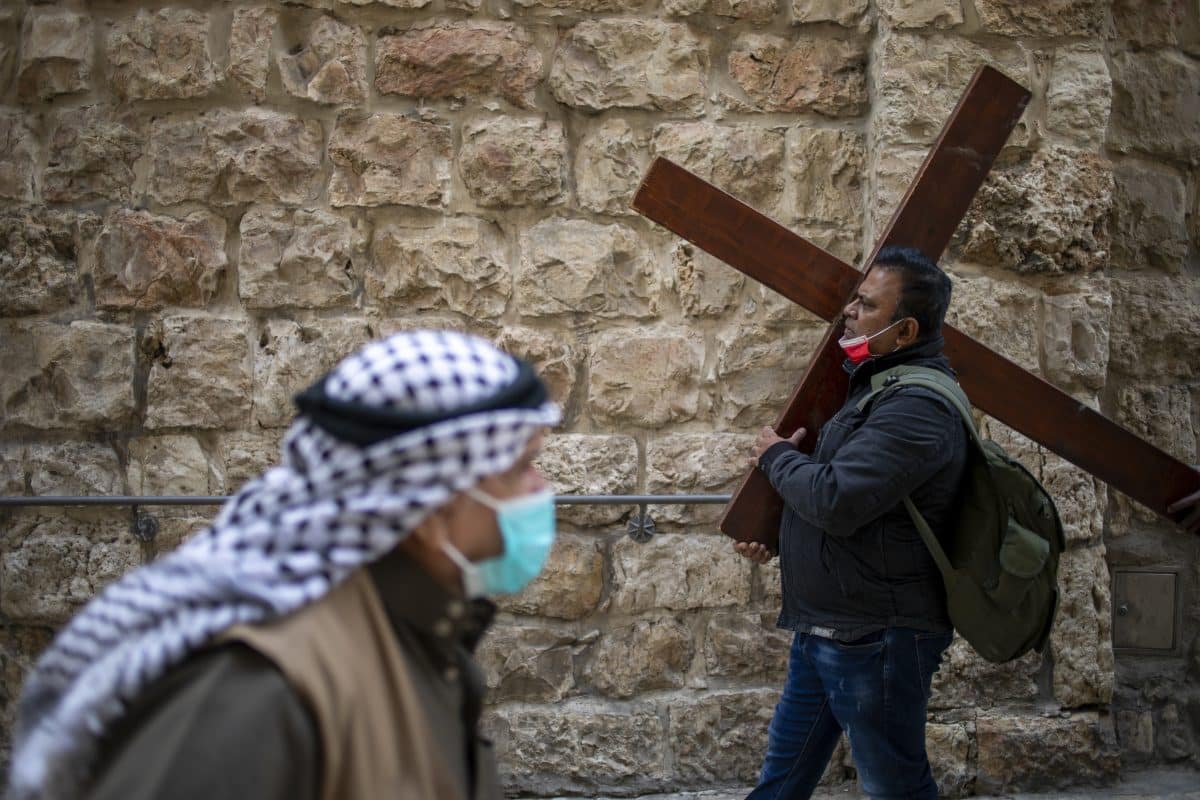
Christians in the Holy Land are marking Good Friday this year amid signs the coronavirus crisis is winding down, with religious sites open to limited numbers of faithful but none of the mass pilgrimages usually seen in the Holy Week leading up to Easter.
To say that Baylor was founded by white supremacists and racists is to admit that they exist. Read full piece
Holy Week is a reminder that we often have to linger in some suffering and struggle in order to fully appreciate the joy of Easter Sunday’s deliverance and liberation. Read full piece

Wave of Christian expat expulsions leaves many churches without leaders. Read full piece
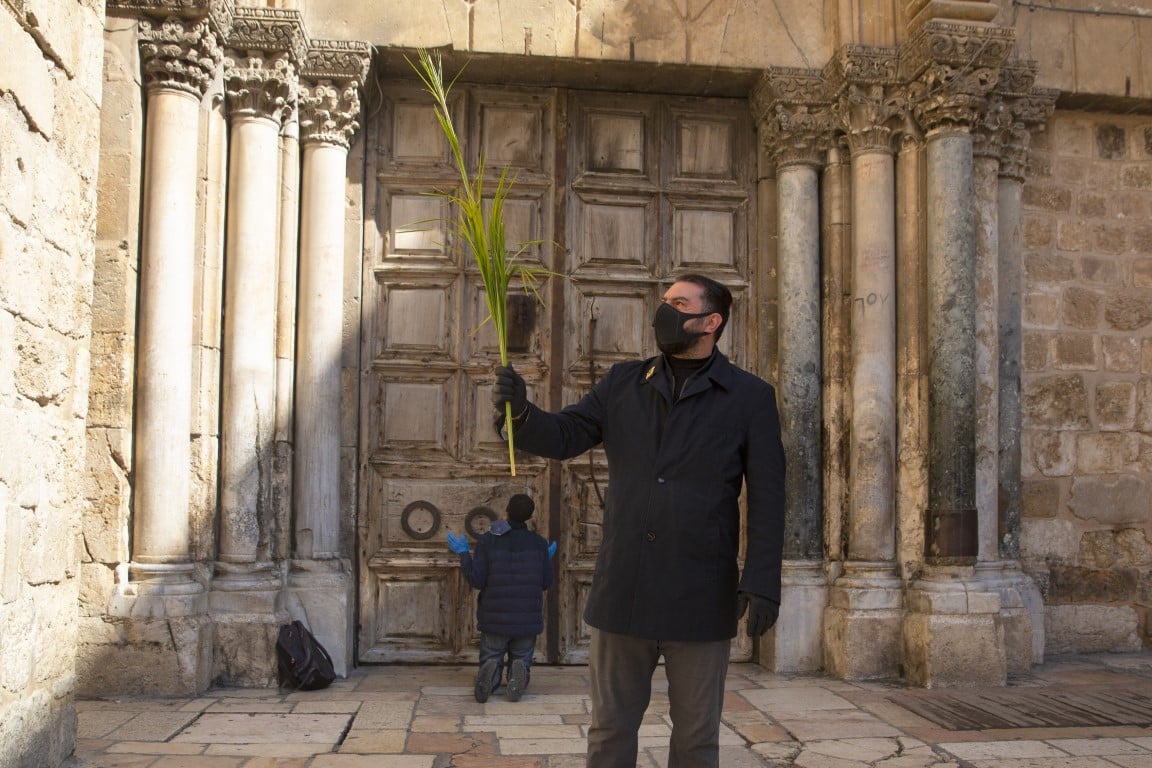
Columnist Greg Mamula reflects on the crowd waving at Jesus during Holy Week and asks what kind of king did they think they were waving at. And he wonders how we might answer that same question today.
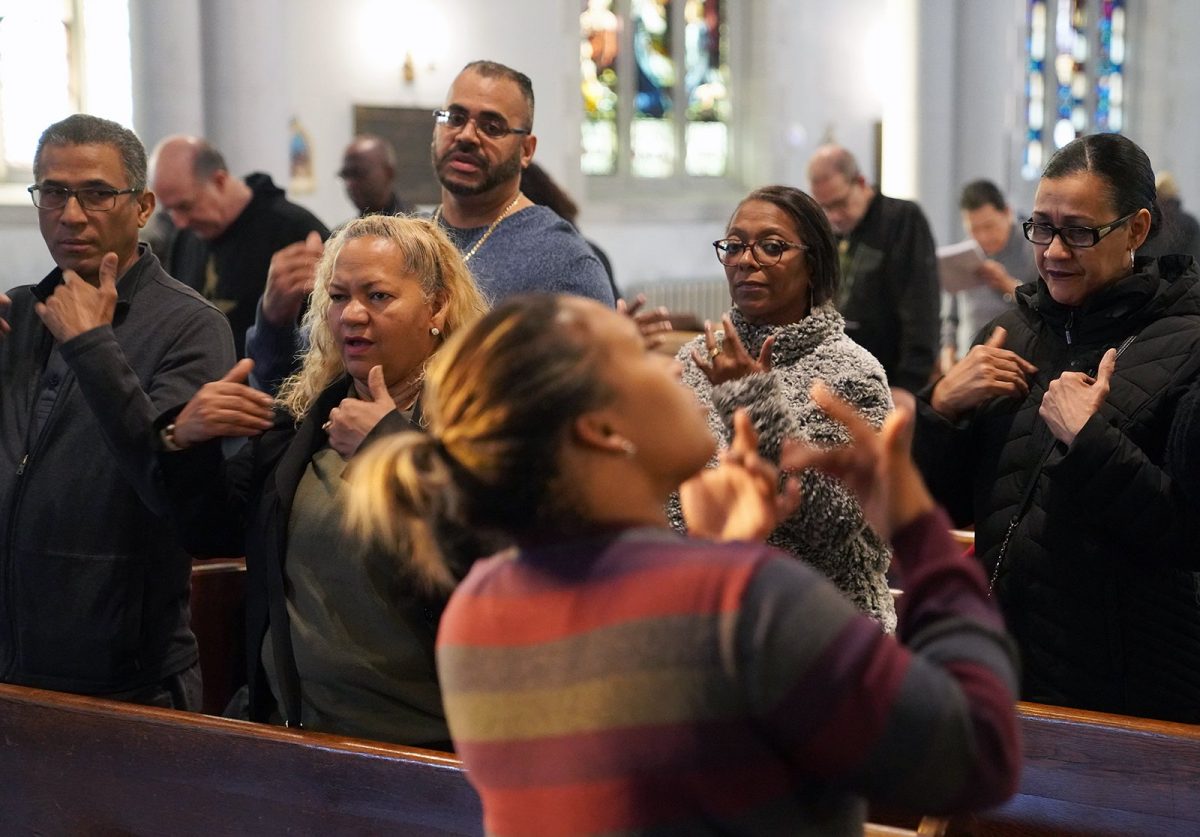
Although more churches are using sign language interpreters, they’re still few and far between. This all contributes to the surprising fact that until only a few months ago, millions of American churchgoers have been without access to a fully translated version of the Bible in
33 current and past students at federally funded Christian colleges and universities cited in a federal lawsuit filed Monday against the U.S. Department of Education. The suit says the religious exemption the schools are given that allow them to have discriminatory policies is unconstitutional because