

Sign up to receive full essays in your inbox!

Featured

Book Recommendation: Skipping School
In detailing the evolution of homeschooling in the United States, this book is an enjoyable and enlightening read that challenges preconceptions and invites new, more informed questions.
With Voting Rights in Mind, Progressive National Baptists Head to Capitol Hill
'The Supreme Court, not too far from here, decided that it was OK for Black folks to not deserve representation in Congress,' said its social justice commission co-chair.
USDA Serves Up Rightwing Christian Worship Services
This issue of A Public Witness documents several outlandish events beyond those named in a recent church-state lawsuit by employees or a complaint from the Freedom From Religion Foundation.
Church

‘Just Like Selma’ Hymn Project Aims to Help Churches Recall King, Mark Black History Month
The new song’s composer thought it could be a way to again hear from Black churches, collectively, about civil rights.
Two Episcopal Bishops Say Clergy May Have to Put ‘Bodies on the Line’ to Resist ICE
‘I’ve asked (clergy) to get their affairs in order, to make sure they have their wills written,’ said the Rt. Rev. A. Robert Hirschfeld, the Episcopal bishop of New Hampshire.

Renee Good Was a Martyr for Her Faith, Like MLK, Say Presbyterians
The Presbyterian Office of Public Witness, part of the Presbyterian Church (USA), says Good is part of ‘a sacred lineage of faithful witnesses who have risked and lost their lives in defense of human dignity.’
Nation
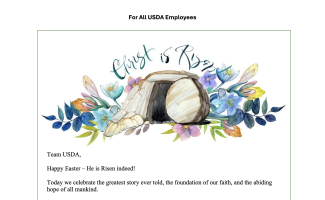
Federal Employees Sue USDA Secretary Over Christian Messaging
Asked to comment on the suit, a USDA spokesperson said: ‘While we do not comment on pending litigation, we will keep the plaintiffs in our prayers during this process.’
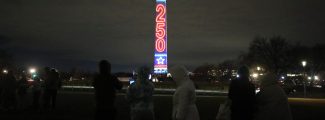
Rededicating to the Wrong Example
This issue of A Public Witness unpacks why the upcoming ‘Rededicate 250’ gathering was planned for May 17 and the Christian Nationalist fight to remake the past and present.
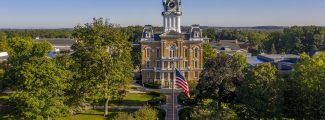
Why Hillsdale? The Christian Liberal Arts School Hosted Erika Kirk for Commencement
Through Freedom 250 initiatives, Hillsdale has been enlisted by the Trump White House to shape narratives about American history.
World
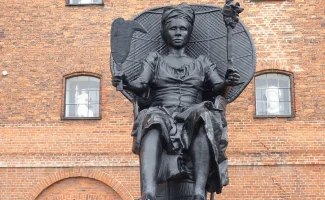
Queen Mary vs. King David
This issue of A Public Witness explores a monument that upsets the political and historical stories being told (or not told) and challenges the religious claims we often make.
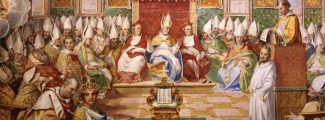
On Anniversary of the First Council of Nicaea, Christian Leaders Seek to Return to Ecumenism
Christian leaders stress that the council and its anniversary still have relevance in the modern day, despite theological divides.

African Christians Walk Hundreds of Miles for Uganda Martyrs’ Day
Joining this year are dozens of leaders from different Christian denominations, making the journey not only an expression of personal devotion but a public show of unity and spiritual leadership in a region challenged by political instability, poverty, and insecurity.
Editorials
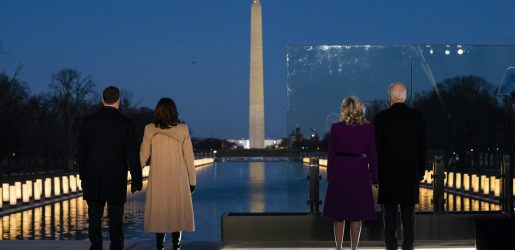
Remembering the Way to Healing
Editor Brian Kaylor reflects on a comment by Joe Biden at a memorial service on Tuesday to those who died from COVID-19: “To heal we must remember. It’s hard sometimes to remember. But that’s how we heal.”
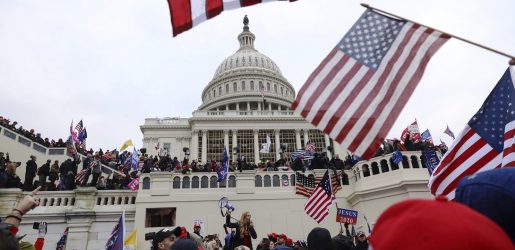
The Ellipses of Cheap Grace
Before janitors could even remove the litter and excrement from the Capitol after last week’s attack by a pro-Trump mob, some politicians and preachers started issuing calls for unity and reconciliation. But, Editor Brian Kaylor argues, skipping past truth-telling and accountability would be an injustice.
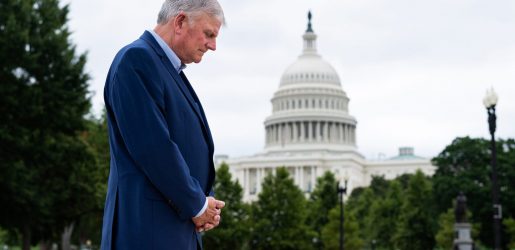
Franklin Graham & the Sons of Samuel
After the Oklahoma City bombing, Billy Graham offered words on hope and justice. A quarter-century later, his son instead inflames partisan divides following an attack on the U.S. Capitol. Like the sons of the biblical prophet Samuel, Franklin appears unable to carry the mantle of his father.
Word&Way Voices
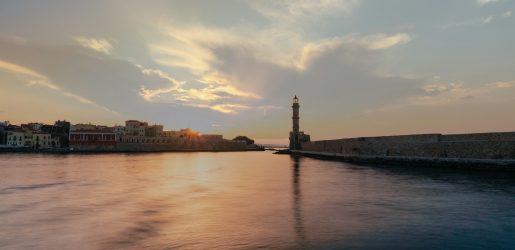
Can the Bible Be Our Guide in the Age of Trump?
Contributing writer Rodney Kennedy makes the case that the story of Titus in Crete is the best metaphor for what has happened to America since Donald Trump was elected again.
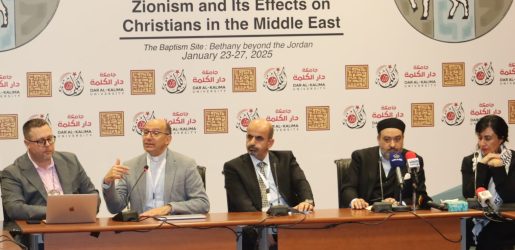
Jordan Hosts Landmark Conference on Christian Zionism’s Impact on Middle Eastern Christians
The event included a keynote presentation by Rev. Dr. Miguel A. De La Torre, who highlighted the dangers of using religious texts to justify oppression.
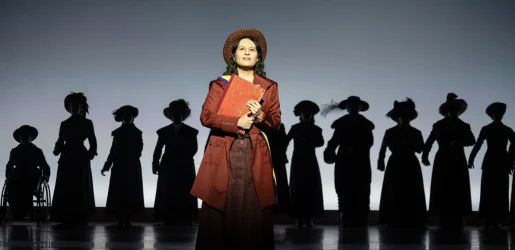
Keep Marching
Contributing writer Sarah Blackwell reflects on how we can continue to move forward when equality, respect, and truth seem like they are evaporating in front of us.
E-Newsletter
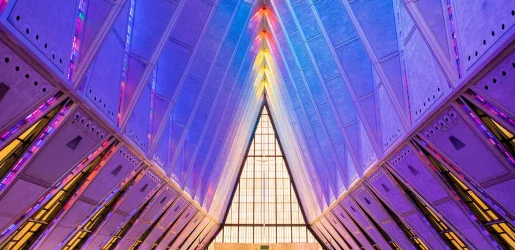
Review & Giveaway: Jesus Springs
William Schultz, a historian of American religion at the University of Chicago Divinity School, makes a compelling argument that there was a moment where Colorado Springs was a place of enormous cultural influence.
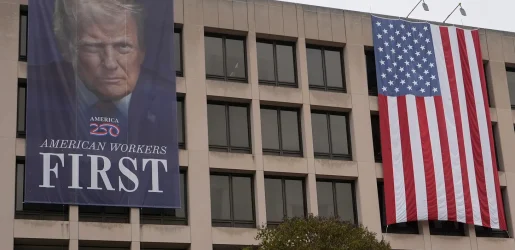
Department of Labor Holds First Prayer Service
This issue of A Public Witness takes you inside a very Catholic governmental Christmas celebration that also featured a Trumpian rabbi commemorating Hanukkah.

Our 2025 Books of the Year
For this issue of A Public Witness, we briefly highlight 15 of our favorite recent books beyond those from our longer giveaway reviews. It can be a great resource for gifts or your own wishlist.
-
Claiming God's Name in Politics, War, & Sports
 This episode of Dangerous Dogma features a conversation between Word&Way Editor Brian Kaylor, Lutheran minister and journalist Angela Denker, and Disciples pastor and author Beau Underwood. The conversation includes discussion about a botched execution in Tennessee, religious issues in political campaigns, and Pete Hegseth's misuse of the Bible. And Beau shows off his White Sox…
 -
Backslide with Robert P. Jones
This episode of Dangerous Dogma features a conversation between Word&Way Editor Brian Kaylor and Robert P. Jones, author of the forthcoming book Backslide: Reclaiming a Faith and a Nation After the Christian Turn Against Democracy. Jones is also the founder and president of PRRI. He previously appeared on Dangerous Dogma in 2023. You can watch a… -
DHS Spies on Churches & White Sox Honor Pope Leo
This episode of Dangerous Dogma features a conversation between Word&Way Editor Brian Kaylor, Lutheran minister and journalist Angela Denker, and Disciples pastor and author Beau Underwood. The conversation includes discussion about revelations that the Department of Homeland Security has been spying in churches, a controversial golf ad, and a White Sox night celebrating Pope Leo.… -
The State of the Senate, from SC to ME to TX to KS
This episode of Dangerous Dogma features a conversation between Word&Way Editor Brian Kaylor, Lutheran minister and journalist Angela Denker, and Disciples pastor and author Beau Underwood. The conversation includes discussion about the death of Sen. Lindsey Graham as well as issues of faith and morality in Senate races in Maine, Texas, and Kansas. You can… -
Southern Baptists, the Pentagon, & UFC
This episode of Dangerous Dogma features a conversation between Word&Way Editor Brian Kaylor, Lutheran minister and journalist Angela Denker, and Disciples pastor and author Beau Underwood. The conversation includes discussion about the Southern Baptist Convention's push against women in ministry, the Pentagon changing how it codes the faith of military members, and the latest in… -
Southern Baptists, Women in Ministry, & a Billboard
In this episode, Word&Way President Brian Kaylor talks with Meredith Stone, executive director of Baptist Women in Ministry. The conversation includes discussion of efforts in the Southern Baptist Convention to further target women serving in churches and how BWIM is advocating for women (including with a billboard to greet SBC messengers next week in Orlando,… -
Divergent Visions for Rededicating the Nation
This episode of Dangerous Dogma features a conversation between Word&Way Editor Brian Kaylor, Lutheran minister and journalist Angela Denker, and Disciples pastor and author Beau Underwood. The conversation includes discussion about Rededicate 250, gerrymandering, Adam Hamilton's Senate campaign in Kansas, and the MAHA movement. You can watch a video version of the conversation here. Here are a few pieces… -
The Christian Past That Wasn't
In this episode, Word&Way President Brian Kaylor talks with Warren Throckmorton, a retired professor who has spent years debunking false claims by Christian Nationalist pseudo-historian David Barton. Throckmorton is the author of the new book, The Christian Past that Wasn't: Debunking the Christian Nationalist Myths that Hijack History. You can watch a video version of… -
Trump vs. Leo
This episode of Dangerous Dogma features a conversation between Word&Way Editor Brian Kaylor, Lutheran minister and journalist Angela Denker, and Disciples pastor and author Beau Underwood. The conversation includes discussion about President Donald Trump's attacks on Pope Leo XIV, Leo's witness against the Iran war, Trump's AI image of himself as Jesus, and the electoral… -
Fight Like Jesus with Jason Porterfield (Reissue)
In this episode, Word&Way President Brian Kaylor talks with Jason Porterfield about his book Fight Like Jesus: How Jesus Waged Peace. This episode originally aired in 2023, except for a new introduction noting a violent prayer by Pete Hegseth during a recent Pentagon worship service and Palm Sunday comments by Pope Leo XIV. Note: Don't forget…


Books

Review: The Anti-Greed Gospel
In “The Anti-Greed Gospel: Why the Love of Money Is the Root of Racism and How the Church Can Create a New Way Forward,” Black Christian historian Malcolm Foley explores racial capitalism.
Review: American Christianity Today
In “American Christianity Today: Establishment, Decline, and Revival,” Dyron Daughrity gives readers a panoramic view of current Christianity in the U.S. — its people, conflicts, differences, and common ground.
Review: John of History, Baptist of Faith
In “John of History, Baptist of Faith: The Quest for the Historical Baptizer,” James F. McGrath sheds new light on the historical John the Baptist and his world.

Review: How to End Christian Nationalism
Amanda Tyler draws on her experiences, conversations with pastors and laypeople, research, Scripture, her Baptist convictions, and her work as a constitutional law expert to help us confront Christian Nationalist fervor.