
Sign up to receive full essays in your inbox!

Featured
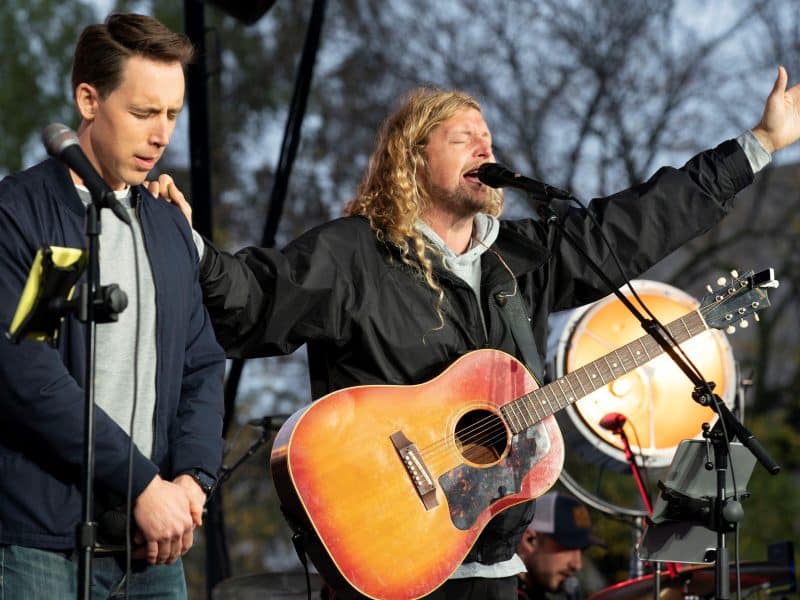
Donor Revives Fraud Claims Against Christian Worship Leader Sean Feucht Over a $250,000 Donation
According to court documents, Feucht sought a donation for his Kingdom to Capitol Tour, which he planned to take to all 50 states. The donor agreed to fund five tour stops for a total of $250,000, but later discovered that Feucht’s entire concert tour had been fully funded.
Review: Live Each Season As It Passes
Daniel Cooperrider reminds readers that God continues to speak in the context of nature and the ebbs and flows of the seasons. It’s a witness we need to heed, considering the climate challenges we face as human beings.
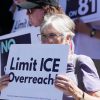
DHS Admits It Doesn’t Know How Many Churches It Has Spied On
A federal judge recently ordered the U.S. Department of Homeland Security to report about any protected church where it has conducted an immigration enforcement action. But the agency told the court it had no idea how many incidents there may be, insisting it had no reasonable way to check its own records.
Church
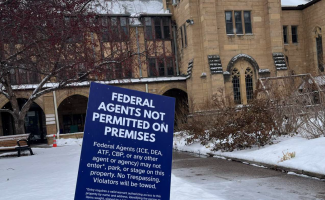
In Worship and in Court, Churches Respond to DHS Spying in Their Buildings
This issue of A Public Witness reports on how pastors are responding to news that undercover federal agents secretly spied on them, and includes updates about more incidents revealed at a Baptist church that is covered by a federal injunction blocking such warrantless DHS actions.
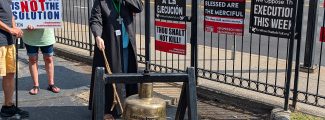
With Three Prisoners Scheduled for Execution, Southern Churches Toll Their Bells
On the first day in 16 years that three death row inmates were scheduled to be executed on the same day, faith groups in Tennessee, Georgia, Texas, Kentucky, Wisconsin, and Iowa tolled their bells as part of a campaign.
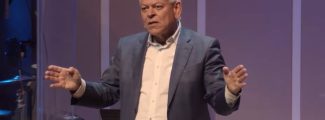
Johnny Hunt’s Last Defamation Claims Rejected by Federal Judge
The former Southern Baptist President's lawyers had argued he was a private figure and his misconduct was nobody's business. He also claimed a tweet criticizing him was defamatory.
Nation
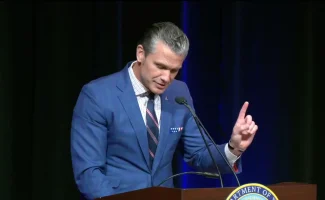
Hegseth Praises Bari Weiss’s ‘60 Minutes’ at Pentagon Worship Service
Wesley Welch of King’s Church DC delivered the sermon, becoming the ninth Southern Baptist pastor to preach out of 17 total services.
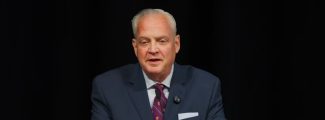
Al Mohler Reverses Course, Rejects Blasphemy Laws After Controversy
The longtime president of Southern Baptist Theological Seminary said he erred in saying the government should be able to punish those who don’t believe God was part of America’s founding.
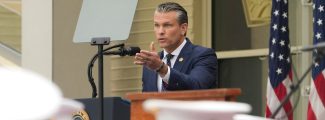
Hegseth Uses 9/11 Pentagon Ceremony to Push Religious War
The head of the U.S. military — who has Crusader imagery tattooed on his body and the cover of his Bible — spent the anniversary promising divine violence.
World
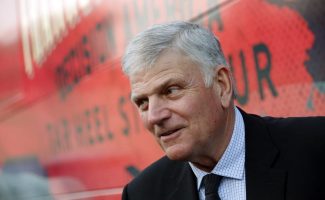
Belarus Authoritarian Leader Welcomes US Evangelist Franklin Graham to Hold Massive Gathering
Belarusian President Alexander Lukashenko asked Graham to convey warm greetings to President Donald Trump and tell him that he has ‘reliable friends and supporters in Belarus.’
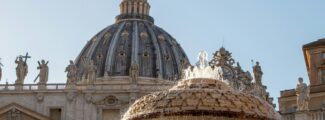
Pope Prays With Archbishop of Canterbury Sarah Mullally in Historic Encounter, Vows Dialogue
The encounter between Christianity’s two most famous religious figures would have been unthinkable just a few years ago, given the divisions between their two churches over women’s ordination.
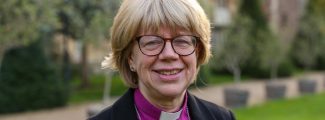
Archbishop of Canterbury Expresses Solidarity With Pope Leo XIV in Calling for Peace in Iran
In addition to heading the Church of England, the Archbishop of Canterbury is the spiritual leader of the worldwide Anglican Communion, including the Episcopal Church in the U.S.
Editorials
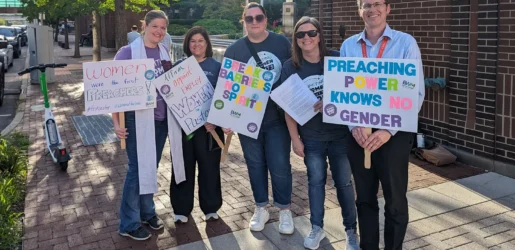
On the SBC Sidewalk
While messengers to last week’s annual meeting of the Southern Baptist Convention debated how to treat churches with women in pastoral roles, Baptist Women in Ministry showed up to offer a counter witness.

United Methodists Condemning Christian Nationalism Should Address Their Complicity
The thinning of the UMC’s conservative ranks makes this week’s conference a perfect time to address the issue.
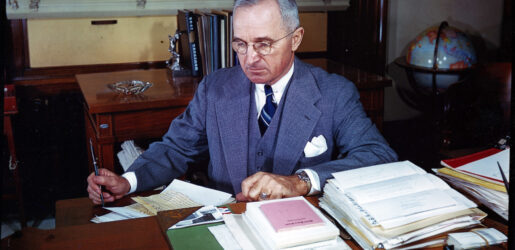
Before Trump Promoted a Bible, President Truman Blessed One
Missing in all the jokes and news reports about the Trump Bible is that this isn’t the first time a presidential stamp of approval was sought for the Good Book.
Word&Way Voices
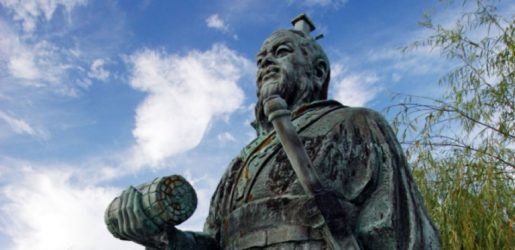
Trapped Between ‘The Art of the Deal’ and ‘The Art of War’
Contributing writer Rodney Kennedy argues that Trump's war against Iran, like his entire presidency, is an exercise in blowing things up. He has shown that he is a demolition expert, not a deal maker.
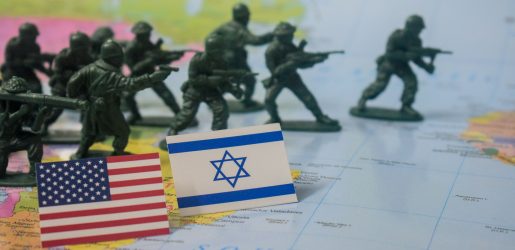
A Flag Gained, the Gospel Lost
In significant sectors of American evangelical Christianity, Israel is a theological object beyond moral scrutiny. This is not political support for an ally. It is worship. And by Christianity’s own doctrinal standards, it is sin.
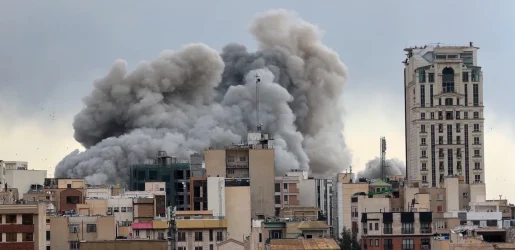
Why America Loves War
Stanley Hauerwas writes that ‘war is America’s central liturgical act necessary to renew our sense that we are a nation unlike any other nation.’ Contributing writer Rodney Kennedy connects this idea to our TV habits.
E-Newsletter
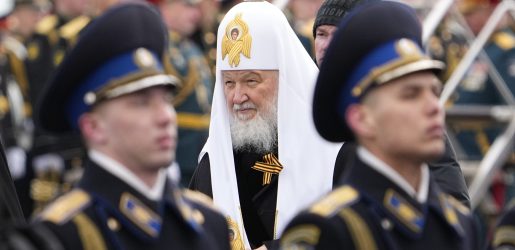
Nuclear Weapons as ‘God’s Grace and Mercy’?
This issue of A Public Witness looks at how the head of the Russian Orthodox Church nukes God’s grace and mercy before considering how it serves as a warning about militaristic Christian Nationalism more broadly.
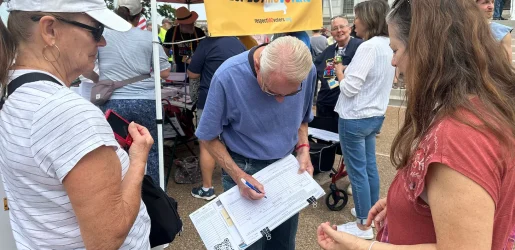
Thou Shalt Not … Amend the State Constitution?
This issue of A Public Witness takes you inside a hyperpartisan church for a taste of how the gospel of Jesus is being supplanted by an imperial lust for political power.
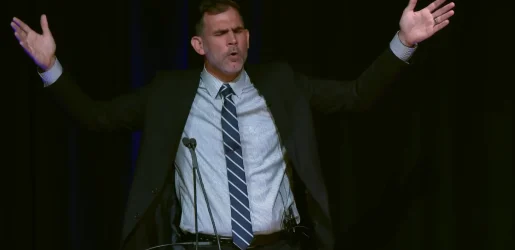
Hegseth’s Pastor Praises Military as ‘Means of God’s Grace’ at Pentagon Worship Service
The service marked the third time in 15 monthly services that the sermon was delivered by Brooks Potteiger, a member of Doug Wilson's Communion of Reformed Evangelical Churches.
-
Claiming God's Name in Politics, War, & Sports
 This episode of Dangerous Dogma features a conversation between Word&Way Editor Brian Kaylor, Lutheran minister and journalist Angela Denker, and Disciples pastor and author Beau Underwood. The conversation includes discussion about a botched execution in Tennessee, religious issues in political campaigns, and Pete Hegseth's misuse of the Bible. And Beau shows off his White Sox…
 -
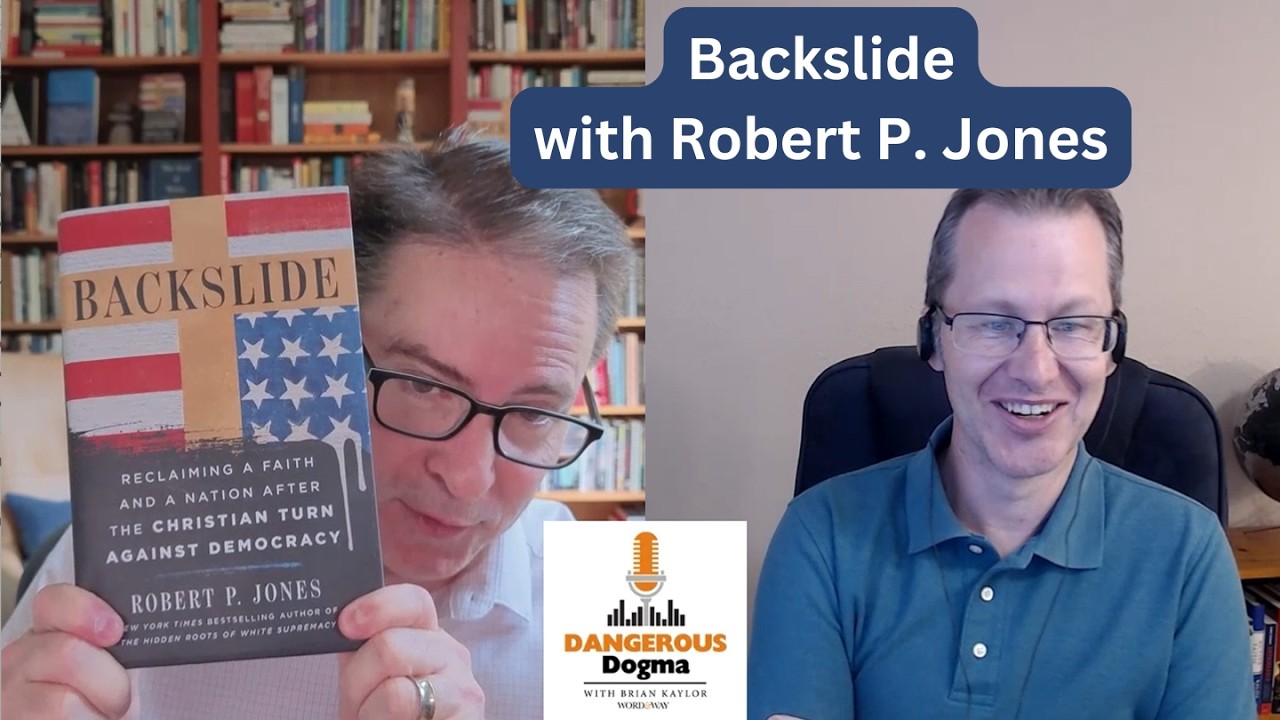
Backslide with Robert P. Jones
This episode of Dangerous Dogma features a conversation between Word&Way Editor Brian Kaylor and Robert P. Jones, author of the forthcoming book Backslide: Reclaiming a Faith and a Nation After the Christian Turn Against Democracy. Jones is also the founder and president of PRRI. He previously appeared on Dangerous Dogma in 2023. You can watch a… -
DHS Spies on Churches & White Sox Honor Pope Leo
This episode of Dangerous Dogma features a conversation between Word&Way Editor Brian Kaylor, Lutheran minister and journalist Angela Denker, and Disciples pastor and author Beau Underwood. The conversation includes discussion about revelations that the Department of Homeland Security has been spying in churches, a controversial golf ad, and a White Sox night celebrating Pope Leo.… -
The State of the Senate, from SC to ME to TX to KS
This episode of Dangerous Dogma features a conversation between Word&Way Editor Brian Kaylor, Lutheran minister and journalist Angela Denker, and Disciples pastor and author Beau Underwood. The conversation includes discussion about the death of Sen. Lindsey Graham as well as issues of faith and morality in Senate races in Maine, Texas, and Kansas. You can… -
Southern Baptists, the Pentagon, & UFC
This episode of Dangerous Dogma features a conversation between Word&Way Editor Brian Kaylor, Lutheran minister and journalist Angela Denker, and Disciples pastor and author Beau Underwood. The conversation includes discussion about the Southern Baptist Convention's push against women in ministry, the Pentagon changing how it codes the faith of military members, and the latest in… -
Southern Baptists, Women in Ministry, & a Billboard
In this episode, Word&Way President Brian Kaylor talks with Meredith Stone, executive director of Baptist Women in Ministry. The conversation includes discussion of efforts in the Southern Baptist Convention to further target women serving in churches and how BWIM is advocating for women (including with a billboard to greet SBC messengers next week in Orlando,… -
Divergent Visions for Rededicating the Nation
This episode of Dangerous Dogma features a conversation between Word&Way Editor Brian Kaylor, Lutheran minister and journalist Angela Denker, and Disciples pastor and author Beau Underwood. The conversation includes discussion about Rededicate 250, gerrymandering, Adam Hamilton's Senate campaign in Kansas, and the MAHA movement. You can watch a video version of the conversation here. Here are a few pieces… -
The Christian Past That Wasn't
In this episode, Word&Way President Brian Kaylor talks with Warren Throckmorton, a retired professor who has spent years debunking false claims by Christian Nationalist pseudo-historian David Barton. Throckmorton is the author of the new book, The Christian Past that Wasn't: Debunking the Christian Nationalist Myths that Hijack History. You can watch a video version of… -
Trump vs. Leo
This episode of Dangerous Dogma features a conversation between Word&Way Editor Brian Kaylor, Lutheran minister and journalist Angela Denker, and Disciples pastor and author Beau Underwood. The conversation includes discussion about President Donald Trump's attacks on Pope Leo XIV, Leo's witness against the Iran war, Trump's AI image of himself as Jesus, and the electoral… -
Fight Like Jesus with Jason Porterfield (Reissue)
In this episode, Word&Way President Brian Kaylor talks with Jason Porterfield about his book Fight Like Jesus: How Jesus Waged Peace. This episode originally aired in 2023, except for a new introduction noting a violent prayer by Pete Hegseth during a recent Pentagon worship service and Palm Sunday comments by Pope Leo XIV. Note: Don't forget…


Books

Review & Giveaway: Becoming Neighbors
Amar Peterman’s new book makes the case that how we interact with our neighbors forms who we are as Christians. It contains wisdom for scholars, pastors, and lay Christians working to remain steadfast to the hope they profess.
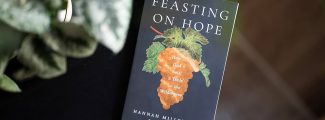
Review: Feasting on Hope
Through sharing her personal story of deep loss, Hannah Miller King reflects on how the ancient Christian practice of communion can reframe our grief by embedding it in a larger picture of gospel hope.

Review: Witness — Converting Worlds
The latest book from Amos Yong recasts what Christians call the missiological question first and foremost to those who would be true believers, including all who might wish to bear appropriate witness to their faith in a pluralistic world.

Review: Suicide and the Communion of Saints
Drawing on her vocational insights and personal experiences, Episcopal priest, historian, and spiritual director Rhonda Mawhood Lee offers a compassionate vision for understanding and responding faithfully to suicide.