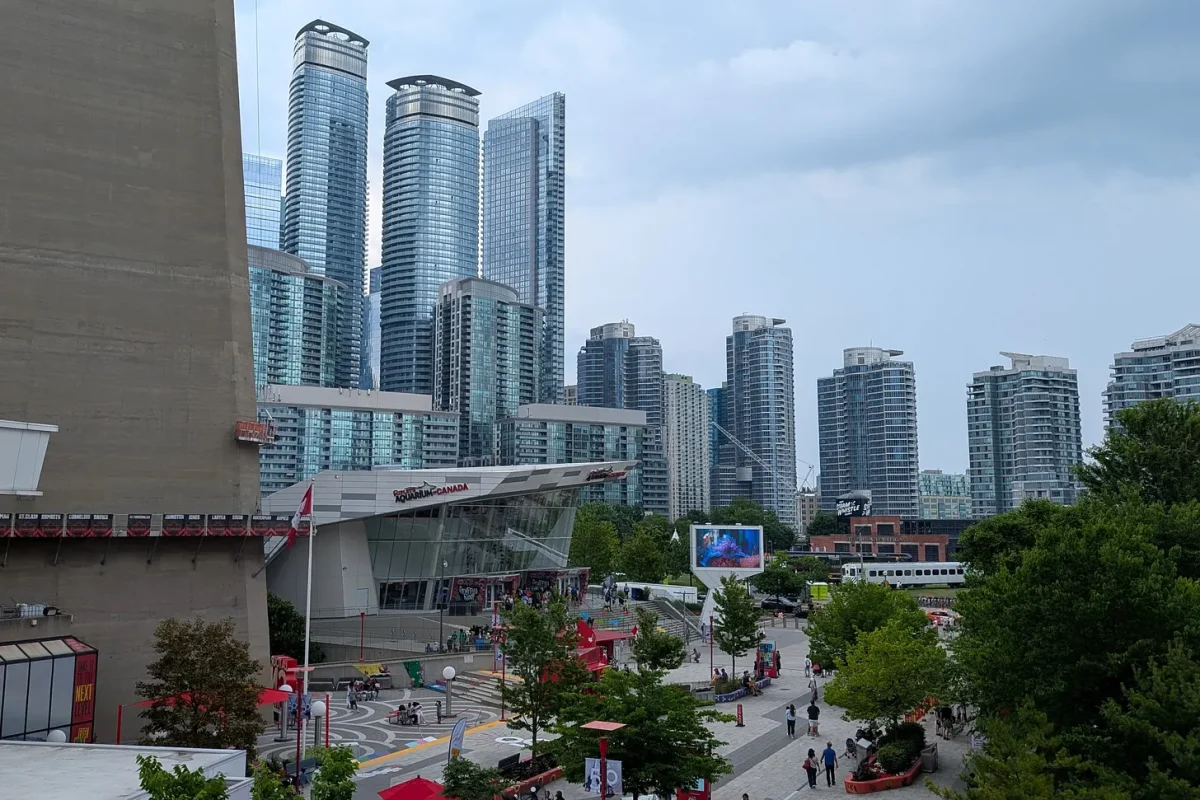
Global Baptists Meet in Toronto to Work for Justice and Peace
This issue of A Public Witness treks to The Six to cover the recent gathering of the Baptist World Alliance.

This issue of A Public Witness treks to The Six to cover the recent gathering of the Baptist World Alliance.
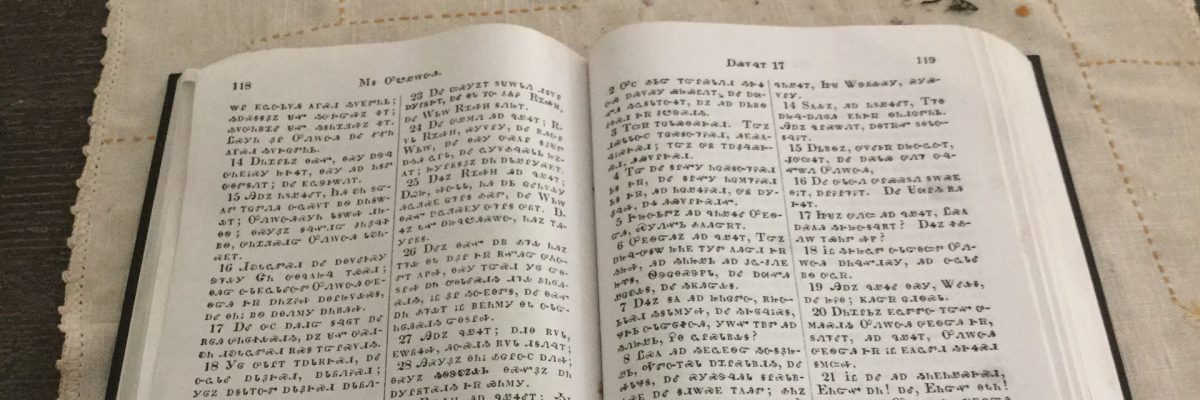
Translating the Bible into Cherokee began early in the 19th century, shortly after Protestant missionaries arrived in the Cherokee Nation – centered mainly in what are now western North Carolina, north Georgia, and eastern Tennessee.
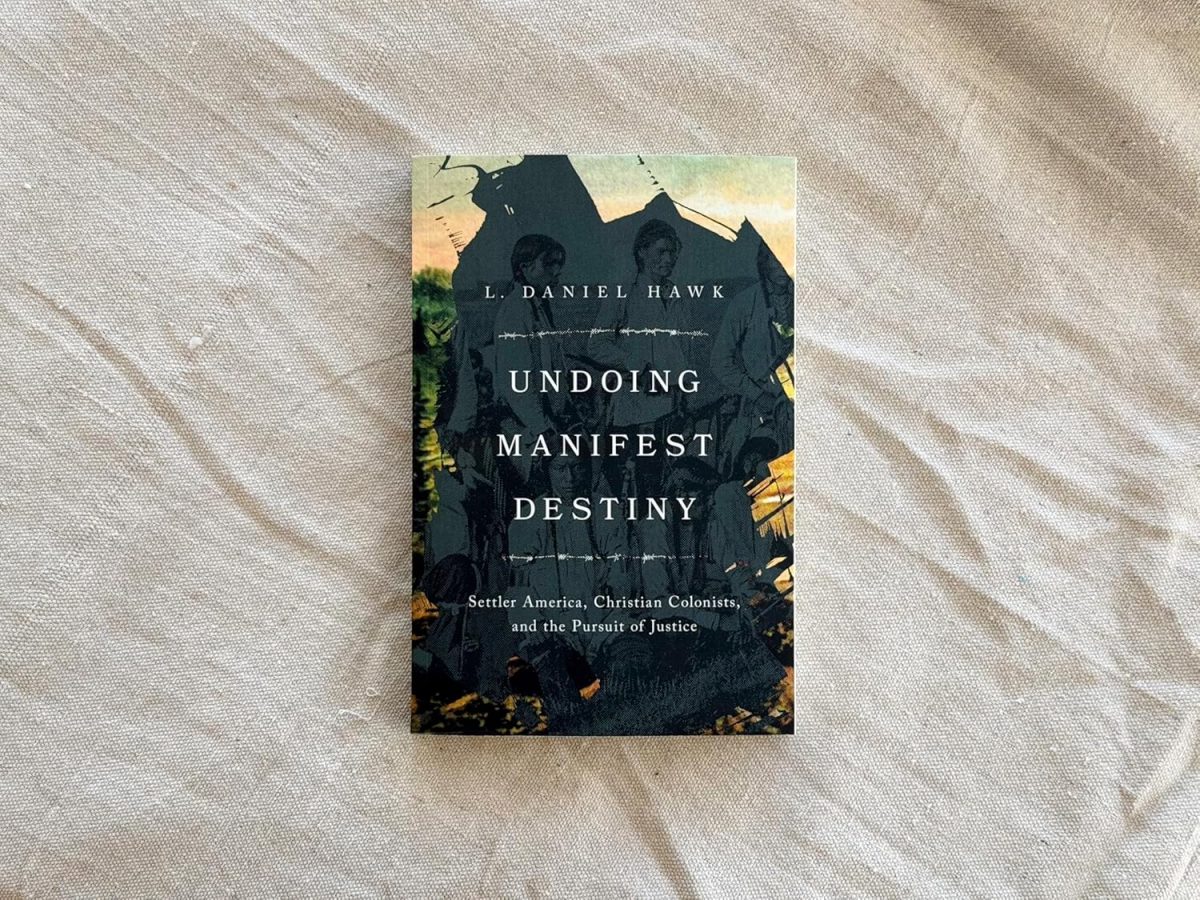
L. Daniel Hawk exposes the belief systems and practices that settlers developed to justify the displacement, destruction, and cultural erasure of Indigenous peoples, beginning in the early American colonial period and extending to the present day.
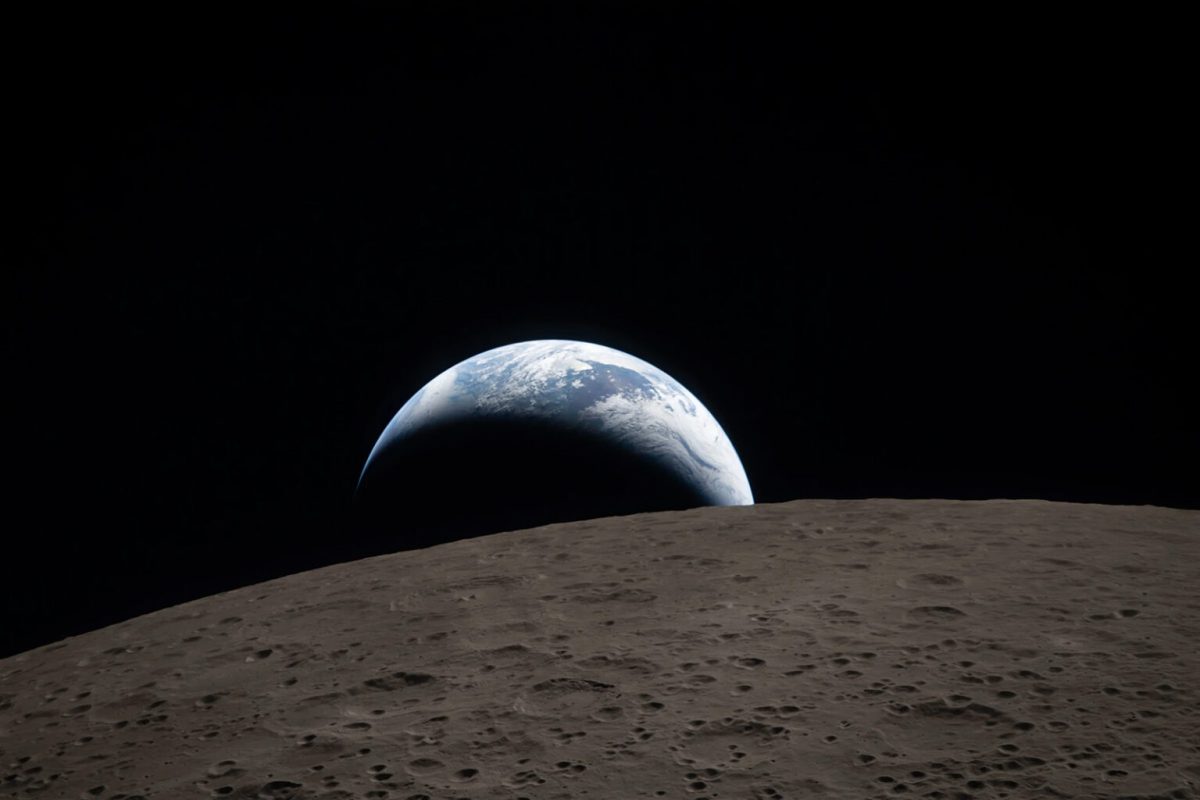
Both Apollo 8 and Artemis II missions included public references to religion, but astronauts aboard the Artemis’ Orion spacecraft struck a broader, more global tone.
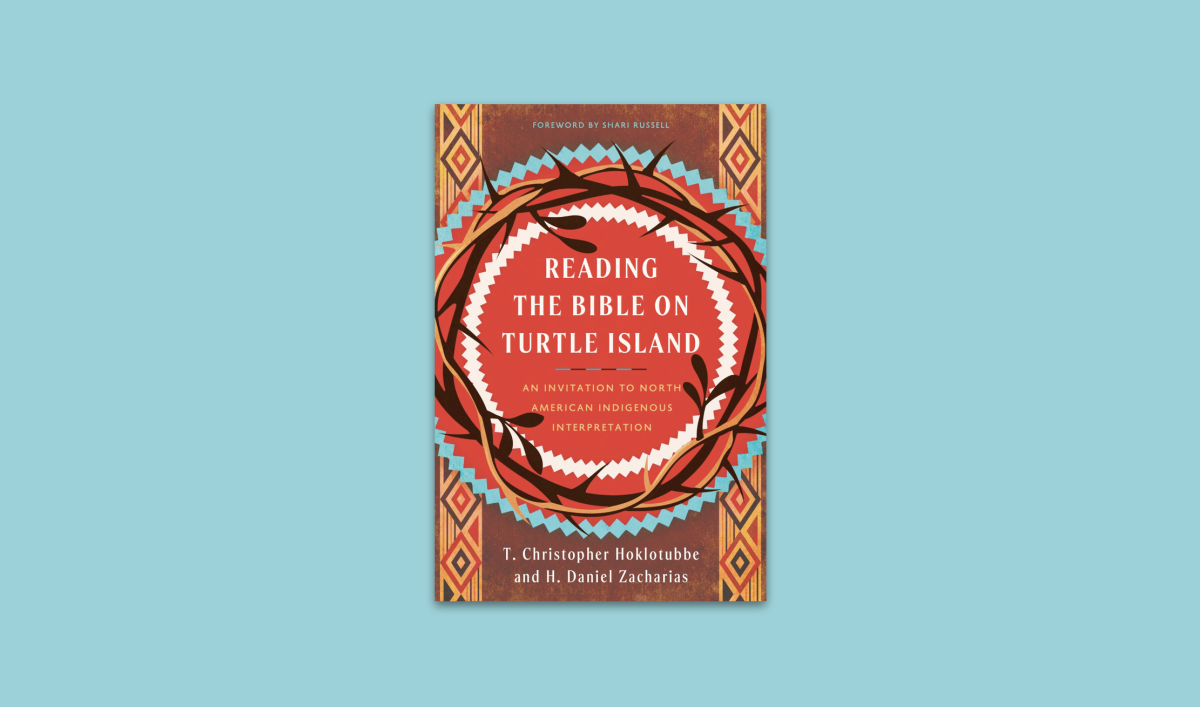
Indigenous scholars Chris Hoklotubbe and Danny Zacharias explore what it means to read the Bible from the lens of Indigenous peoples in North America.
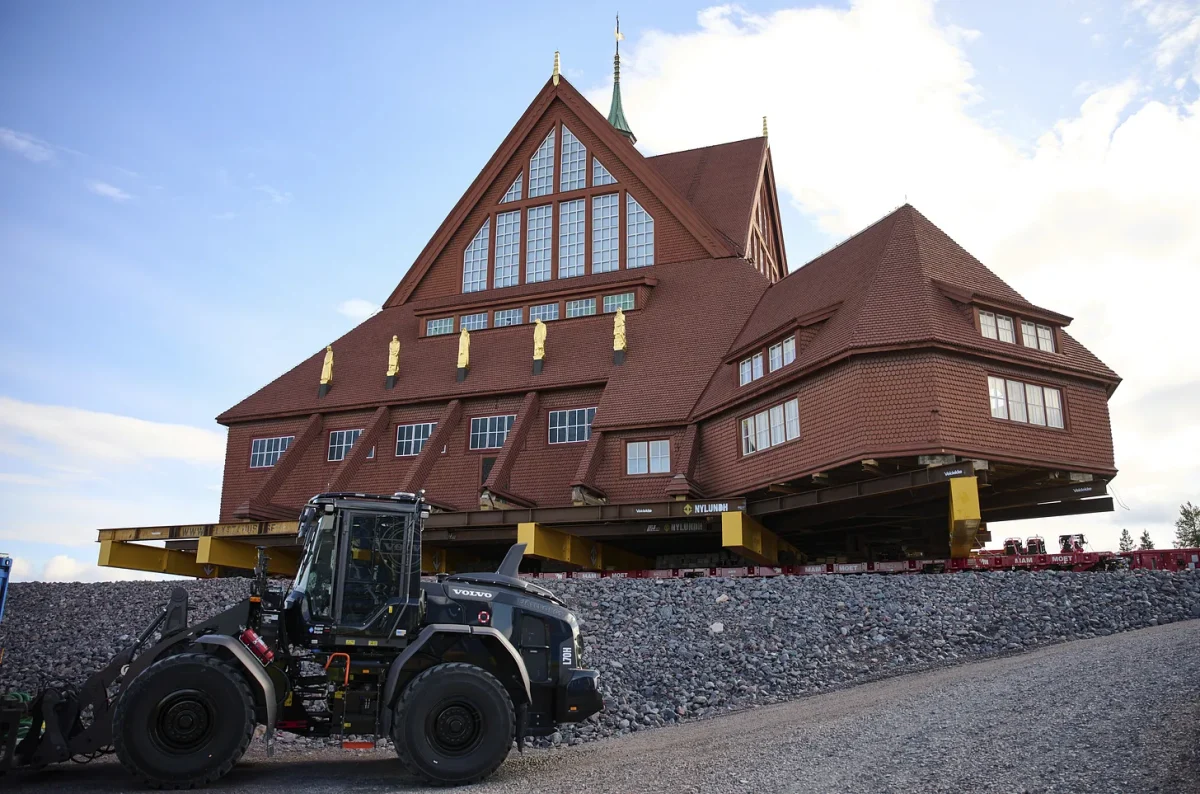
The Lutheran church, called Kiruna Kyrka in Swedish, moved 3.1 miles east on Tuesday and Wednesday as part of Kiruna's relocation because the world’s largest underground iron-ore mine is threatening to swallow the town.
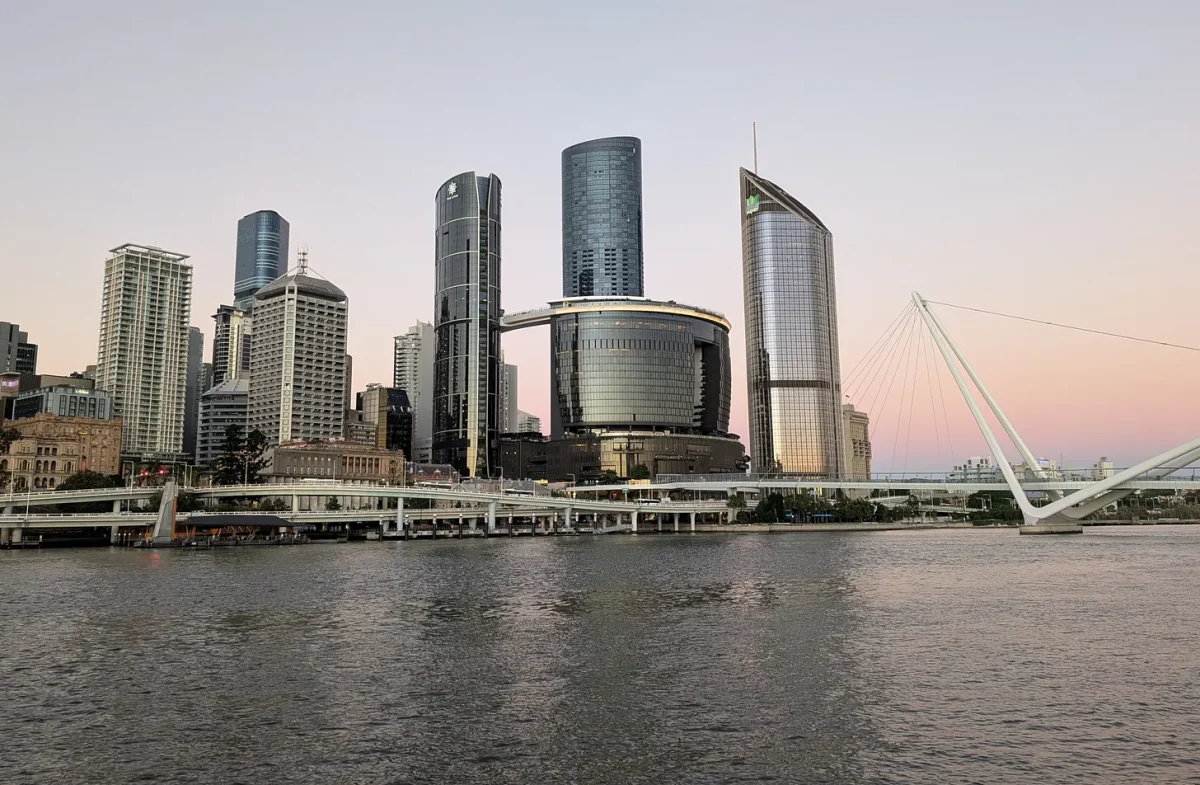
This issue of A Public Witness heads to Australia to offer highlights from the Baptist World Congress, where Christians from 130 nations came to worship, fellowship, dialogue, learn, and strategize together.

In this new book, Thomas A. Tweed offers a sweeping retelling of American religious history that shows how religion has enhanced and hindered human flourishing from the Ice Age to the Information Age.
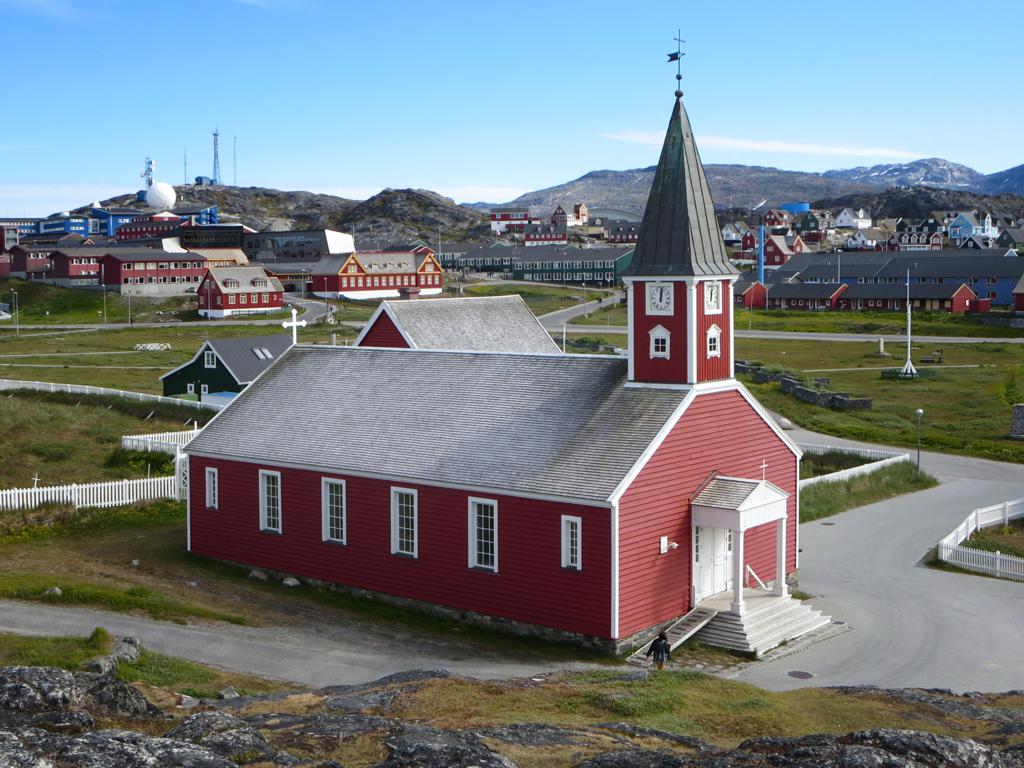
Most Greenlanders are proudly Inuit, having survived and thrived in one of the most remote and climatically inhospitable places on Earth. And they’re Lutheran.
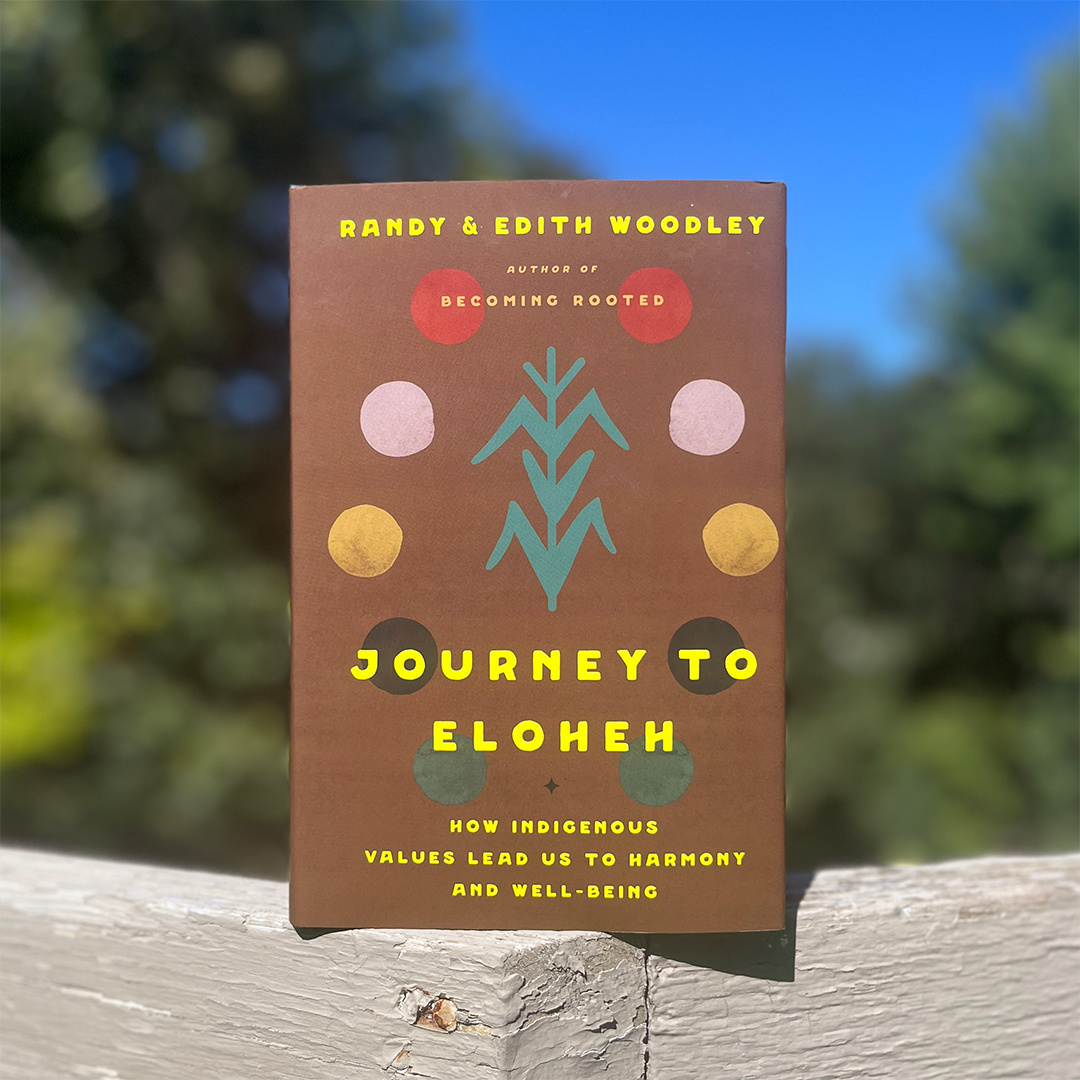
In “Journey to Eloheh: How Indigenous Values Lead Us to Harmony and Well-Being,” Randy and Edith Woodley help readers learn lifeways that lead to true wholeness and justice.