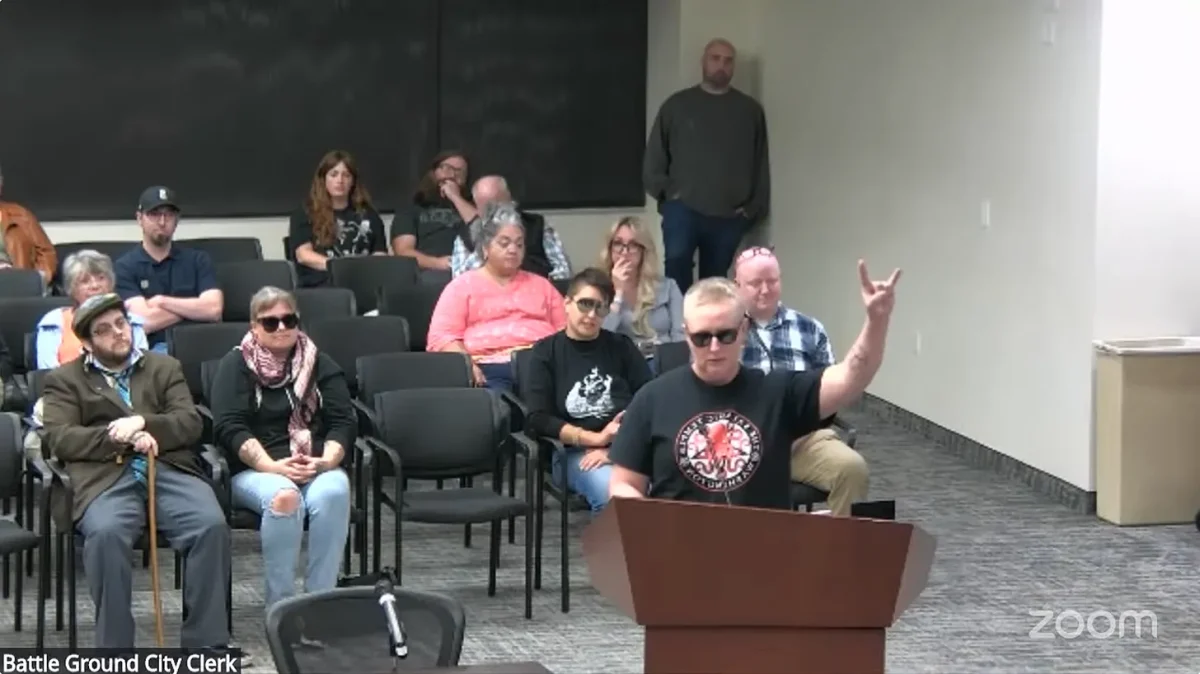
Christian Nationalism Backfires With Satanic City Council Prayers
This issue of A Public Witness pulls back the curtain to explore self-defeating efforts from the religious right in Washington and Iowa.

This issue of A Public Witness pulls back the curtain to explore self-defeating efforts from the religious right in Washington and Iowa.
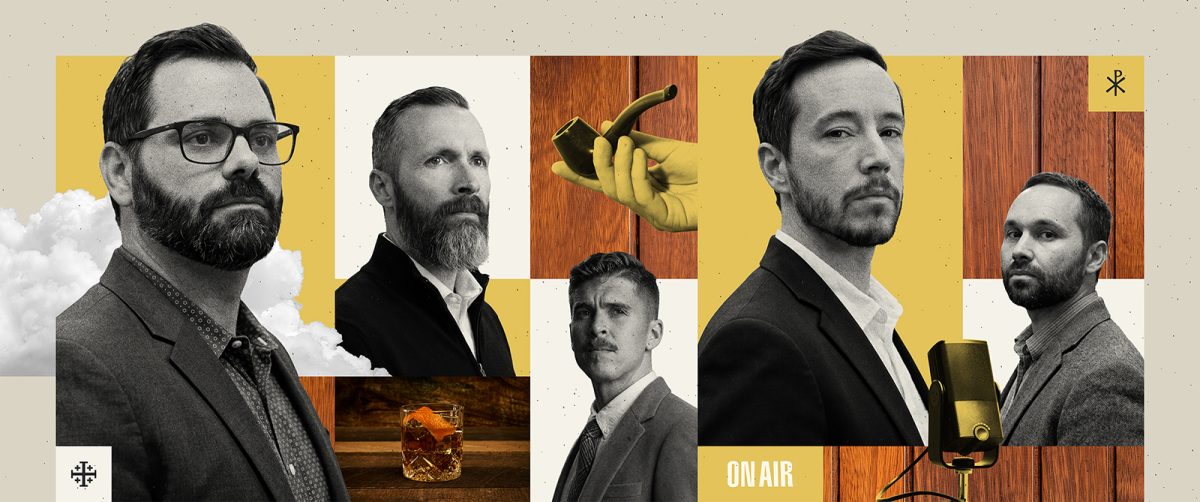
A group of Reformed pastors and influencers has wedded old-school segregationist theology with the hypermasculinity of the manosphere and the savvy of the attention economy to preach and sell White supremacy, antisemitism, and patriarchy to angry young men. Its audience is small but growing, and
Bradley Onishi’s new book details the rise of a class of ruling elites who seek to use religion and technology to replace democracy with authoritarian rule.
Wesley Welch of King’s Church DC delivered the sermon, becoming the ninth Southern Baptist pastor to preach out of 17 total services.
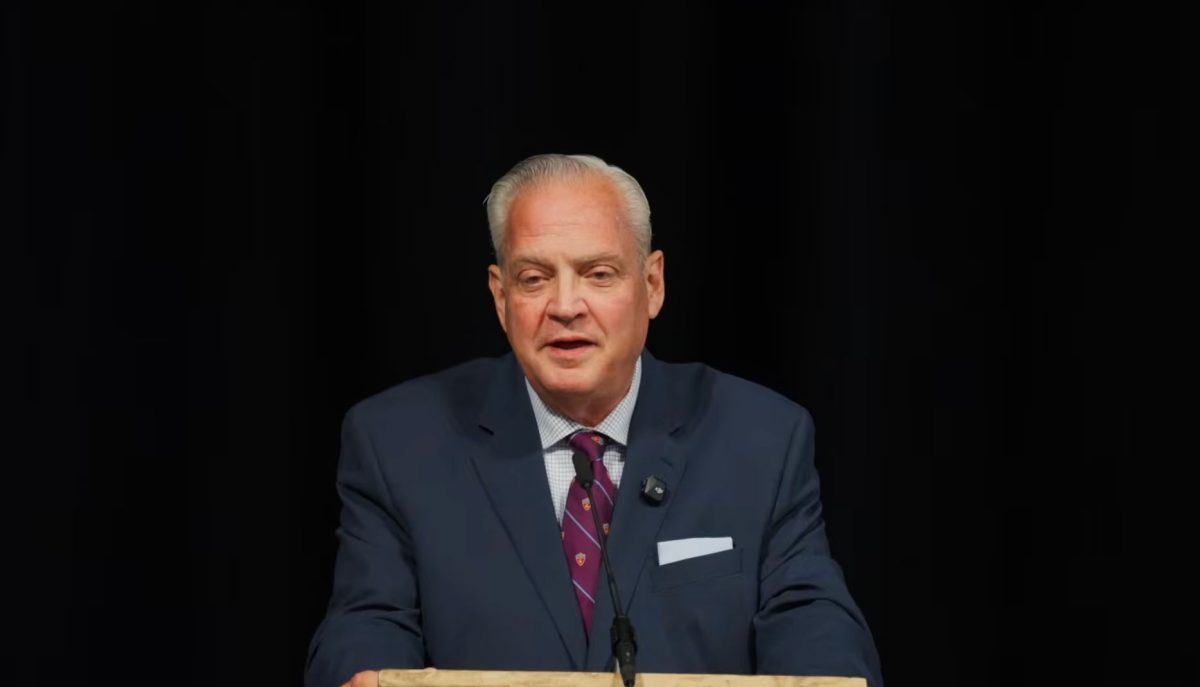
The longtime president of Southern Baptist Theological Seminary said he erred in saying the government should be able to punish those who don’t believe God was part of America’s founding.
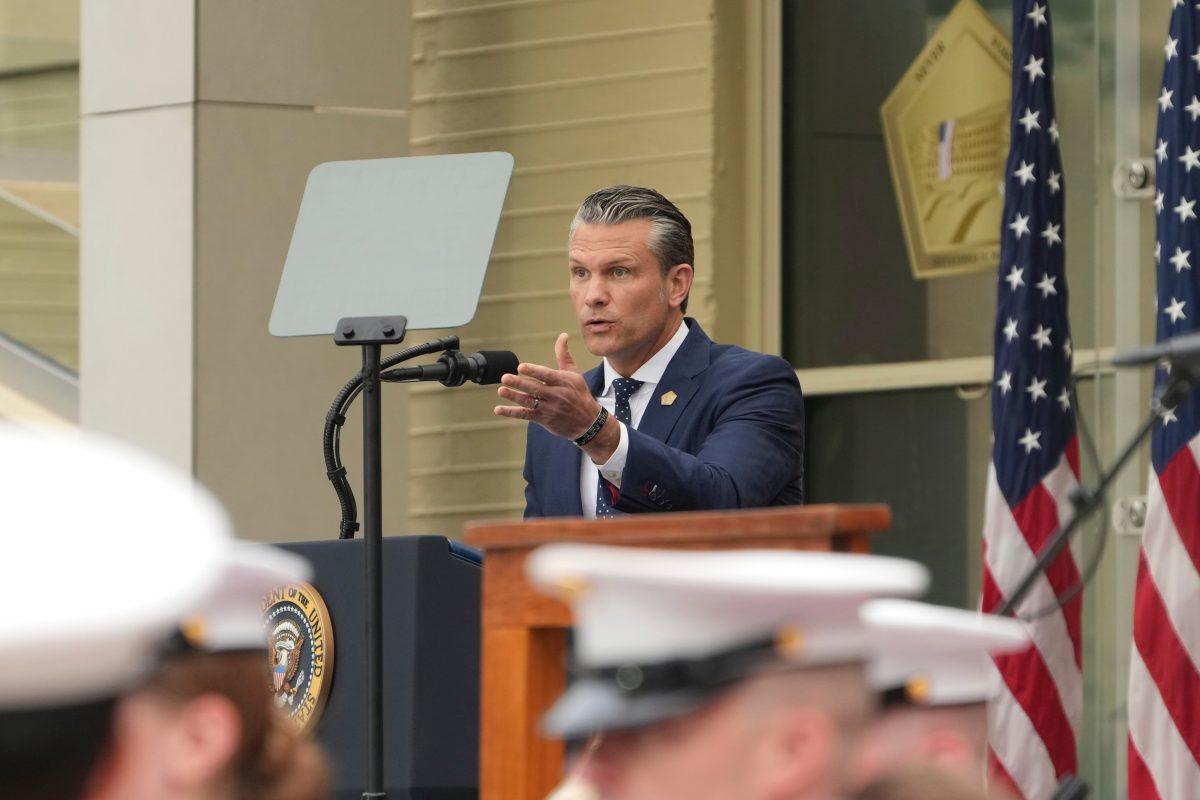
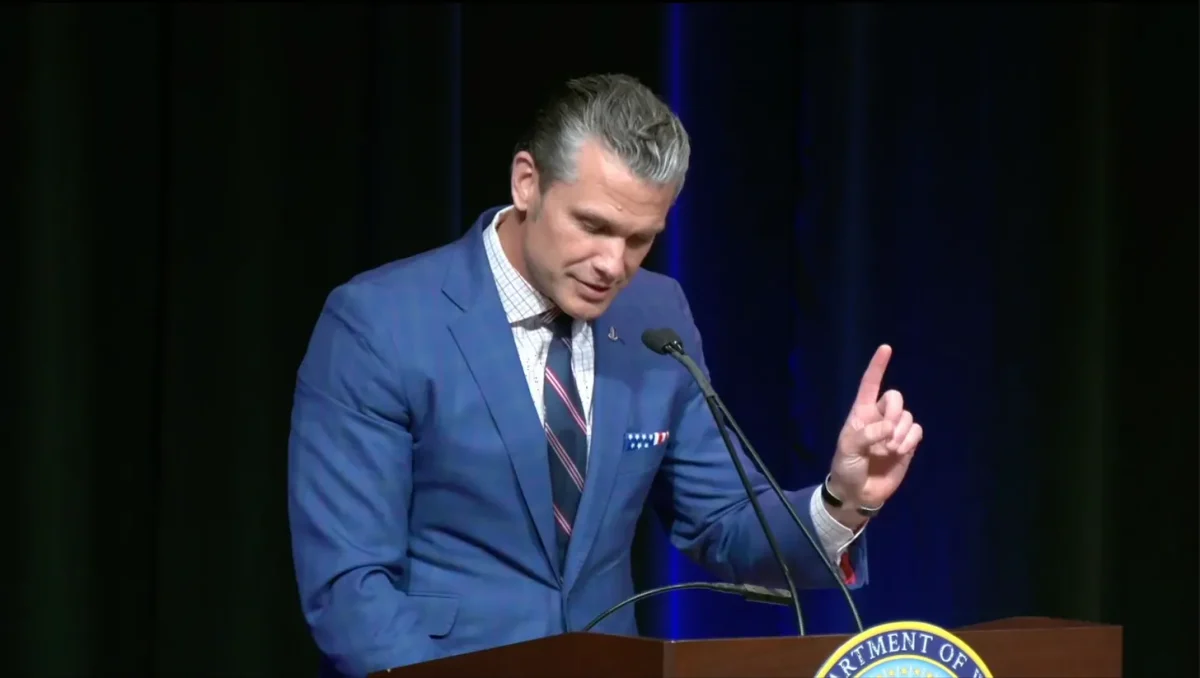
The head of the U.S. military — who has Crusader imagery tattooed on his body and the cover of his Bible — spent the anniversary promising divine violence.

This issue of A Public Witness takes you through some of the highlights (or, uh, lowlights) of faith appeals at President Donald Trump’s ‘midterm convention.’
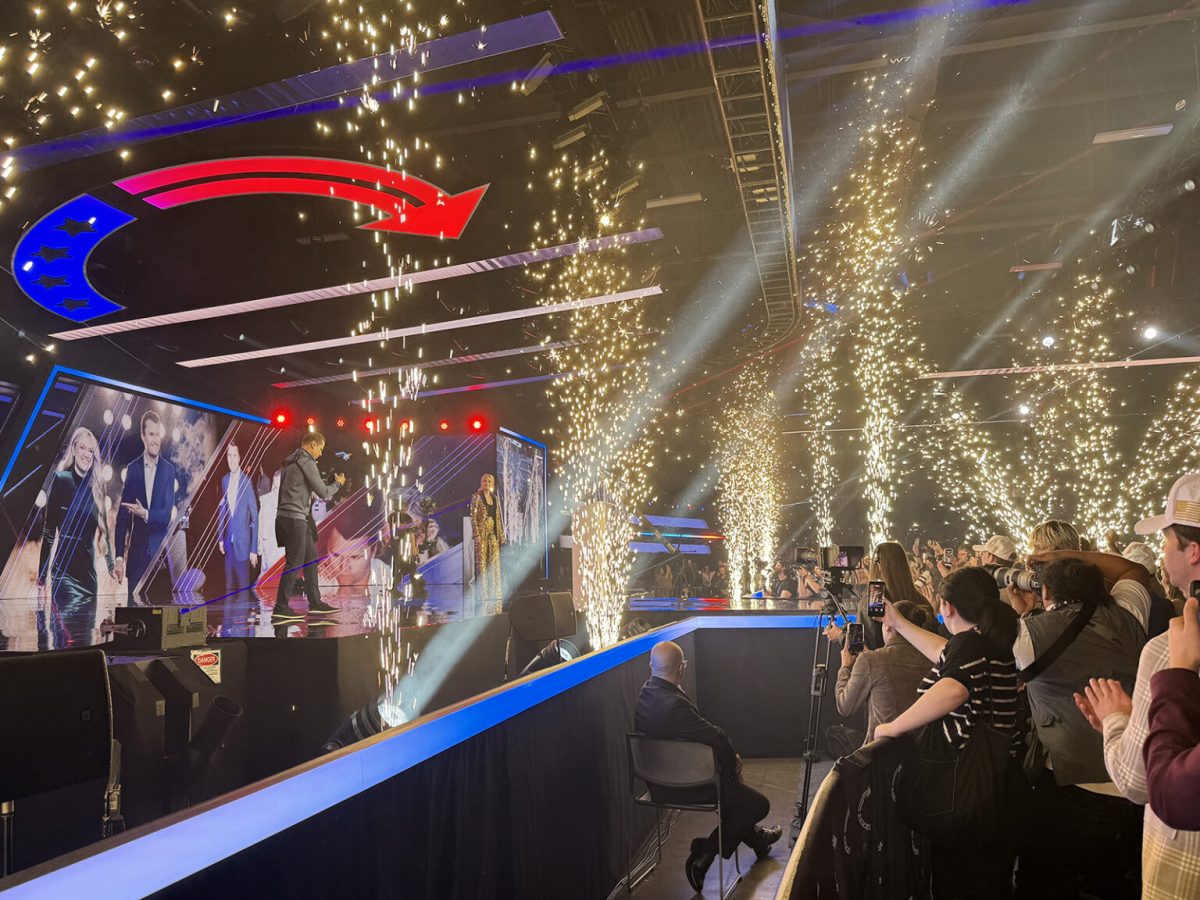
Religious language wasn’t always a mainstay of Turning Point. When Charlie Kirk first founded the organization in 2012, it focused on fiscal responsibility, free markets, and limited government.

This issue of A Public Witness takes you inside a recent conference that celebrated America’s heritage of religious freedom, with a special Seventh-day Adventist flavor.
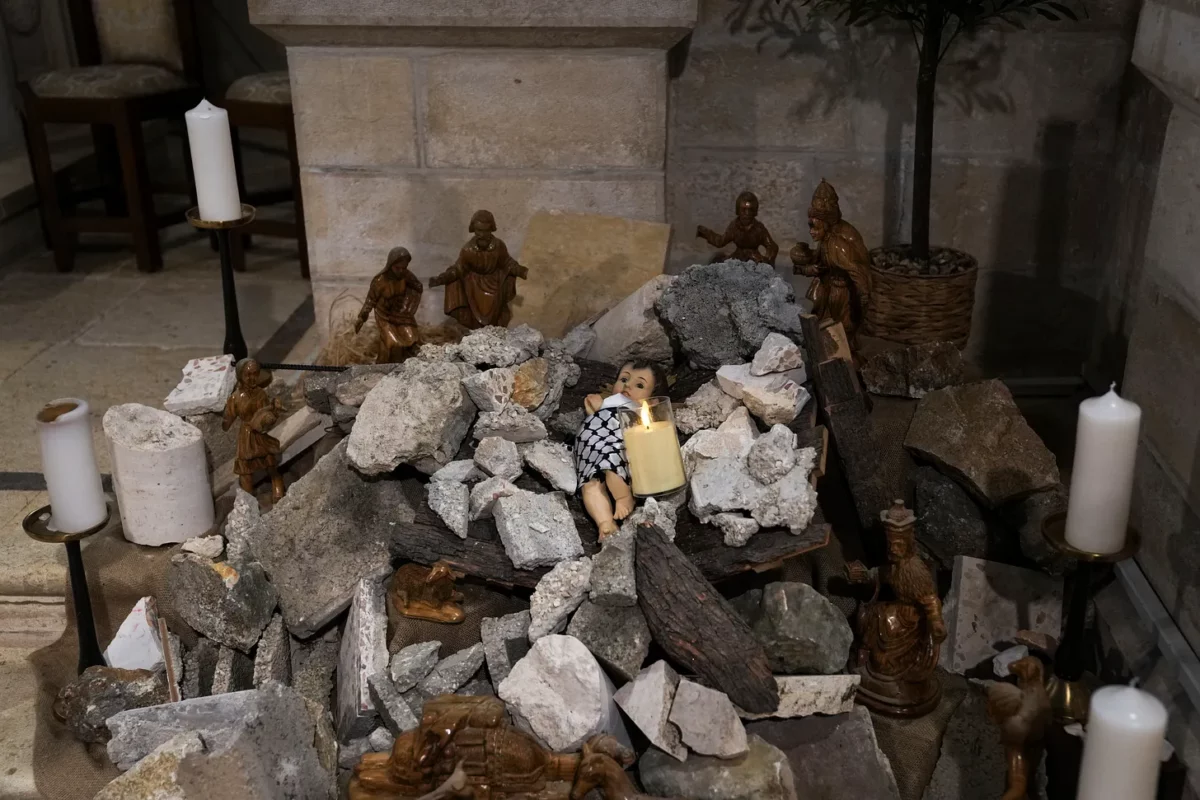
Real solidarity with the Palestinian church asks us to choose between institutional comfort and the kind of justice the gospel actually demands, the disruptive kind, the kind that costs something — as the Church of England recently discovered.