Join us as we celebrate five years of our ‘A Public Witness’ newsletter and highlight the best from the 115 pieces we’ve published over the past 12 months exploring the intersection of faith, culture, and politics.
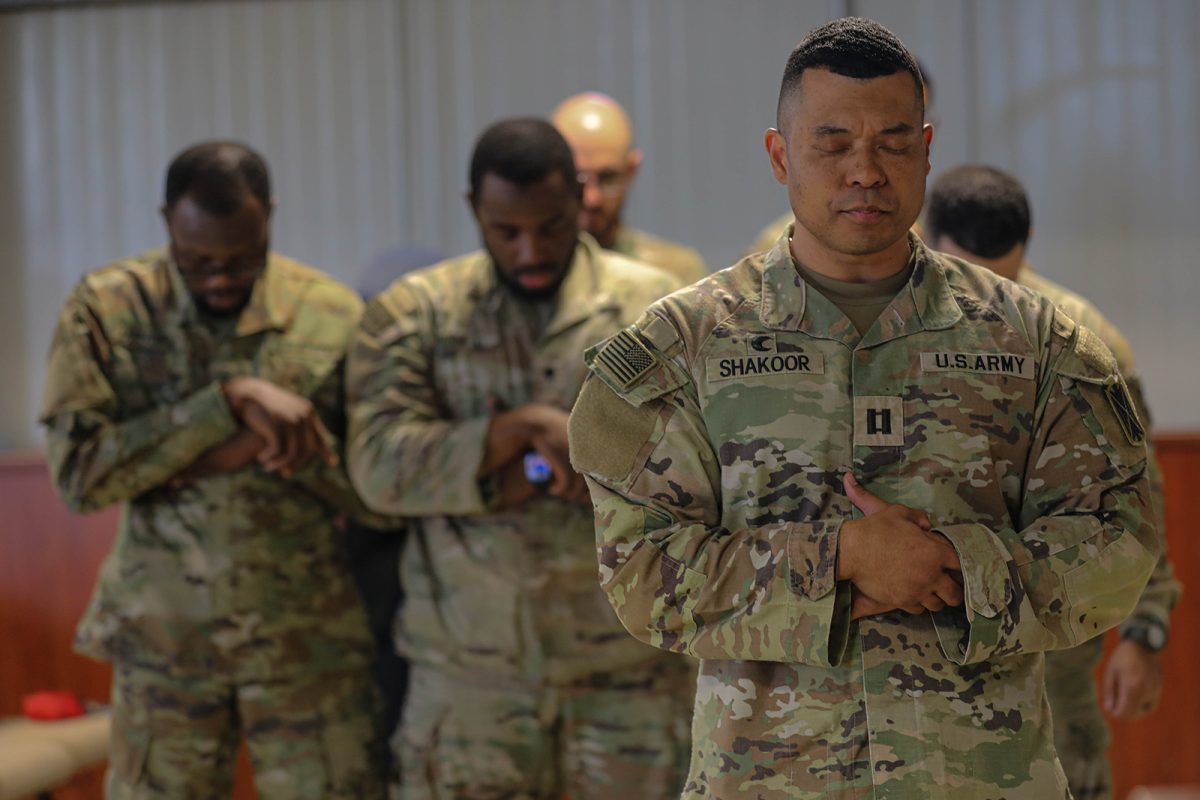
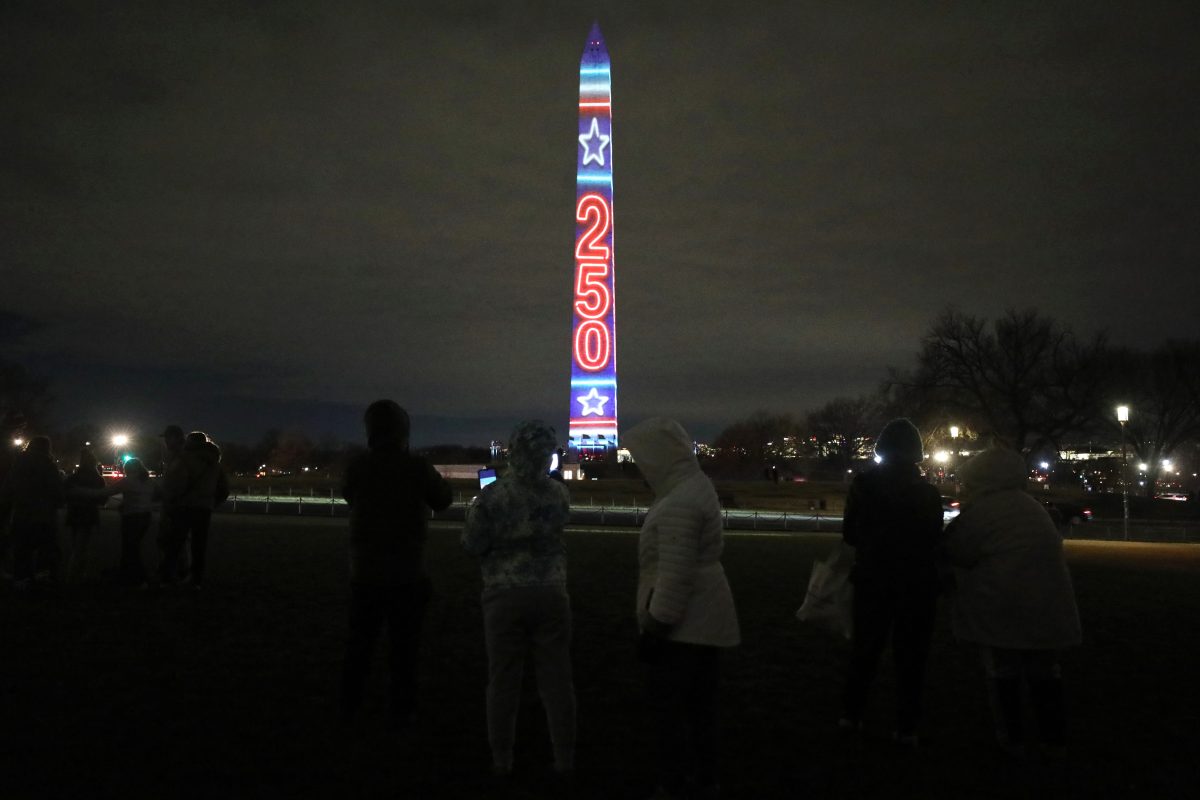
Notably absent from the lineup are representatives from other non-Christian faiths, such as Islam or Indigenous spiritual traditions, or leaders from mainline Christian or historically Black denominations.
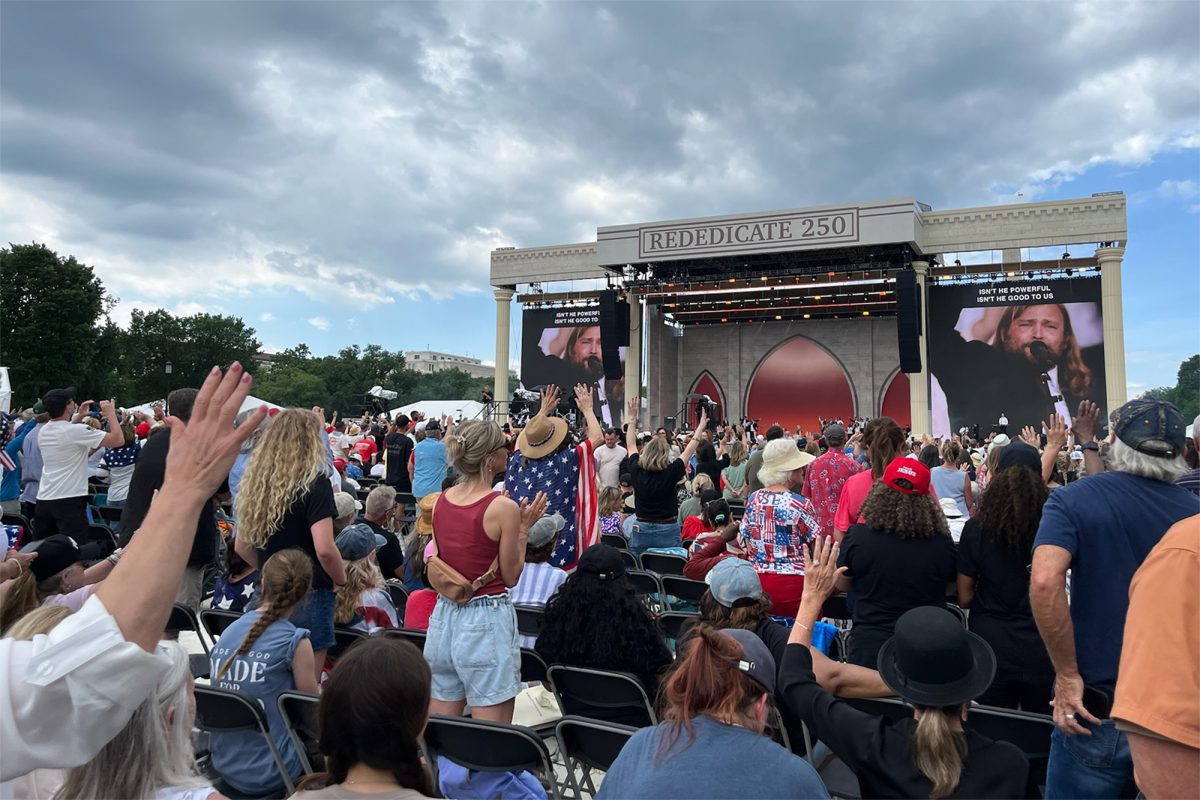
‘If they wanted this to be a unifying American project, there would have been a whole lot more attention to getting political diversity and ideological diversity,’ added Brian Kaylor of Word&Way.
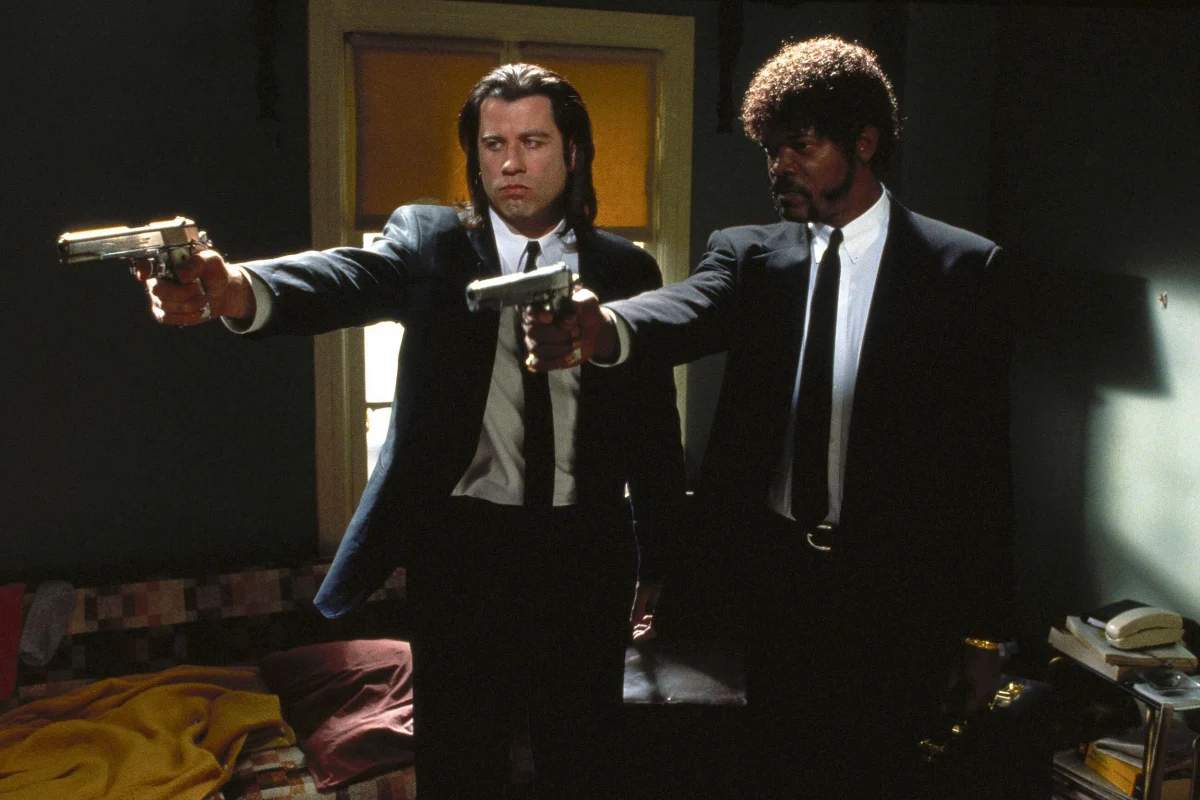
The story about Defense Secretary Pete Hegseth reading a prayer based on a scene in a Quentin Tarantino film really did go viral in the U.S. and elsewhere. And it all started with our newsletter A Public Witness.
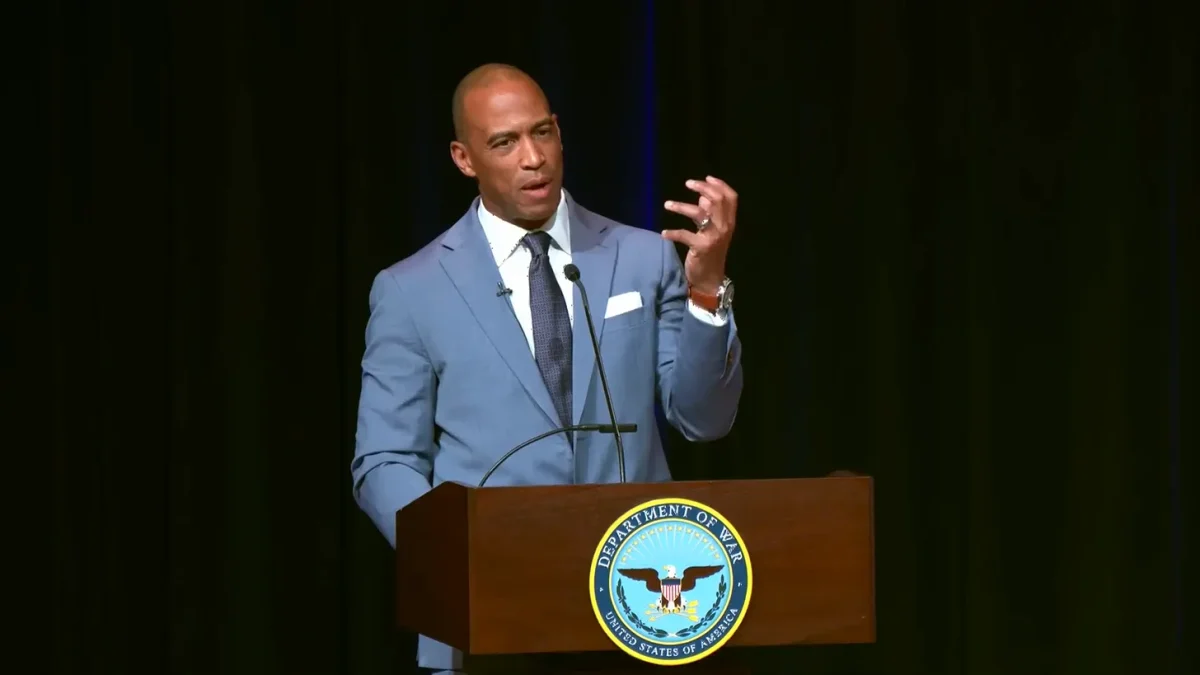
Pete Hegseth, who likes to call himself ‘secretary of war,’ read a prayer during the latest government worship service that echoes a scene written by Quentin Tarantino calling for ‘great vengeance and furious anger.’
Trump delivered an extraordinary online attack against Leo on Sunday night after the first U.S.-born pope suggested that a ‘delusion of omnipotence’ is fueling the U.S.-Israel war in Iran.
‘Our nation must be careful not to allow partisan agendas to undermine institutions built on merit, sacrifice, and service,’ said the president of the historically Black National Baptist Convention U.S.A. Inc.
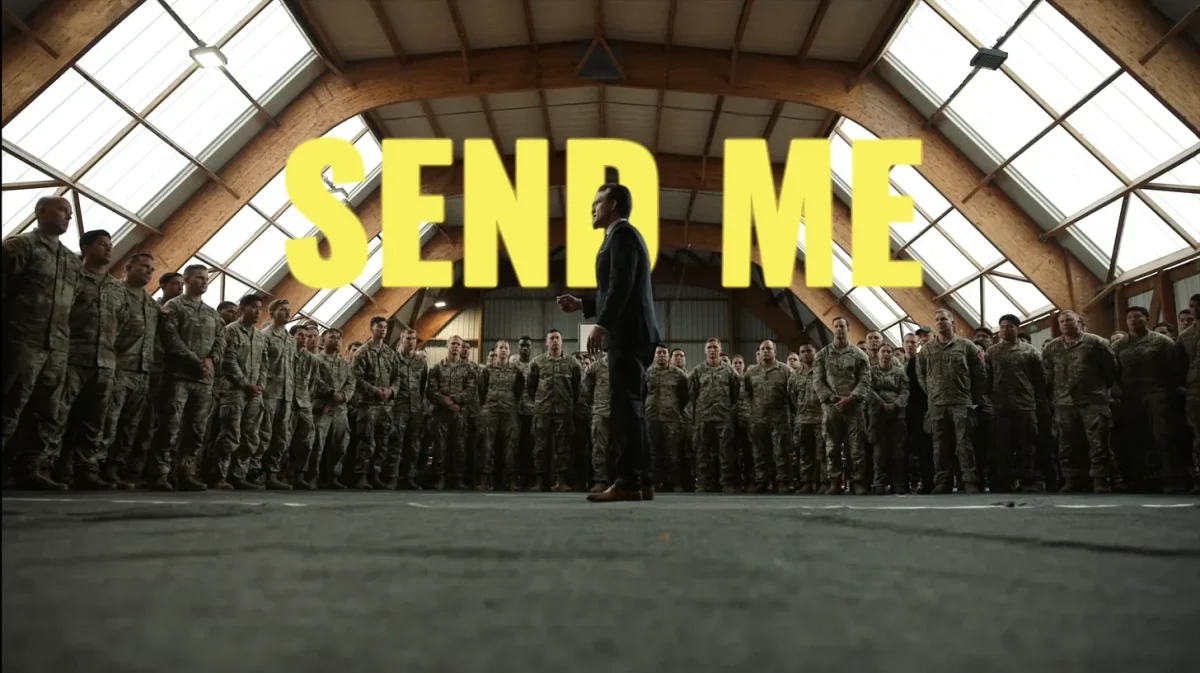
The increase in faith-fueled militaristic rhetoric is pitting the president against a growing list of faith leaders, ranging from local clergy to the pope.
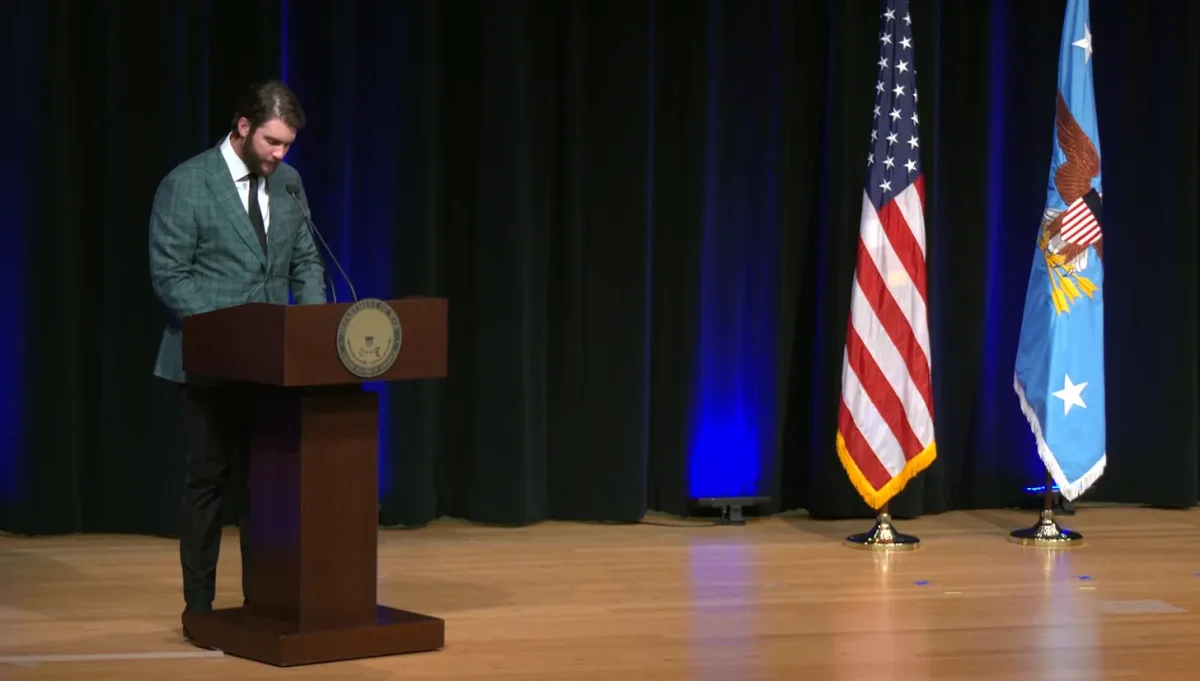
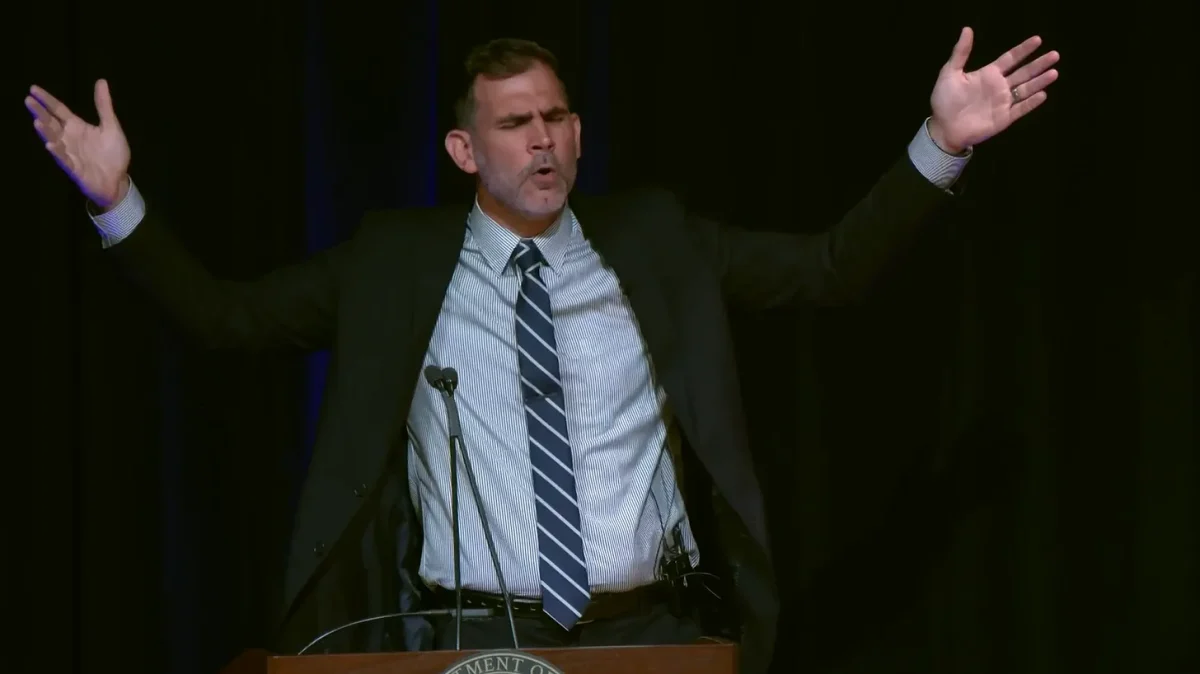
Rev. Caleb Morell, a Southern Baptist, offered an evangelistic message about the resurrection of Jesus that stopped just short of a formal altar call as he urged government workers to follow Jesus.
This issue of A Public Witness considers how the military chaplain who authored a war prayer and the secretary of defense who appropriated it for himself performed violence against Scripture to justify violence against people.