(RNS) — Just three weeks ago, the U.S. State Department announced it had a plan to provide health and humanitarian assistance around the world through a pledge of $2 billion to faith-based and community organizations.
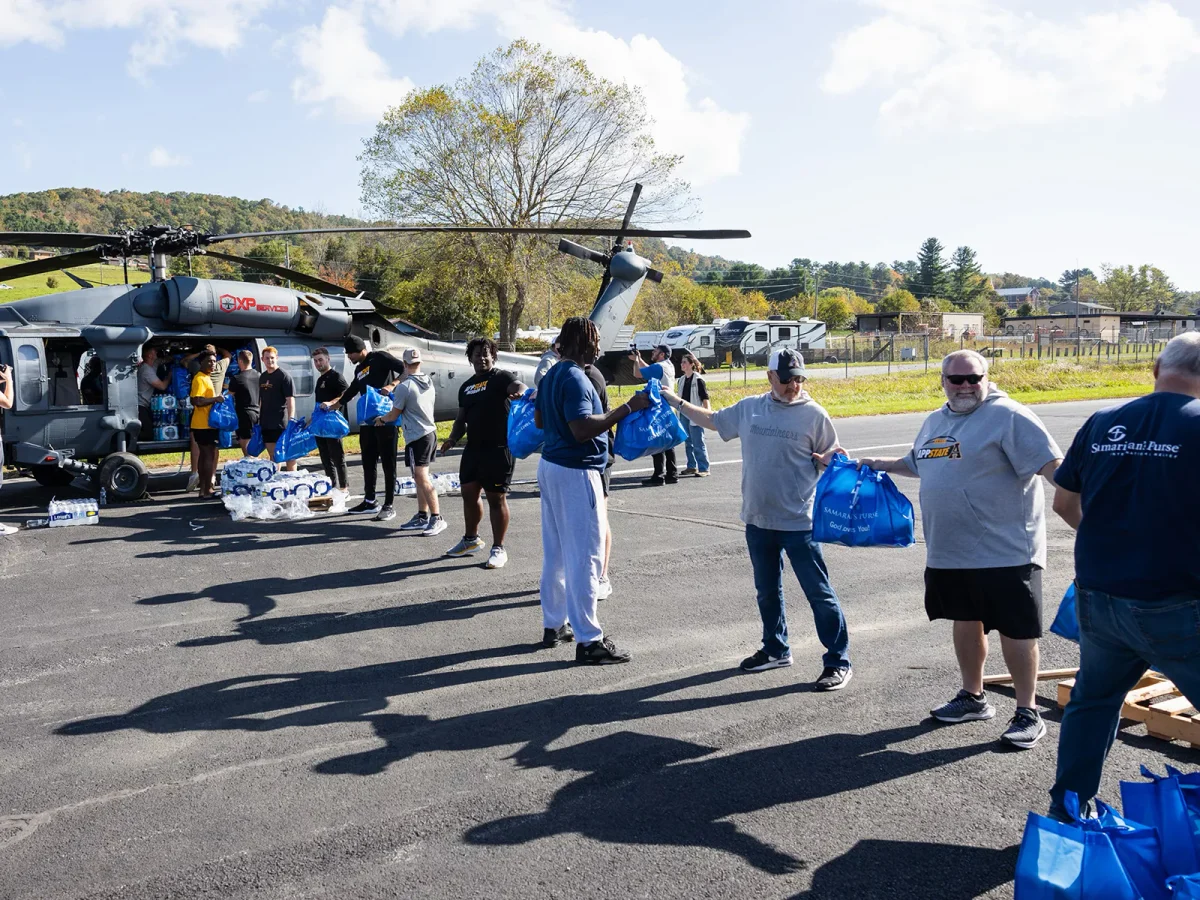
A helicopter is loaded with Samaritan’s Purse relief supplies for western North Carolina following Hurricane Helene’s destruction in early Oct. 2024. (Photo courtesy of Samaritan’s Purse)
But now those plans have hit a snag.
Late last week, Samaritan’s Purse, the Christian humanitarian relief organization that was supposed to receive $300 million as part of the State Department grant, turned down the money, saying it will rely on God and its private donors instead.
“While we deeply appreciate the confidence that the State Department has placed in Samaritan’s Purse, after prayer and discussion, we have withdrawn from being a recipient of these funds,” Franklin Graham, president and CEO of Samaritan’s Purse, said in a statement Aug. 28.
Graham, one of President Trump’s most stalwart evangelical allies, did not offer any other reasons for rejecting the federal funds, which would have included “immediate life-saving assistance to people affected by natural disasters” and support for relief efforts in long-running emergencies. Graham noted that Samaritan’s Purse will continue to be available to partner with the U.S. government in the future — but not this time.
The State Department funding was part of a tranche of money, some for healthcare in 20 different countries and some for humanitarian relief following natural disasters.
Both pots of money were intended to realign foreign funding after the U.S. Agency for International Development (USAID) was defunded last year.
President Trump, on the day of his inauguration, issued an executive order freezing foreign aid and development work. His administration then moved to shut down the 60-year-old USAID and fire thousands of workers.
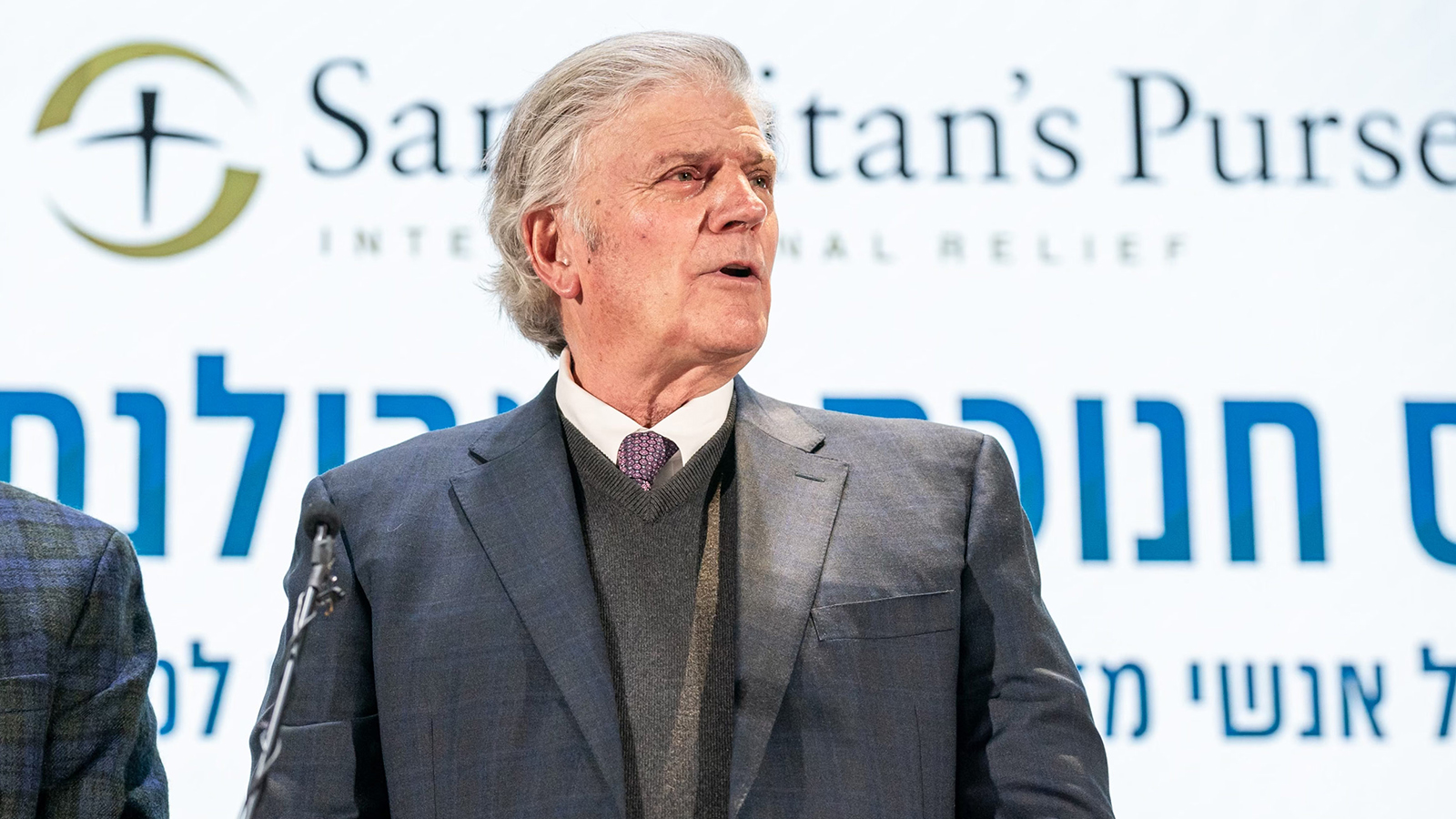
Franklin Graham speaks in Israel on Jan. 23, 2024. (Photo courtesy of Samaritan’s Purse)
More than a year and a half later, the administration’s new approach appeared to be to partner with a select group of Christian charities and faith-based hospitals working in suffering countries around the world.
The humanitarian relief component included $538 million in aid to be administered by a consortium of Christian groups: World Vision, along with Accord Network, Compassion International and Samaritan’s Purse.
A spokesperson for the State Department said it was aware that Samaritan’s Purse had turned down the grant but suggested the government’s approach of working with Christian relief organizations, including Samaritan’s Purse, would continue.
“Faith based organizations play a key role in global disaster response and we look forward to continuing our productive and collaborative relationship with this important faith-based organization,” the spokesperson said in an email.
The spokesperson did not say how the money might be reallocated.
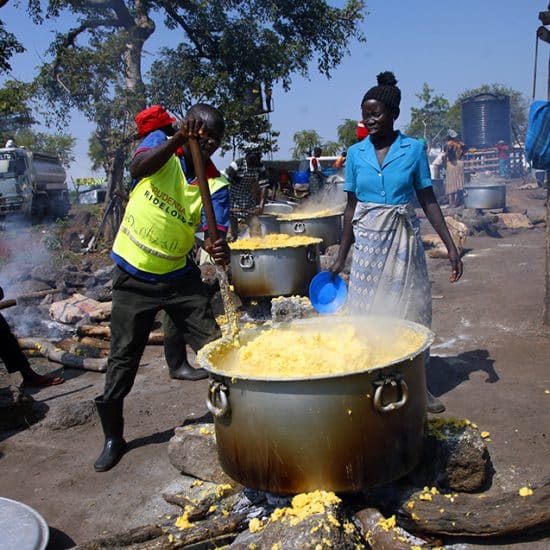
Samaritan’s Purse provides food, water, sanitation, medical care and emergency shelter in response to disasters around the world. It has disaster-relief specialists on the ground in Nepal following devastating flash flooding last week. It opened an emergency field hospital in Venezuela following the earthquake and an Ebola Treatment Center in the Democratic Republic of the Congo following an outbreak of the deadly virus.
In the past, the Boone, North Carolina-based operation has taken relatively little government funding for its programs, preferring donor support to government assistance. From 2020 to 2024, according to IRS financial disclosures, the nonprofit received $296 million in government funding grants, or less than 5% of its budget, which averages more than $1 billion a year.
By contrast, World Vision, another billion-dollar Christian humanitarian group, received more than $2.2 billion in government grants, or about 30% of its budget during a similar time frame.
World Vision said its State Department funding of $238 million for disaster relief was separate from Samaritan’s Purse’s pot.
While faith-based organizations have contracted with the government to deliver aid before, what’s new is that the government is selectively choosing them now.
“There was no request for proposals, which is something that was completely standard practice at USAID,” said Mark Hetfield, a fellow at the Institute for the Study of International Migration at the Georgetown University School of Foreign Service. “The change really is that there used to be a process to it. Non-governmental organizations were selected based on their competencies and their expertise, not based on their ideology or their political relationship with the government.”