Shortly after the Blue Wave Tsunami hit on Election Night last week — powered in part by mainline Protestant clergy and seminarians flipping seats to Democratic control — a new talking point emerged among some rightwing commentators. They started complaining that no one would be talking about Christian Nationalism as clergy entered Congress as Democrats.
“There will now be two megachurch pastors in the Senate, but they’re both Democrats so there will be zero thinkpieces about a threat to separation of church and state or the rise or Christian Nationalism,” claimed Dominic Pino, a former National Review columnist who joined The Washington Post last year as Jeff Bezos pushed the publication rightward, on Elon Musk’s X platform.
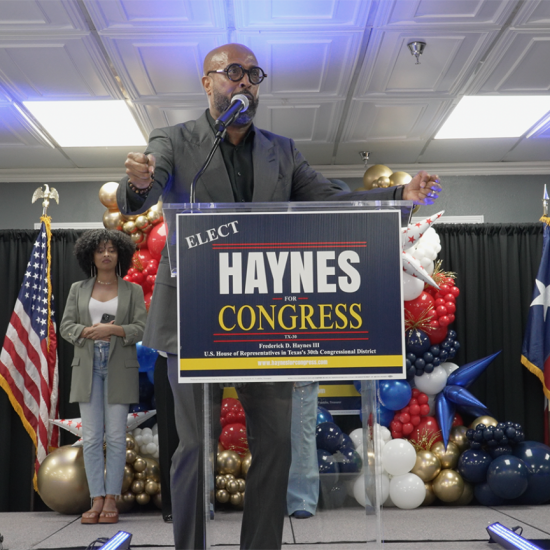
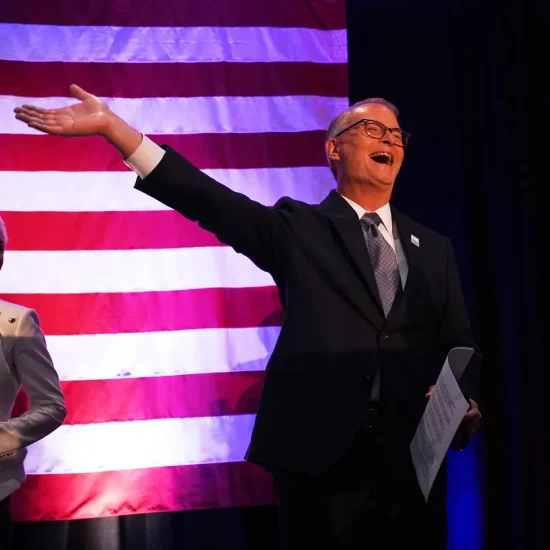
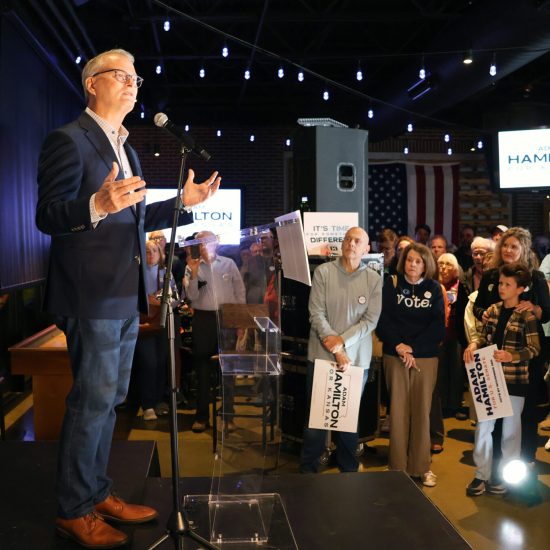
Others chimed in to offer support for Pino’s claim about the election of Rev. Adam Hamilton to the U.S. Senate in Kansas and Rev. Freddy Haynes III to the U.S. House in Texas. One who offered his amen was Southern Baptist ethicist Daniel Darling. The head of the Land Center for Cultural Engagement at Southwestern Baptist Theological Seminary in Texas, Darling has long shown he doesn’t understand Christian Nationalism as he’s tried to claim that most Southern Baptists don’t actually push Christian Nationalism despite clear data showing otherwise. He shared Pino’s claim on X, adding, “This is undoubtedly true.”
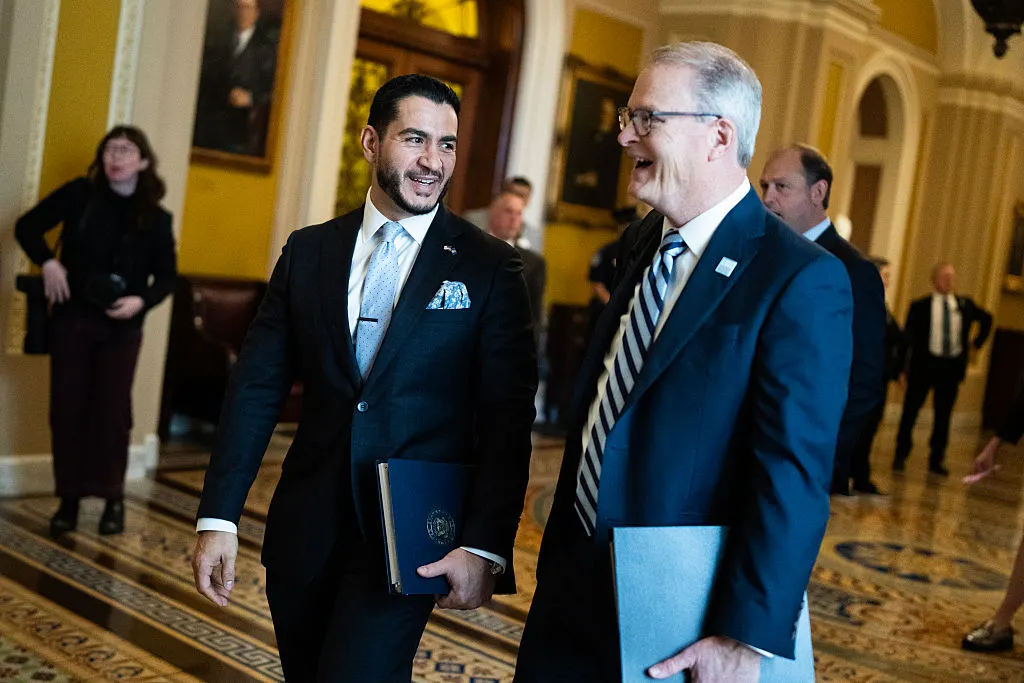
Another Southern Baptist educator, Thomas Kidd of Midwestern Baptist Theological Seminary in Missouri, mentioned Hamilton, U.S. Senator Raphael Warnock in Georgia, and incoming Sen. James Talarico in Texas before adding in a post on X, “We have Talarico, Hamilton, and Warnock in the Senate, but the left conveniently seems to have forgotten to freak out about ‘Christian Nationalism.’” Similarly, Southern Baptist pastor Michael Clary, author of Loser Theology: Why the Weak Will Not Inherit the Earth, complained on X about the treatment of Talarico: “As much as he mixes religion and politics, no one calls him a Christian Nationalist.”
These individuals and others show they do not understand what Christian Nationalism actually is — or they’re deliberately misrepresenting it with Orwellian doublespeak to insincerely criticize those they disagree with politically. It is wrong to conflate any Christian in public with a Christian Nationalist, whether that politician or activist is on the right or the left. And despite the protestations by these rightwing voices, there have in fact been times when scholars, journalists, and theologians critiqued various Democrats for pushing Christian Nationalism. There’s even a whole book on how mainline Protestants (including many Democrats) helped build Christian Nationalism long before rightwing evangelicals led the movement!
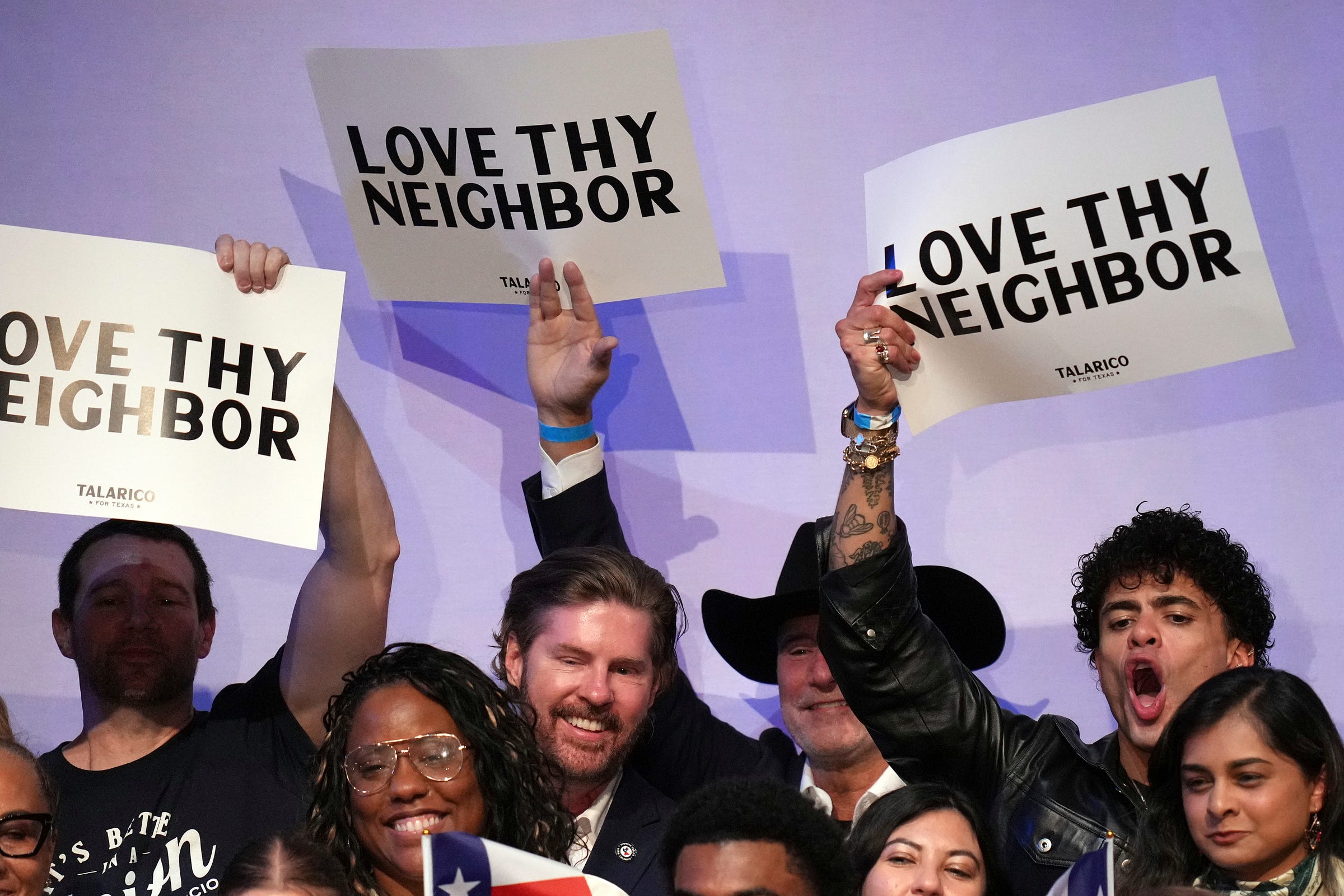
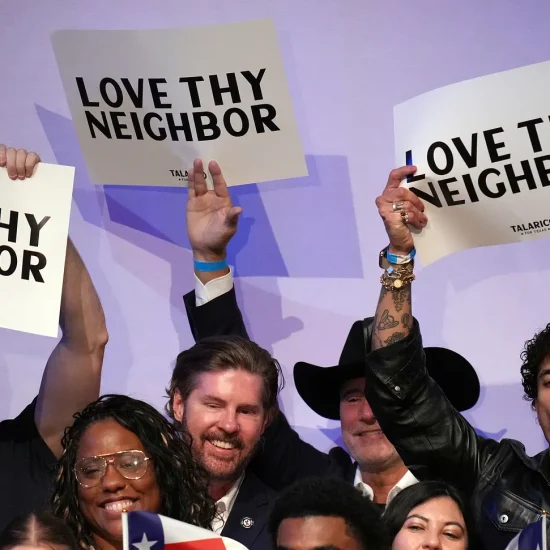
Supporters carry signs before Sen.-elect James Talarico arrived to speak at an election night event in Austin, Texas, on Nov. 3, 2026. (Eric Gay/Associated Press)
Given the false claims about Christian Nationalism as a new crop of mainline Protestant clergy head to Washington, D.C., this issue of A Public Witness explores what differentiates a Christian in politics from a Christian Nationalist. Hint: it’s not party or religious affiliation but how one reads the U.S. Constitution.
God Blessed Texas
Perhaps no state offers a starker difference between Christian Nationalism and an alternative way of being a Christian in public life than Texas. The Lone Star State has been a leading incubator of Christian Nationalist ideas, which often inspired state lawmakers in other states to follow. But last week’s midterm elections, which saw Democrats capture every statewide office on the ballot, resulted in what Texas Monthly reporter Robert Downen called “a generational setback for a Christian Nationalist movement that just a few months prior was jubilantly celebrating its new influence over the White House and the nation.”

The rest of this piece is only available to paid subscribers of the Word&Way newsletter A Public Witness. Subscribe today to read this essay and all previous issues and receive future ones in your inbox.