(RNS) — President Donald Trump has nominated Cissie Graham Lynch, the granddaughter and daughter of evangelists Billy and Franklin Graham, respectively, to serve as the next U.S. ambassador at large for international religious freedom.
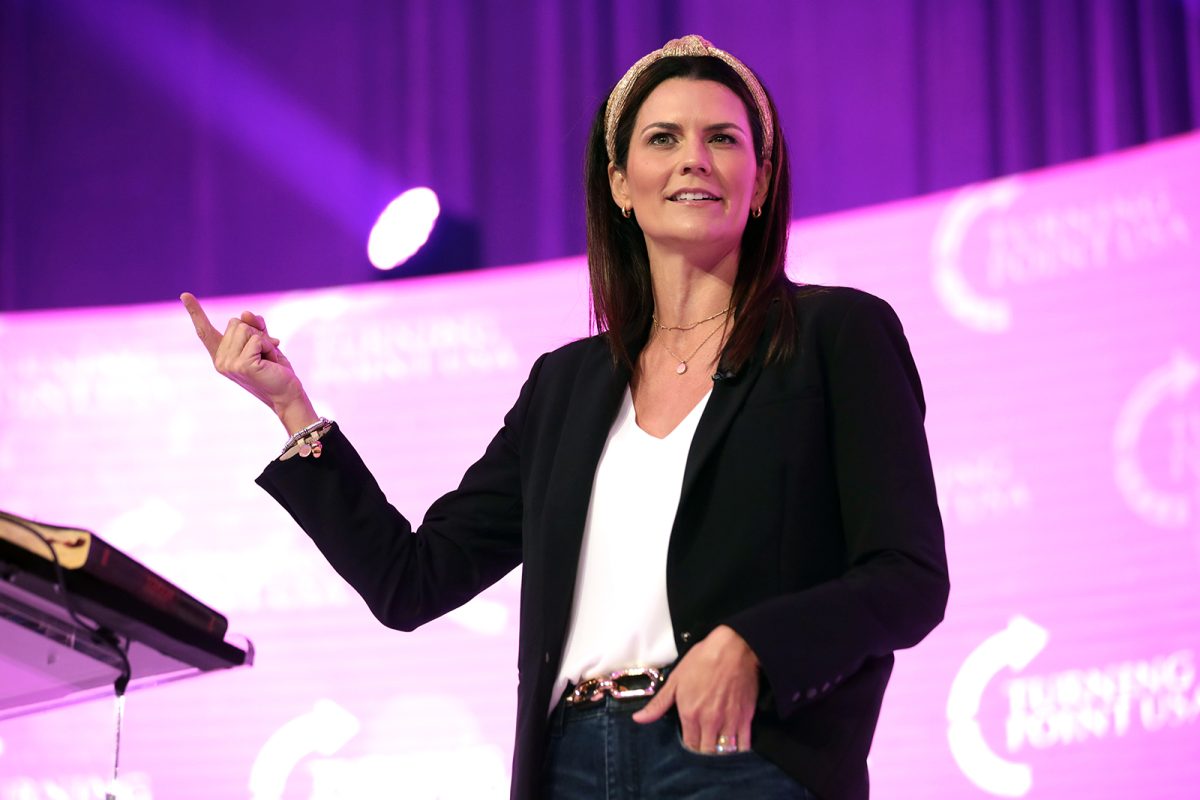
Cissie Graham Lynch speaks at the 2021 Young Women’s Leadership Summit hosted by Turning Point USA at the Gaylord Texan Resort & Convention Center in Grapevine, Texas. (Photo by Gage Skidmore/Wikimedia/Creative Commons)
“I would consider it a great honor and privilege to do so,” Lynch said on X on a Tuesday (Sept. 15). “If confirmed by the Senate, please pray that I would serve with excellence and make the most of every opportunity to protect our most precious and fundamental right — and one that far too many people around the world still live without — freedom of religion.”
Lynch, who works as a spokesperson and a senior adviser for the Billy Graham Evangelistic Association and the humanitarian aid group Samaritan’s Purse — both led by Franklin Graham — served among evangelical leaders on Trump’s first-term Faith Advisory Council.
Her nomination, announced by the White House on Monday, was hailed by the conservative Family Research Council.
“This is an excellent nomination by President Trump, and we look forward to seeing all that she will do to promote religious freedom around the world and speak up on behalf of the persecuted,” it said on X.
However, the Freedom from Religion Foundation Action Fund, an advocacy group for the separation of church and state, questioned Lynch’s ability to support a range of religious perspectives around the world. The group pointed to a 2017 commentary posted on Lynch’s website defending Trump’s first-term ban on travel to the United States from seven Muslim-majority countries.
“Someone who has warned that Muslims are ‘infiltrating’ society simply by working, going to school and living alongside other Americans is a troubling choice to serve as our nation’s chief diplomat for religious freedom,” said FFRF president Annie Laurie Gaylor in a statement.
If approved by the Senate, Lynch would hold an office that has been unoccupied since the beginning of the second Trump administration. Rashad Hussain served as the religious freedom ambassador during the Biden administration — the first Muslim to hold the position.
The United States Commission on International Religious Freedom, an independent federal agency that had called for a prompt replacement of the ambassador, welcomed Lynch’s nomination and the president’s selection of three new commissioners.
“President Trump’s announcement is a vital step in advancing the human right of freedom of religion or belief (FoRB) abroad,” said USCIRF chair Asif Mahmood, in a statement. “USCIRF calls for a swift confirmation process for IRF Ambassador-Designate Lynch. Filling these roles demonstrates the ongoing commitment of the United States to international religious freedom as a priority in foreign policy.”
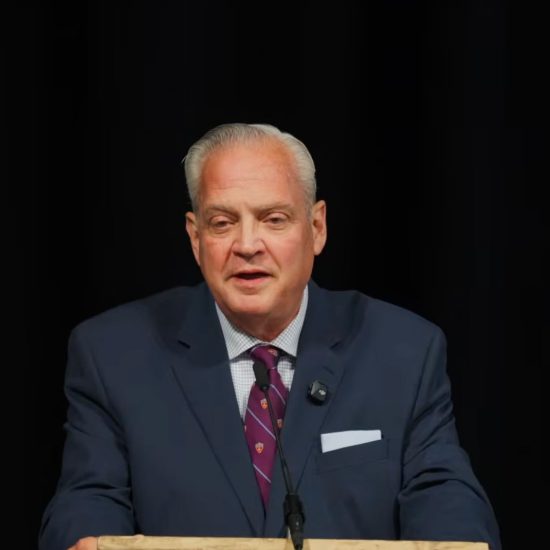
The new commissioners are Catholic Bishop Robert Barron of Winona-Rochester, Minnesota; Andrew Brunson, a former Christian missionary who was detained in Turkey for two years on false charges; and Joe Grogan, a former director of the U.S. Domestic Policy Council who also served as an assistant to Trump during his first administration.
Lynch and the new commissioners all have been involved in religious activities that gained Trump’s support. She and Barron were speakers at the May event on the National Mall when thousands gathered to “rededicate” the country as “one nation under God.” Brunson prayed for the president in the Oval Office shortly after he was freed from detention. And Grogan praised Trump for his support of religious freedom at a 2020 White House event when the president defended school prayer.
The ambassador and the bipartisan commission were established by the International Religious Freedom Act of 1998. In addition to three presidential appointees, three commissioners each are appointed by the leadership of the Senate and the U.S. House of Representatives.